

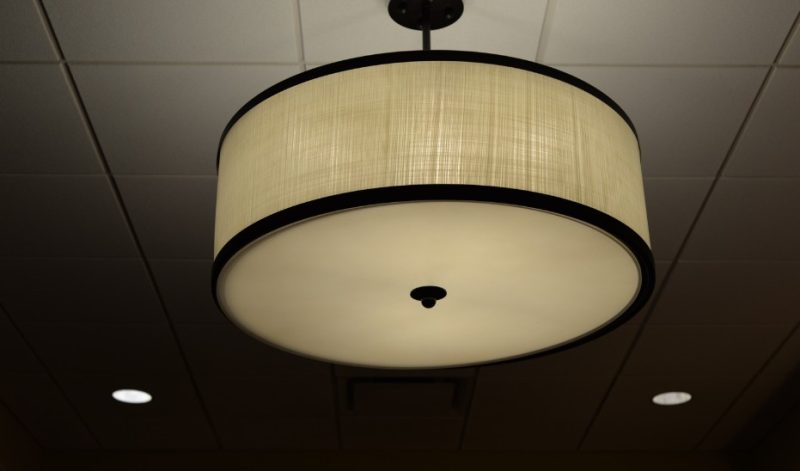
Circular lighting is becoming an important solution to the environmental challenges posed by conventional or old-fashioned lighting systems because it helps with energy conservation and resource management.
We explore some of the environmental and long-term benefits of integrating circular lights into your business.
What Are the Principles of Circular Light Systems?
The traditional approach to lighting has always been production, consumption and disposal, and this has led to the depletion of vital resources and the creation of large amounts of environmental waste.
Circular lighting systems challenge this approach because they introduce a process that prioritises sustainability at every stage in the product’s life cycle. Circular lights also use the principles of the circular economy, which aims to eliminate waste, use resources carefully and recycle components where possible.
In the past, traditional light systems would end up in landfill after only a short period of use, but circular lights are designed to be repairable, to last a long time and be recyclable.
What Are the Environmental Benefits of Circular Lighting Systems?
Resource Management and Material Conservation
Circular lights can be made up of different modules so specific parts can be replaced, rather than having to replace the entire system. This means that they use far fewer raw materials for their construction or repair.
The manufacturer of traditional lighting also relies on extracting virgin materials and this process places a lot of strain on natural resources and generates carbon emissions.
Circular light systems have a different approach because they can be disassembled with ease, and the individual components in the light can be repurposed, recycled or remanufactured.
If you can extend the use of lights and their components and make sure that they can be reused, you minimise the environmental impact of manufacturing new products.
Energy Efficiency and Carbon Reduction
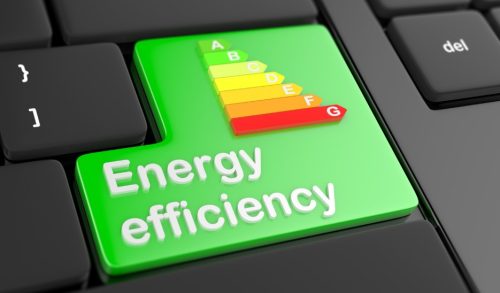
Modern circular light solutions use advanced LED technology which is far more energy efficient when compared to traditional incandescent or fluorescent lamps. They can also work with smart controls that help to optimise energy consumption.
This often includes motion sensors or lighting usage technology that can adjust the levels of light depending on who is using the room or the natural light conditions outside. If you integrate intelligent controls into the circular light system, the lighting can be managed to minimise any unnecessary energy expenditure.
By using the latest smart technology, you can reduce your electricity usage, save money and reduce the greenhouse gas emissions that are linked to the production of energy.
Reducing Waste and the Circular Economy
Circular light systems also play a key part in reducing waste. As they are designed with a focus on their entire life cycle, manufacturers can produce a light that does not create excess waste.
When the light comes to the end of its working life, it can be recycled or remanufactured to help prevent the excess of electronic waste that can so often be found in landfills. Remanufacturing or retrofitting light fittings is also an important element of circular light systems.
This process restores used lighting housings and components and combines them with modern technology to give them a second life. Remanufacturing conserves vital resources and it is also a more environmentally friendly alternative to simply throwing the light away and replacing it with a new fitting.
The Long-Term Environmental and Economic Impact
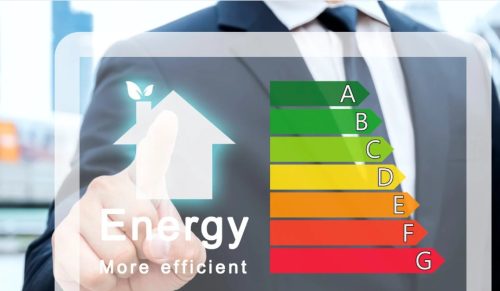
The environmental benefits of circular light systems also go beyond resource and energy savings. By taking a more sustainable approach to light design and energy consumption, circular systems are changing the way manufacturers think about product design.
They are now developing products that prioritise longevity, repairability and the ability to be recycled. The use of circular light systems also supports the sustainability goals that are promoted by governments around the world.
Businesses have to be more conscious of their environmental impact, and circular lights are one way in which they can become more sustainable.
Final Thoughts
The lighting industry used to be overlooked in the battle against climate change but it is now an important contributor to reducing the waste of resources and the waste of excess energy. The economic benefits to businesses also reinforce the environmental advantages.
If you can reduce the long-term energy costs of lighting and mitigate the cost of having to replace light lamps and fittings, you can also lower costs and the impact on the environment. This is a win-win situation for businesses that want to save money and improve their environmental impact.
Circular lighting is more than just a lighting upgrade, it is a change in how we look at lighting systems and the management of resources. The environmental benefits are clear to see, and as more businesses look to improve their eco-responsibility, circular lights will become the go-to solution for positive environmental change.