
Have you received a suspicious text message from the Department for Work and Pensions (DWP) about a home energy grant? If so, you’re not alone.
Across the UK, fraudsters are impersonating government departments in an alarming scam targeting vulnerable residents.
These fake DWP messages claim eligibility for Winter Heating Allowance or energy support grants, urging people to act fast before a looming deadline. Behind the urgency lies a carefully crafted phishing trap.
As scammers become more convincing, spotting the difference between real support and fraud is crucial. This article exposes the DWP home energy grant scam and shows you how to stay safe.
What Is the DWP Home Energy Grant Scam?
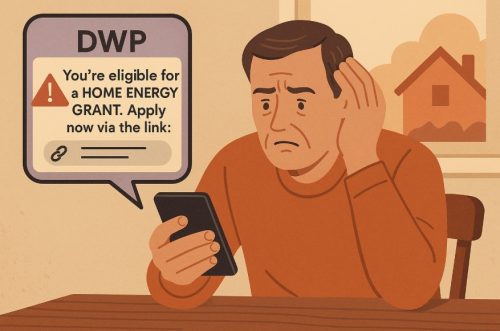
The DWP home energy grant scam is a sophisticated fraud targeting UK residents, especially pensioners and vulnerable groups.
It involves a text message claiming to be from the Department for Work and Pensions, suggesting recipients must apply to receive a Winter Heating Allowance or Energy Support Scheme payment ranging between £200 and £300.
The message often states a strict deadline and includes a malicious link that appears official. Victims who click the link are directed to a fake DWP website asking for sensitive personal and banking information.
These fraudulent texts are designed to mimic legitimate government communication, using urgent language to pressure victims into acting quickly. Once personal data is submitted, scammers can steal money directly from victims’ accounts.
The real DWP has confirmed it never requests sensitive information via text or directs users to external links for such claims.
How Are Fake Energy Support Text Messages Delivered?
Fake energy support text message scams are on the rise, targeting vulnerable households with promises of government grants. These texts are crafted to look official and pressure recipients into revealing personal information.
Delivery of fake energy support text messages
Scammers send out phishing texts that closely resemble official DWP communications, using urgent language and realistic subject lines like “DWP Notice” or “Winter Heating Allowance Application Required.”
Appearance of scam messages upon arrival
The messages arrive with an urgent tone, often warning the recipient that their application is incomplete and prompting immediate action to avoid missing out on support.
Instructions given to recipients
Victims are directed to complete their application before a set deadline and are given a fraudulent link disguised as a government page, leading them to a site designed to steal sensitive data.
Tactics used to disguise delivery
To avoid detection, scammers use link shorteners, spoofed numbers, and even integrate the texts into existing DWP message threads, making the messages appear legitimate.
Effectiveness of these scam techniques
These scams succeed by mimicking real government communication styles and exploiting urgency, causing many to fall for the trap despite being cautious.
Why Are People Falling for This Government Grant Scam?
Scammers use several psychological and technological tricks that make their messages seem genuine and time-sensitive.
- Imitation of authority: They impersonate government agencies like DWP, making people assume the message is legitimate.
- Urgent deadlines: Phrases like “Complete by 6 June 2025” push recipients to act without thinking.
- Fear of missing out: Suggesting loss of £300 in support can cause emotional panic.
- Sophisticated presentation: Some messages look identical to real government messages and even appear in official SMS threads.
- Widespread public announcements: These scams often launch right after DWP announcements, increasing the believability.
Additionally, pensioners and low-income households, often less familiar with digital fraud, are prime targets. These individuals are more likely to be awaiting financial help and may not second-guess a legitimate-looking message.
When trust is established through language and visual design, even tech-savvy users can become victims. What makes this scam particularly dangerous is its alignment with real government activity.
Many victims assume the urgency and language match government protocols and click before verifying the message.
What Is the Real DWP Energy Support Scheme?
The Department for Work and Pensions does offer real energy support schemes, but they do not require public applications through text messages or web links.
One such example is the Winter Fuel Payment, which is automatically provided to eligible pensioners without needing to submit any form or bank details online.
Below is a table to help compare real vs fake schemes:
| Feature | Real DWP Energy Support Scheme | Fake DWP Grant Scam |
| Application Needed | No – Payment is automatic | Yes – Urges immediate application via link |
| Request for Bank Info via Text | Never | Always |
| Source of Communication | Letter or official GOV.UK site | SMS with shortened or suspicious links |
| Deadline Pressure | Informational only | Urgent with cut-off dates |
| Link Provided | gov.uk or direct DWP resources | Non-GOV links with tracking elements |
Always verify energy support schemes on the official GOV.UK website. If you’re eligible, you’ll either receive payment automatically or be contacted through trusted communication channels, not SMS.
How Can You Identify a DWP Scam Text Message?
Spotting a fake DWP text message can protect you from falling victim to fraud. Scammers rely on urgency, false links, and data requests to trick recipients into revealing sensitive information.
Does the message create urgency or panic?
Scam messages often use scare tactics like “final notice” or “your payment will be cancelled” to force a quick reaction.
Is there a clickable link?
Legitimate government agencies do not ask you to click a link or submit your personal information via text. Scam links often look shortened or suspicious, and may even resemble GOV.UK at first glance.
Are you asked for personal or banking information?
DWP has publicly stated it will never request sensitive data such as bank details through text or email. If you’re being asked to share such details through a link, it’s likely a scam.
Does it match an actual DWP announcement?
Compare the message with updates on GOV.UK or the official DWP social media channels. If no such scheme is mentioned there, the message is fake.
Being cautious with unsolicited messages and verifying them before acting is your first line of defence against these scams.
What Should You Do If You Receive a DWP Scam Message?
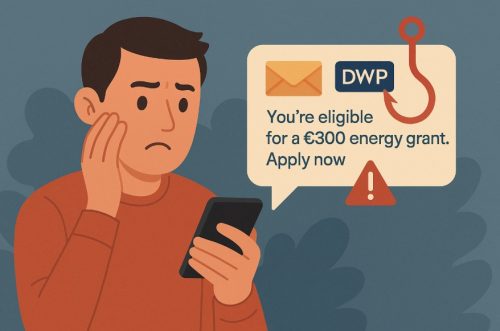
If you receive a suspected DWP scam message, it’s essential to act quickly but calmly. Start by not clicking on any links or entering any personal details. Even visiting the page could expose your device to malware.
Next, follow these steps:
- Report the message to Action Fraud by calling 0300 123 2040 or using the online fraud reporting tool.
- Forward the text to your mobile provider by texting 7726 (free service to report SMS spam).
- Inform your local Jobcentre Plus or Benefits Office, especially if you’ve already submitted any information.
- Block the sender on your phone to prevent future messages from that number.
- Check your bank account if you suspect you’ve already interacted with the scam. Contact your bank’s fraud team immediately.
Educating family and friends, especially elderly relatives, can help prevent others from becoming victims. Once reported, keep all communications safe in case they are needed for an investigation.
What Are Authorities and Cybersecurity Experts Saying About the Scam?
Authorities have raised strong concerns about the widespread nature of this energy grant scam. The Department for Work and Pensions issued a statement warning Britons to “beware” of text messages claiming to offer energy support schemes.
According to DWP and NI Direct, these fraudulent messages are designed to look like official government notifications and typically coincide with real support announcements to seem more legitimate.
Cybersecurity experts and the Stop! Think Fraud initiative stress the importance of double-checking the source of messages before taking any action.
Communities Minister Gordon Lyons also confirmed that pensioners do not need to apply for this year’s winter fuel payment, debunking scam claims.
Officials have emphasized that under no circumstances should recipients share personal or banking information via text or email. Reporting and public awareness are key tools in combating this growing threat.
How Can You Protect Yourself from Future Energy Rebate Frauds?
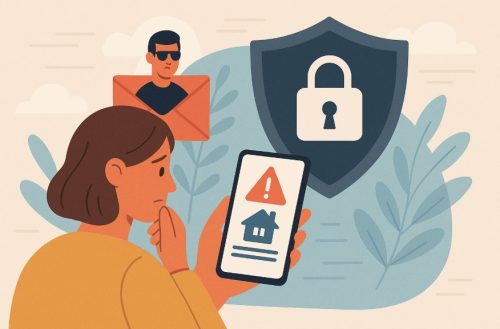
Staying informed is the first and most effective way to prevent falling victim to future scams. Since energy rebate frauds are often timed with government announcements, caution is key.
Steps to Stay Protected
- Never click on suspicious links or reply to unexpected messages about financial support.
- Double-check any scheme on the official GOV.UK website before responding.
- Install anti-phishing tools and use secure mobile browsers.
- Use two-factor authentication on banking and email accounts.
- Educate vulnerable family members, particularly older individuals who are more likely to be targeted.
- Avoid sharing personal information via text or email unless you initiated the conversation through a secure channel.
- Save official DWP numbers on your phone so scam messages stand out more clearly.
Cybercrime is constantly evolving, so it’s vital to stay updated through official sources. Always verify before you act. The more awareness and education that exists in your community, the harder it becomes for scammers to succeed.
Conclusion
The rise of DWP home energy grant scams is a pressing concern, particularly for those relying on genuine government support during difficult economic times. These scams are designed to deceive, using urgency, authority, and technical mimicry to gain your trust.
But with awareness, vigilance, and immediate reporting, you can outsmart these malicious schemes. Always remember that the DWP will never ask for bank details through a text, nor demand applications via suspicious links. Use official GOV.UK channels to verify claims.
Staying informed and cautious can ensure your personal and financial safety remains intact in the face of evolving threats.
FAQs About DWP Home Energy Grant Scam
Are energy scams only targeting DWP beneficiaries?
No, these scams often target anyone eligible for government benefits, including pensioners and low-income households.
Can scammers access my bank account through a fake DWP link?
Yes, if you enter your bank details on a fake site, they can use that information to access your account and steal money.
How quickly should I report a suspected scam message?
Immediately. Quick reporting helps authorities trace scams and may protect others from being targeted.
Do mobile network providers block scam texts?
Some providers have systems to detect and block scams, but not all texts are stopped, so individual vigilance is still essential.
Is there a way to check if a DWP message is genuine?
Yes, verify messages against announcements on GOV.UK or contact the DWP directly through known numbers or websites.
What role does Action Fraud play in tackling energy scams?
Action Fraud collects reports, investigates patterns, and works with law enforcement to track and shut down scams.
Could a scam message cause my energy support payments to stop?
No, responding to or ignoring a scam has no impact on your legitimate payments from DWP.