


In the complex world of UK benefits, even well-meaning gestures like receiving a financial gift can unexpectedly influence your entitlements.
For those relying on means-tested benefits such as Universal Credit, Income Support, or Housing Benefit, understanding how a gift of money is classified, whether as income or capital, is essential to avoid penalties or overpayments.
This guide explores the implications of receiving monetary gifts while on benefits in the UK. It outlines how the Department for Work and Pensions (DWP) treats such gifts, when you need to report them, and what exceptions may apply.
Whether you’re a claimant or someone looking to support a loved one, being informed is crucial.
What Types of Benefits Could Be Affected by Gifted Money?

Not all benefits are impacted by financial gifts, but for means-tested benefits, even a one-off payment could change your eligibility. The DWP primarily assesses both your income and capital to determine entitlement for means-tested benefits.
Means-Tested vs Non-Means-Tested Benefits
- Means-tested benefits assess your financial situation, including your income and savings (capital). These include:
- Universal Credit (UC)
- Housing Benefit
- Income Support
- Pension Credit
- Council Tax Reduction
- Non-means-tested benefits, such as Personal Independence Payment (PIP) or Disability Living Allowance (DLA), are not affected by your income or savings and typically won’t be impacted by financial gifts.
It’s important to understand which benefits are means-tested before accepting or gifting money, as this could affect your entitlement and potentially reduce the support you receive.
How Do DWP Capital Thresholds Work in the UK?
The DWP has set capital thresholds for means-tested benefits, which determine how much money you can have in savings (including gifts) before your benefits are reduced or stopped altogether.
Current Capital Limits for Universal Credit and Other Benefits
For Universal Credit, the key capital thresholds are:
| Capital Amount | Impact on Benefits |
| Up to £6,000 | Full entitlement remains |
| £6,001 – £16,000 | Entitlement gradually reduced |
| Over £16,000 | Usually ineligible for UC |
Other benefits follow similar thresholds. The rules aim to ensure that support is targeted at those who do not have significant financial means.
Impact of Exceeding Capital Limits
If a financial gift pushes your total capital above £6,000, you may see a reduction in your monthly benefit amount. Exceeding £16,000 in savings generally leads to loss of eligibility for most means-tested benefits. Understanding these limits is crucial before accepting or giving a large sum of money.
Is a Gift of Money Considered Income or Capital by the DWP?
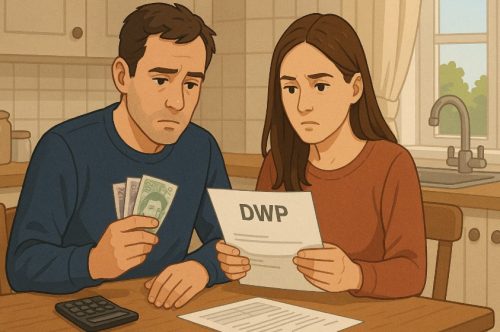
The classification of a monetary gift is essential, as the DWP treats income and capital differently. A one-off gift is usually not considered income. However, once received, it becomes capital, which is counted toward your savings.
If someone gives you regular payments, such as weekly help from a relative, these may not always be counted as income. For Universal Credit, voluntary or irregular payments are generally disregarded as income, but added to capital.
This distinction is vital: income can affect your monthly assessment period, while capital is measured against the longer-term savings thresholds.
Are One-Off Lump Sum Gifts Treated Differently from Regular Payments?
Yes, the DWP treats one-off payments and regular financial help differently. A lump sum, such as an inheritance or a single bank transfer, is classified as capital and could immediately affect your benefits if it pushes your savings over the thresholds.
In contrast, voluntary regular payments, such as parents helping with rent each month, may be ignored by the DWP, particularly if they are not legally obligated and the claimant has no control over them.
Comparison Table: Lump Sums vs Regular Payments
| Type of Payment | DWP Classification | Potential Impact |
| One-off monetary gift | Capital | Affects total capital/savings |
| Regular voluntary payments | Usually disregarded | May not affect benefits |
| Income from work | Earned income | Affects benefit amount monthly |
It’s important to maintain clear records and ensure that regular support does not appear to be income unless specified as such.
What Is Notional Capital and How Can It Affect Your Benefits?
“Notional capital” refers to money you used to have, or should still have, but don’t, because you gave it away or spent it to stay eligible for benefits. The DWP may still treat that money as if you own it, particularly if they believe you intentionally reduced your savings.
Common examples include:
- Gifting large sums to family members
- Transferring money to someone else’s account
- Spending money on non-essential purchases before applying for benefits
The DWP investigates such cases and may apply notional capital rules, reducing or stopping your benefit payments based on the assumed capital.
Can Giving Away Money to Stay Eligible for Benefits Backfire?

While it may seem harmless to give away money before or during a benefit claim, doing so to remain eligible for support can lead to serious repercussions under UK benefit rules.
Understanding Deprivation of Capital
Deprivation of capital occurs when the DWP believes you’ve deliberately spent or given away money to remain eligible for benefits. If you’re found to have done so, the amount could still be counted as if you have it, under the notional capital rule.
This can apply even if:
- You gave money to help a family member
- You paid off a debt early
- You gifted a sum to avoid losing a benefit
Investigations and DWP Decisions
The DWP may ask for:
- Bank statements
- Written justifications for large withdrawals or transfers
- Details of gifts or payments made prior to a benefit claim
If they conclude the action was deliberate, the DWP will assess your entitlement based on the value of the notional capital. This can result in:
- Suspension of payments
- Overpayment recovery notices
- Fraud investigation in extreme cases
To avoid complications, it’s crucial to manage your finances transparently and seek advice before making large financial transfers while claiming means-tested benefits.
How Should You Report a Gift of Money to the DWP?
If you receive a gift that may affect your benefits, it is your responsibility to report it promptly. Failure to do so can result in overpayments, which you may need to repay, and potentially more serious consequences.
You should report:
- The date the money was received
- The amount
- The source of the gift
- How you intend to use it (if relevant)
This can usually be done via your Universal Credit journal, local council for Housing Benefit, or by calling the DWP helpline.
Being transparent with the DWP helps ensure your claim is assessed correctly and reduces the risk of penalties or repayment demands.
What Exceptions or Exemptions Apply to Gifted Money and Benefits?

While most monetary gifts are treated as capital, some exemptions apply, depending on the source, intention, and benefit type.
Some situations where gifted money may not affect benefits:
- Small, irregular gifts, such as birthday money
- Payments for a specific purpose (e.g., a relative paying rent directly to a landlord)
- Money held on behalf of a child, even if in the parent’s account
- Compensation payments, which may be disregarded for a certain period
- Voluntary payments not intended as ongoing income
Always confirm with the DWP or a welfare adviser before assuming a gift won’t impact your claim. Regulations vary between different benefit types and local authorities.
Conclusion
In the UK, receiving a gift of money can positively or negatively impact your benefits, depending on how it’s received, its size, and how it’s reported.
For anyone on means-tested benefits, understanding the capital thresholds, the difference between income and capital, and the concept of notional capital is essential.
Before accepting or giving a financial gift, consider:
- Whether it may breach capital limits
- How the DWP may interpret the payment
- The importance of full disclosure and transparency
If in doubt, consult a benefits adviser or contact the DWP directly. A well-intentioned gift should bring support, not jeopardise someone’s essential financial assistance.
Frequently Asked Questions
Does receiving money from parents affect Universal Credit?
Receiving voluntary financial support from parents may be disregarded as income but will count toward your capital. If the amount increases your savings above £6,000, your Universal Credit may be reduced.
Will my benefits stop if someone deposits money into my bank account?
Not necessarily. However, any significant deposit should be reported. If the deposit increases your savings above the threshold for your benefit type, it may result in reduced payments or loss of eligibility.
Is there a limit to how much money I can receive as a gift while on benefits?
There’s no official cap on receiving gifts, but if your total capital exceeds £6,000, it starts to affect most means-tested benefits. Exceeding £16,000 may disqualify you from receiving them entirely.
Do I have to declare birthday or Christmas money to the DWP?
Small, irregular gifts such as birthday or Christmas money are typically not counted, especially if they are modest. However, it’s wise to track and declare anything that could significantly raise your savings.
How quickly does a change in capital affect my benefit payments?
For Universal Credit, your capital is assessed monthly. Changes should be reported immediately, and they can affect your benefit from your next assessment period.
Can I refuse a gift of money to avoid losing benefits?
Yes. You can choose not to accept a gift, or request it be paid in a way that doesn’t affect your eligibility (e.g., directly to a landlord). Just ensure it’s done transparently to avoid assumptions of notional capital.
What happens if I don’t report a financial gift to the DWP?
Failing to report a financial gift may lead to benefit overpayments, which you’ll need to repay. In serious cases, it could lead to investigations, benefit suspension, or fraud proceedings.