

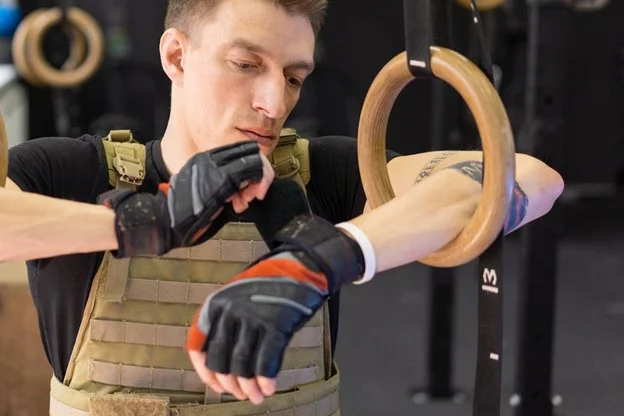
Weighted vests have become a common sight in gyms and on walking trails. These form-fitting garments contain fixed or adjustable weights that add resistance to your movements during exercise.
Before adding a weighted vest to your workouts, it’s important to understand both the potential benefits and drawbacks to decide if it’s right for you.
Are Weighted Vests Good for Working Out for Everyone?
How Weighted Vests Work?
A weighted vest distributes extra load evenly across your torso, similar to a backpack but with better weight distribution. The added resistance forces your body to work harder during any activity, from walking to more intense exercises.
Most vests, such as weighted vests from Fitness Avenue, let you adjust the weight with removable plates or pockets, giving you control over the intensity.
Benefits of Training with Weighted Vests
Enhanced Bone Density
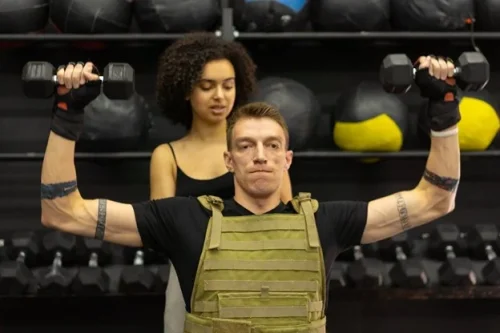
Adding weight to low-impact activities like walking can help maintain or improve bone density. Older adults and postmenopausal women may find this benefit especially relevant due to their increased risk of fractures.
People who are losing weight can also use vests to counteract the bone density loss that often accompanies weight reduction.
Increased Calorie Expenditure
The additional resistance requires more energy output during exercise, leading to greater calorie burn. This can support weight loss goals when combined with appropriate nutrition and consistent training.
Strength Development
Your muscles must work harder to move the extra weight, particularly in your legs, core, back, and glutes. This progressive overload can lead to gradual strength gains.
Cardiovascular Improvements
The added challenge increases both heart rate and oxygen consumption during workouts. Regular training with this increased intensity can improve cardiovascular endurance and overall heart and lung health.
What Are the Considerations Before Using a Weighted Vest?
- Proper load and form matter. A weight that is too heavy or used without good posture can increase the risk of joint stress or injury. One guideline: keep an extra load of around 5–10% of body weight initially.
- Not suitable for everyone or every activity. If you have back, neck, or joint issues, the added weight may exacerbate problems. Also, using a vest during high-impact or running activities may alter mechanics and raise injury risk.
- Gradual adaptation is key. Because wearing a vest changes the demands on your body, you should start light, restrict use to shorter periods, and monitor how your body responds.
How to Use a Weighted Vest Wisely?
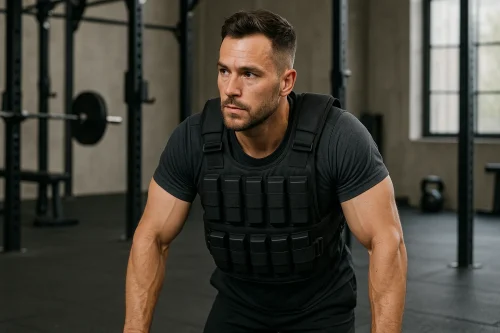
- Pick a vest that provides adjustable weight options to help you build intensity step by step.
- Start with a comfortable weight (for many people, this is under 10% of body weight) and use it for shorter durations, focusing on good posture and controlled movement.
- Integrate the vest into workouts where added load makes sense, such as walking, bodyweight squats, push-ups, or core exercises, rather than high-speed running or complex lifts, until you are well-adapted.
- Monitor your body: if you experience persistent joint pain, spinal discomfort, or balance issues, reduce or stop and consult a professional.
The End Note
Now is the time to take your workouts to the next level, consider trying a weighted vest and experience its benefits firsthand. Start light, stay mindful of your body, and maintain proper form as you progress.
If you have any health concerns, consult a professional before getting started. Make this small change and see how it can boost your fitness results.