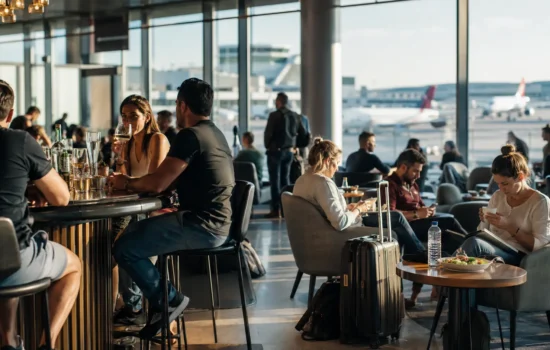
Group holidays are a wonderful opportunity to relax, explore new places and create lasting memories with friends or family. However, if someone in your group is in addiction recovery, a little extra planning can help ensure that everyone enjoys the trip while respecting their needs.
Recovery is an ongoing journey, and thoughtful preparation can make all the difference in helping someone feel supported rather than isolated. The last thing you want is relapse and your loved one needing the support of rehab centres in the UK again.
The good news is that with open communication, flexibility and consideration, it’s entirely possible to plan a holiday that’s enjoyable for everyone.
Start With Honest Conversations

Before making any bookings, it’s important to have an open and respectful discussion with everyone involved. Rather than making assumptions about what the person in addiction recovery may or may not be comfortable with, ask how they feel about the trip and whether they have any concerns.
Some people may be perfectly comfortable around alcohol or nightlife, while others may prefer to avoid environments that could be triggering. Every recovery journey is unique, so listening without judgement is key.
Creating an atmosphere where everyone feels able to express their preferences from the outset can prevent misunderstandings later and helps ensure that decisions are made collaboratively.
Choose The Right Destination
The destination itself can have a significant impact on the overall experience. While some resorts are heavily centred around nightlife and drinking culture, many locations offer a wider range of attractions and activities that appeal to all travellers.
Cities with cultural landmarks, countryside retreats, coastal villages or activity-based holidays often provide plenty of opportunities for enjoyment without placing alcohol at the centre of every social occasion.
Walking trails, museums, water sports, sightseeing, wellness retreats and local food experiences can all help create a memorable holiday without relying on nightlife.
Selecting accommodation with communal spaces, cooking facilities or nearby attractions also gives the group greater flexibility when planning each day.
Plan Activities That Everyone Can Enjoy

A successful group holiday doesn’t have to revolve around UK pubs, bars or late-night parties. In fact, many of the most memorable travel experiences involve exploring new places, trying local cuisine, taking guided tours or simply spending quality time together.
Building a varied itinerary ensures that everyone has something to look forward to. Beach days, hiking, cycling, boat trips, escape rooms, wildlife parks or live digital entertainment can provide shared experiences that don’t centre on alcohol.
If some members of the group wish to enjoy drinks during the holiday, it’s often possible to balance this with activities that are inclusive for everyone.
Respect Personal Boundaries
Supporting someone in recovery doesn’t mean treating them differently or drawing unnecessary attention to their circumstances. Instead, it means respecting their choices without questioning or pressuring them.
Avoid encouraging someone to “just have one drink” or suggesting that being on holiday is an exception. Even comments intended as jokes can feel uncomfortable or dismissive of the effort involved in maintaining recovery.
Similarly, if someone chooses to leave a situation that feels overwhelming, respect that decision without making them feel guilty. A supportive environment allows everyone to enjoy the holiday in a way that feels right for them.
Have A Flexible Approach

Even with careful planning, situations may arise that require flexibility. Someone in recovery may need quiet time, wish to skip an evening out or prefer different activities on certain days.
Allowing people the freedom to split into smaller groups occasionally can benefit everyone. While some travellers may want to experience local nightlife, others may enjoy a relaxed meal, an evening walk or an early night before the next day’s adventures.
Giving everyone space to make choices without pressure helps create a more enjoyable holiday for the entire group.
Focus On Connection, Not Alcohol
Finally, at its heart, a group holiday is about spending time together and creating shared memories. While alcohol is often associated with celebrations and travel, meaningful experiences rarely depend upon it.
By prioritising good conversation, new experiences and mutual respect, groups often discover that holidays become more rewarding and inclusive.
Supporting a friend or family member in recovery doesn’t mean sacrificing fun, it simply means broadening the ways in which everyone can enjoy themselves.