


Route optimization is a core operational strategy for businesses that rely on transportation, delivery, or field services. It focuses on determining the most efficient paths for vehicles or personnel based on variables such as distance, traffic, delivery windows, and resource constraints.
Without optimization, routing decisions often rely on static assumptions, leading to inefficiencies that compound over time.
By applying structured optimization methods, businesses can significantly reduce costs, improve service levels, and increase overall productivity.
How Route Optimization Improves Business Efficiency in Modern Logistics Operations?
Reducing Transportation Costs Through Efficient Routing
Transportation costs represent a major expense for logistics-driven operations. Fuel consumption, vehicle wear, and labor hours are directly influenced by route efficiency.
Implementing route optimization minimizes unnecessary travel distance and idle time. Algorithms calculate the shortest or fastest routes while accounting for real-world constraints such as traffic congestion and road conditions.
Cost reductions are achieved through:
- Lower fuel usage due to reduced mileage
- Decreased vehicle maintenance from optimized usage
- Improved driver productivity through efficient scheduling
Optimized routing directly impacts the bottom line by eliminating waste.
Improving Delivery Time Accuracy

Accurate delivery timing is critical for customer satisfaction and operational planning. Inefficient routing introduces variability, making it difficult to predict arrival times.
Route optimization systems analyze historical and real-time data to generate precise delivery schedules. These systems adjust dynamically based on traffic patterns and order volume.
Improved time accuracy leads to:
- Consistent adherence to delivery windows
- Reduced delays and missed appointments
- Better coordination between dispatch and customers
Reliable timing strengthens service quality and trust.
Enhancing Resource Utilization
Businesses must maximize the use of available resources, including vehicles, drivers, and fuel. Poor routing leads to underutilization or uneven distribution of workload.
Optimized routes ensure that resources are allocated efficiently across all tasks. Drivers are assigned routes that balance workload while minimizing overlap.
Effective utilization includes:
- Assigning deliveries based on geographic proximity
- Reducing idle time between tasks
- Balancing workloads across teams
Efficient resource management increases output without requiring additional assets.
Supporting Scalability in Operations
As businesses grow, routing complexity increases. Managing larger volumes of deliveries or service calls requires scalable systems.
Manual routing methods become impractical at scale. Optimization tools handle increased data inputs and generate efficient routes regardless of volume.
Scalability benefits include:
- Ability to manage higher order volumes without proportional cost increases
- Consistent performance across expanding service areas
- Reduced need for additional administrative resources
Scalable routing systems support long-term growth.
Integrating Real-Time Data for Dynamic Adjustments
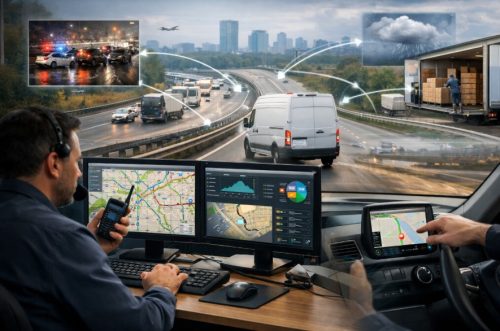
Static routing plans do not account for real-time changes such as traffic incidents, weather conditions, or last-minute orders. This leads to inefficiencies and delays.
Route optimization systems integrate real-time data to adjust routes dynamically. Drivers can be rerouted instantly to avoid disruptions.
Dynamic routing provides:
- Immediate response to changing conditions
- Improved flexibility in handling urgent requests
- Reduced impact of external disruptions
Real-time adaptability ensures operational continuity.
Reducing Environmental Impact
Efficient routing contributes to sustainability by reducing fuel consumption and emissions. Shorter routes and fewer idle periods decrease the environmental footprint of operations.
Businesses benefit from:
- Lower carbon emissions due to optimized travel
- Reduced energy consumption
- Alignment with sustainability goals and regulations
Environmental efficiency is increasingly important for compliance and corporate responsibility.
Improving Customer Experience
Customer expectations for speed and reliability have increased. Route optimization plays a direct role in meeting these expectations.
Faster and more predictable deliveries improve overall experience. Customers receive accurate updates and are less likely to encounter delays.
Enhanced experience results in:
- Higher customer satisfaction and retention
- Positive reviews and brand reputation
- Increased likelihood of repeat business
Service quality is directly linked to routing efficiency.
Streamlining Dispatch Operations
Dispatching is a complex process that involves assigning tasks, coordinating drivers, and monitoring progress. Manual dispatching introduces delays and inconsistencies.
Route optimization automates these processes, reducing the need for manual intervention. Dispatchers can focus on exceptions rather than routine planning.
Streamlined operations include:
- Automated route generation
- Centralized monitoring of all deliveries
- Reduced administrative workload
Automation improves both speed and accuracy in dispatch management.
Enabling Data-Driven Decision Making

Route optimization systems generate data that can be analyzed for continuous improvement. Metrics such as delivery time, route efficiency, and cost per mile provide insight into performance.
Businesses can use this data to:
- Identify inefficiencies in current operations
- Adjust service areas or delivery schedules
- Improve long-term planning and forecasting
Data-driven strategies enhance operational control and efficiency.
Increasing Competitive Advantage
Efficient routing provides a measurable competitive advantage. Businesses that deliver faster, reduce costs, and maintain reliability outperform competitors.
Route optimization enables organizations to operate at higher efficiency levels without increasing resource consumption.
Competitive benefits include:
- Faster service delivery compared to competitors
- Lower operational costs allowing competitive pricing
- Improved reliability and customer trust
Operational efficiency becomes a differentiator in competitive markets.
Final Thoughts
Route optimization is a critical tool for improving business efficiency across transportation and service operations. By reducing costs, enhancing resource utilization, and enabling real-time adaptability, it transforms how businesses manage logistics.
As demand for faster and more reliable services continues to grow, optimized routing systems provide the structure needed to maintain performance and scalability.