

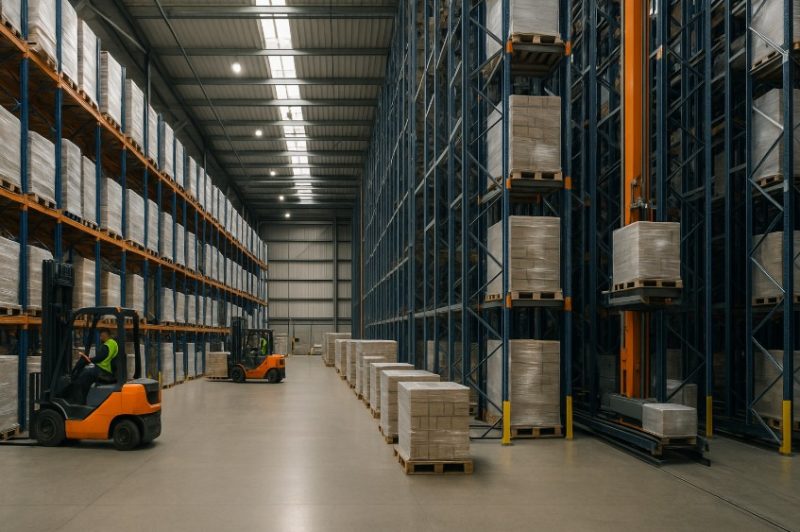
Automated pallet racking has become one of the most influential developments in warehouse storage systems, particularly for businesses that are experiencing rising demand, space constraints, labour pressures, or the growing need for consistent operational efficiency.
Many warehouse managers and logistics leaders now see automation not only as an upgrade but as an essential step towards future-proofing their facilities. While traditional warehouse pallet racking has served industries well for decades, evolving operational pressures mean that manual systems are often no longer enough on their own.
Automated warehouse pallet racking offers an opportunity to improve accuracy, control throughput, and create safer, more predictable workflows.
This guide explores how automated pallet racking works, where it adds value, and what warehouse teams should consider when assessing new storage systems. It also addresses common questions, and how to choose the right pallet racking suppliers for growing operations.
How Do Smarter Warehouse Pallet Racking Systems Transform Manual Storage Into Automation?
What is Pallet Racking and Why Warehouses Automate?
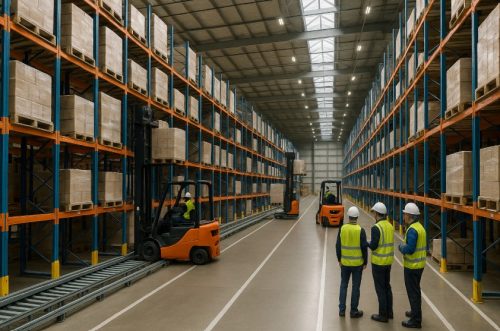
Pallet racking is a structured system designed to store palletised goods in a safe and organised way, making it easier for teams to access stock whenever required. Traditional Pallet racking systems rely heavily on manual handling equipment such as forklifts, which can slow processes during peak periods and increase congestion in busy aisles.
Automated pallet racking reduces these pressures by using machinery, shuttles, conveyors, or robotics to move and store pallets with far greater efficiency.
Warehouse managers often explore automation when they recognise that manual processes are beginning to restrict output. Limited floor space, increased product volume, or rising product diversity can put strain on existing racking arrangements. Automation introduces a more controlled environment where storage density increases, travel times drop, and retrieval becomes more consistent.
For operations that demand high accuracy, traceability, or rapid handling (especially in retail, food, manufacturing, and e-commerce) automated warehouse pallet racking systems support the long-term performance required for growing supply chains.
The Limitations of Manual Warehouse Pallet Racking
Manual pallet racking remains suitable for many environments, particularly where SKU volumes are lower or throughput demands are moderate.
However, businesses commonly reach a point where manual systems begin to create bottlenecks. Staff must spend more time navigating aisles, replenishing stock, and managing pallet positions. As the warehouse increases in size or stock movement becomes more frequent, the risk of errors naturally rises.
Weight distribution, rack damage, and forklift collisions also become greater concerns as activity increases. Many facilities already operate at their maximum safe racking height, meaning vertical expansion is no longer an option.
Operations teams often find that even with careful planning, manual processes eventually restrict both output and storage capacity. These challenges are some of the key reasons why organisations begin exploring automated pallet racking as part of a broader warehouse improvement strategy.
How Automated Pallet Racking Improves Warehouse Efficiency?
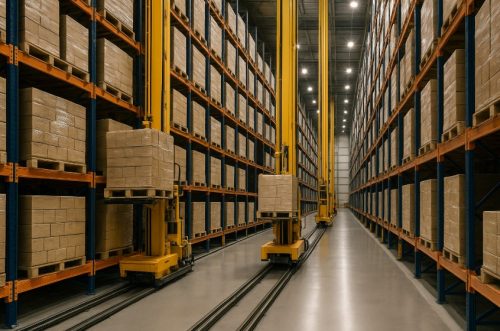
Automated pallet racking creates a more responsive and predictable environment for stock control. With automation, pallets are moved by systems designed to keep operations flowing with minimal interruption. This reduces dependency on forklift movements and enables teams to focus on value-added tasks rather than repetitive handling.
One of the greatest advantages is space optimisation. Automated systems can store pallets more tightly and often at greater heights, meaning warehouses can significantly increase capacity without expanding their physical footprint.
By using controlled mechanical movement, automation also improves safety because the likelihood of accidental rack strikes, pallet instability, or overloading is reduced.
These systems enhance stock visibility, enabling warehouse managers to monitor position, movement, and capacity in real time. This level of insight is valuable for organisations that require fast replenishment or need to support multichannel distribution.
Many businesses report measurable reductions in labour costs and notable improvements in throughput after adopting automated pallet racking.
Addressing Common Industry Questions
How Much Weight Can Pallet Racking Hold?
The capacity varies according to the racking type, the materials used, and the design supplied by a qualified provider. In many cases, well-engineered pallet racking can support several tonnes per beam level, provided it is installed correctly and suited to the intended load.
Safe performance relies heavily on using the right system for the products being stored and carrying out regular inspections to ensure the structure remains in good condition.
How Much Does It Cost to Install Pallet Racking?
The total investment is shaped by warehouse size, system complexity, pallet volume, and whether automated pallet racking is included. Automated solutions naturally require greater initial investment than manual racking, but they often deliver strong long-term value.
Businesses typically justify this cost through reduced labour requirements, improved accuracy, lower damage levels, and the increased storage capacity that automation allows.
Is Automated Pallet Racking Safe for Busy Warehouse Environments?
Safety remains one of the most important considerations for warehouse pallet racking, especially in high-activity environments.
Automated systems support consistent performance by reducing the likelihood of human error and managing pallet movement in a controlled way. Their reliability during busy periods helps prevent issues such as uneven loading, rack impact, and congestion within aisles.
Working with experienced pallet racking suppliers ensures the system meets industry standards, is designed for the building’s requirements, and maintains long-term structural integrity through correct installation and ongoing inspections.
Choosing the Right Pallet Racking Suppliers for Automated Solutions
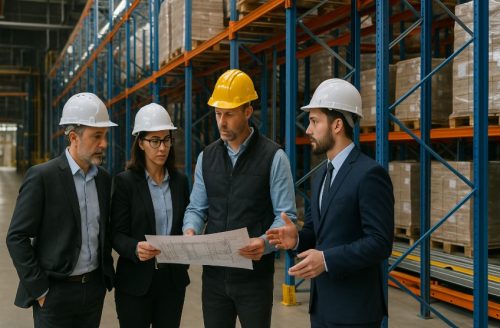
Selecting a good warehouse pallet racking supplier is a critical decision for any warehouse project. Businesses should look for suppliers with experience in both manual and automated systems, as this ensures they can assess the current layout and recommend improvements that support future growth.
Reliable suppliers take the time to understand how goods move through the facility and identify where automation will deliver the greatest impact.
They will also provide guidance on installation, maintenance, and inspections to ensure ongoing compliance and performance. Organisations that invest in systems supplied by knowledgeable partners often see smoother transitions and faster operational benefits.
Building a Future-Ready Warehouse with Automated Pallet Racking
As the demands placed on warehouses continue to rise, automated pallet racking offers a strategic advantage for businesses seeking sustained growth.
Warehouses must adapt to handle more complex stock profiles, faster delivery expectations, and tighter space utilisation requirements. Automated systems help meet these challenges by creating more efficient storage conditions and supporting consistent, high-volume operations.
By understanding the limitations of manual storage and recognising the strengths of automation, warehouse managers can make informed decisions about future upgrades. Automated pallet racking does not replace the skill or expertise of warehouse teams, but it gives them tools that support higher productivity and safer workflows.
Conclusion
Automation is more than a storage upgrade; it is a long-term investment in operational resilience. For organisations exploring ways to optimise capacity, improve accuracy, and develop a more reliable warehouse environment, automated pallet racking stands out as one of the most effective solutions available today.