

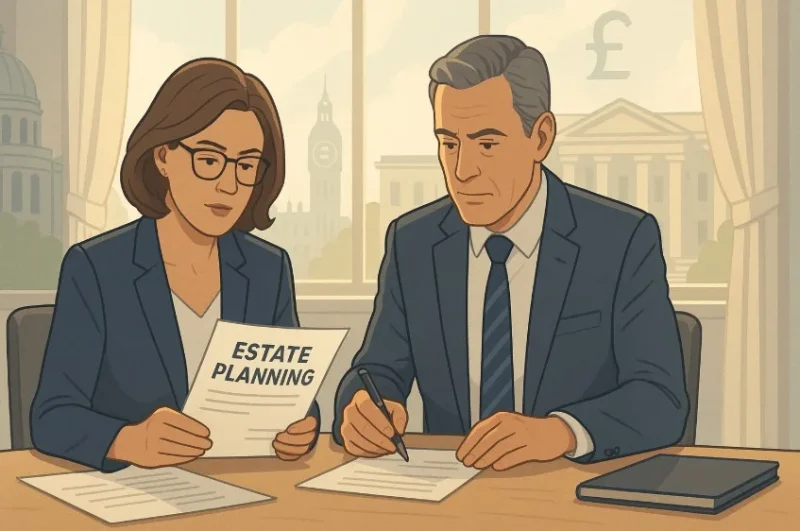
When someone passes away in the UK, their estate, which includes property, possessions, and financial assets, may be subject to Inheritance Tax (IHT). This tax is handled and assessed by HM Revenue & Customs (HMRC), which has the authority to investigate estates to ensure compliance with IHT regulations.
In recent years, HMRC has significantly increased its scrutiny of estates, especially those with complex asset structures or values exceeding key thresholds.
If you’re responsible for dealing with someone’s estate, you need to understand how HMRC checks inheritance tax, what triggers an investigation, and how to ensure everything is correctly reported. This guide walks you through the process and best practices to avoid costly mistakes.
What Triggers an HMRC Investigation into Inheritance Tax?
HMRC doesn’t automatically investigate every estate. However, certain triggers can prompt a closer review. One of the most common is when the estate’s declared value appears understated compared to the known assets, especially when high-value properties are involved.
Asset Value and the £325,000 Threshold
Every individual has a nil-rate band (NRB) allowance, currently set at £325,000. If the total value of the estate exceeds this amount, it may be subject to 40% inheritance tax on the portion above the threshold.
In some cases, the Residence Nil-Rate Band (RNRB) can raise this threshold up to £500,000 if a home is left to direct descendants.
Estates worth more than £2 million may lose eligibility for the RNRB entirely, which often prompts further examination by HMRC.
HMRC’s Focus on Higher-Value Estates
In recent years, estates exceeding £2 million have faced more intense scrutiny. According to reports, HMRC recovered a record £326 million through IHT investigations in a single year, highlighting the department’s commitment to enforcing compliance.
Factors that can trigger a review include:
- Unexplained reductions in estate value
- Gifting within seven years of death
- Missing or vague records of personal assets (like jewellery or collectibles)
- Inconsistencies between probate and tax filings
How Does HMRC Verify the Value of an Estate?
The valuation of an estate is fundamental to determining how much tax is due. HMRC requires accurate, evidence-backed figures for every asset, and it will closely examine how these valuations were arrived at.
Asset Valuation Requirements
Assets include everything from cash, savings, investments, and property to cars, jewellery, and even digital assets. Property valuations are particularly important, and HMRC recommends using a RICS-qualified surveyor rather than relying on informal estate agent estimates.
Common Estate Assets and HMRC Expectations for Valuation:
| Asset Type | Preferred Valuation Method |
| Residential property | RICS surveyor valuation |
| Bank accounts | Final balance statements |
| Stocks & investments | Closing prices on date of death |
| Vehicles | Market appraisal or valuation websites |
| Personal possessions | Individual valuation for items over £1,500 |
The Role of Personal Chattels and Documentation
Overlooking smaller personal items can be a costly mistake. If any one item is worth over £1,500, HMRC expects it to be individually assessed and documented. Filing a single lump-sum estimate without proper breakdowns may lead to follow-up questions or penalties.
What Documents and Forms Must Be Submitted for Inheritance Tax?

When you administer an estate, you’re responsible for submitting several key documents to HMRC. The exact forms depend on the estate’s size and complexity.
Common IHT Forms:
| Form | Purpose |
| IHT400 | Detailed return for taxable estates over the threshold |
| IHT205 | Simplified return for exempt or small estates |
| IHT421 | Probate summary for HMRC to notify the Probate Registry |
| IHT30 | Request for clearance confirmation from HMRC |
Each form must be submitted with supporting documentation such as valuations, bank statements, and gift histories. Inaccuracies or omissions could delay probate or prompt an audit.
How Far Back Can HMRC Look at Gifts and Transfers?
Gifts made within seven years of death can still be taxed, depending on when they were made and the total value. This is one of the most common pitfalls in inheritance tax filings.
7-Year Rule and Taper Relief
If a person gives a significant gift and dies within seven years, the gift is potentially taxable. However, taper relief may reduce the amount of IHT owed depending on the time elapsed between the gift and the death.
| Years Between Gift and Death | Tax Reduction (Taper Relief) |
| 0–3 years | 0% |
| 3–4 years | 20% |
| 4–5 years | 40% |
| 5–6 years | 60% |
| 6–7 years | 80% |
Gifts With Reservation of Benefit
If the deceased continued to benefit from the gift (e.g., lived in a house they gave away), it’s still considered part of their estate for IHT purposes, regardless of when it was gifted. Proper record-keeping of all gifts is essential, including dates, values, and recipients.
How Does HMRC Detect Undeclared or Hidden Assets?
HMRC has significant powers and sophisticated tools to uncover undeclared assets or misstatements. From banking data to property records, they cross-reference information to detect discrepancies.
Methods Used by HMRC:
- Land Registry Access: To check property ownership and past sales.
- Bank & Investment Statements: To trace gifts, withdrawals, and hidden funds.
- Insurance Payouts: Especially policies not written in trust, which are taxable.
- Digital Forensics: Reviews of emails, online statements, and cryptocurrency holdings.
In some cases, HMRC may request up to 20 years’ worth of documentation for audit purposes. Any attempt to hide assets or mislead HMRC may result in financial penalties or even legal action.
What Happens During an HMRC Inheritance Tax Audit?
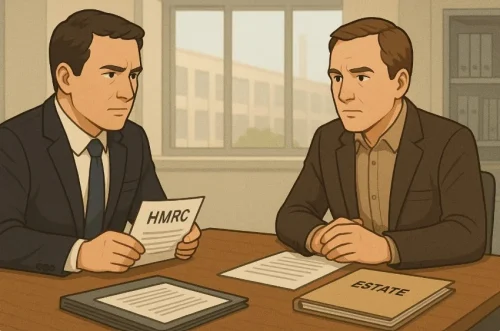
If your estate is flagged for an IHT audit, HMRC will send a formal notice and request additional information. This is often a review, not a confrontation, unless fraud is suspected.
The Audit Process Typically Involves:
- A request for further documentation (valuations, gift histories, bank statements).
- Interviews or written communication with executors.
- Reassessment of declared figures and potential recalculation of tax owed.
If discrepancies are found, HMRC may issue a correction notice or charge interest and penalties. If all appears accurate and complete, they may issue clearance via form IHT30.
How Can You Ensure Full Inheritance Tax Compliance?
Inheritance Tax is one of the most complex aspects of estate planning, and errors can be costly. To minimise the risk of investigation and ensure compliance, proactive planning and professional guidance are recommended.
Steps to Stay Compliant:
- Use a RICS-qualified surveyor for property valuation
- Keep written records of all gifts made, with values and dates
- Submit all relevant forms and supporting documents
- Disclose all assets, even jointly held or abroad
- Consult with a solicitor or tax adviser for complex estates
Applying for HMRC clearance (IHT30) after tax is paid adds peace of mind. Although not legally required, this form confirms that HMRC has no further queries about the estate, though it’s still subject to change if new information arises.
Can You Reduce the Risk of an Investigation?

Yes, while no approach can guarantee complete protection from HMRC investigations, there are several effective steps to minimise the risk. Start by engaging in smart estate planning with clear, professionally drafted wills that leave no ambiguity.
Consider using life insurance policies written in trust to cover potential inheritance tax (IHT) liabilities, ensuring funds are available without delay.
Make full use of available allowances and exemptions, such as the Residence Nil Rate Band (RNRB) and charitable donations, to reduce taxable value. Regular gifting within HMRC limits can also demonstrate transparency and compliance.
Finally, working closely with qualified tax planners or solicitors ensures your estate is structured accurately and ethically, reducing suspicion and helping probate proceed more smoothly.
What Are the Penalties for Inheritance Tax Evasion or Mistakes?
Mistakes in your IHT filing don’t automatically result in punishment. HMRC recognises that errors can happen. However, failure to report assets or intentional deception can lead to penalties.
| Type of Error | Possible Penalty |
| Minor miscalculation | Interest on unpaid tax |
| Late payment | Interest + up to 100% of tax due |
| Deliberate concealment | Higher penalties or prosecution |
| Fraudulent declarations | Criminal investigation |
To dispute a penalty, executors can appeal by writing to HMRC, providing evidence to support their position.
Conclusion
Inheritance Tax can be daunting, especially when you’re tasked with administering a loved one’s estate. But understanding how HMRC checks inheritance tax in the UK, and knowing what they look for, can protect you from errors, delays, and financial penalties.
By maintaining thorough records, securing professional valuations, disclosing all relevant assets, and seeking expert advice when needed, you significantly reduce the chances of investigation.
In doing so, you ensure a smoother process for your family and safeguard the estate from unnecessary complications.
FAQs About Inheritance Tax Checks
Do all estates get investigated by HMRC for Inheritance Tax?
No, most estates are processed without issue. However, those above £2 million or with inconsistencies are more likely to face scrutiny.
How long does HMRC have to review an inheritance tax case?
HMRC can open or reopen a case for up to 20 years if they suspect an underpayment or misreporting.
Is life insurance always included in the taxable estate?
Not if it’s written in trust. If not, the payout may be added to the estate value and taxed accordingly.
What’s the difference between probate and paying inheritance tax?
Probate is the legal process of handling the estate; inheritance tax is a financial obligation that must often be paid before probate is granted.
Can HMRC check foreign assets during an inheritance tax review?
Yes. If the deceased was domiciled in the UK, worldwide assets must be declared and may be taxed.
What happens if the estate can’t afford to pay the inheritance tax?
Executors can request to pay in instalments or use funds from the deceased’s bank accounts via the Direct Payment Scheme.
Is it necessary to hire a solicitor for inheritance tax reporting?
Not required, but highly recommended for large or complex estates to ensure full compliance and reduce risks.