
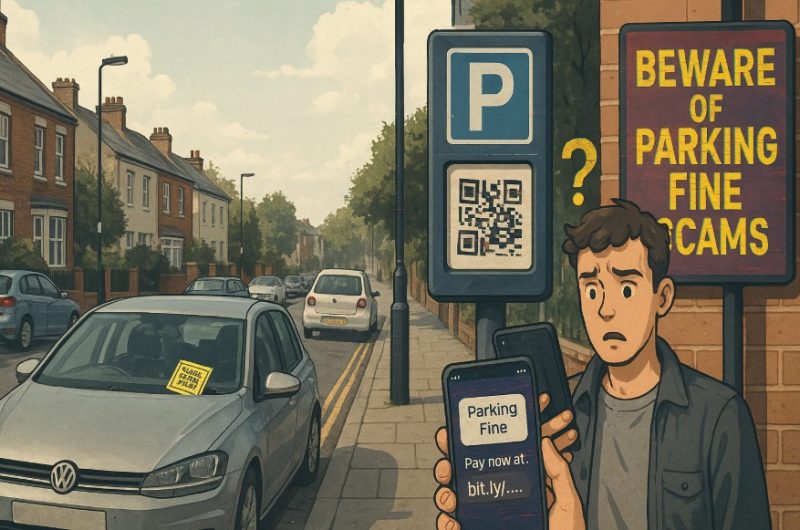
Parking fine scams are rapidly becoming one of the most deceptive threats facing UK motorists. Fraudsters are using increasingly convincing tactics to trick you into paying fake penalties, often through QR codes or alarming text messages.
These scams are targeting everyday drivers in council car parks and private spaces across the country. Understanding how these scams work, what signs to look for, and what to do if targeted is essential for your safety and financial protection.
This blog will guide you through every aspect of parking fine scams so you can spot, avoid, and report them confidently.
What Are Parking Fine Scams and How Do They Work?
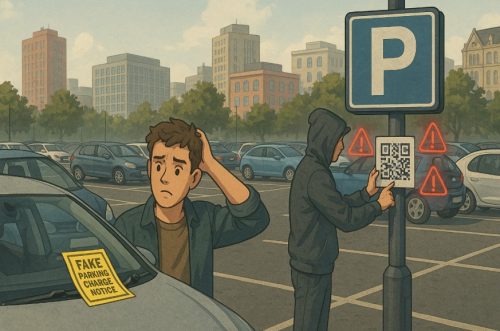
Parking fine scams are fraudulent schemes that aim to make you believe you’ve received a legitimate penalty notice. These scams are designed to look authentic by mimicking official documents from councils or agencies.
You may receive a fake ticket on your windscreen or a message on your phone asking you to pay an outstanding fine. Scammers use logos, formatting, and threats of prosecution to pressure you into paying quickly.
Some even create realistic websites or mobile links that imitate genuine payment portals. Others go as far as placing QR code stickers over official signage, directing you to malicious websites.
Once you input your card or personal details, scammers gain access to your funds or data. These methods are becoming more advanced, making it crucial to know how they function to avoid falling victim.
Are Parking Fine Scams on the Rise?
Yes, parking fine scams are increasing significantly across the UK. In 2025 alone, there has been a notable spike in scam reports involving QR codes, phishing text messages, and cloned parking notices.
Both the DVSA and local councils have issued multiple warnings to the public, noting a trend in the sophistication of these schemes.
The growing use of mobile devices and digital payment methods has opened the door for fraudsters to exploit common behaviours.
Scammers use fear and urgency, warning of fines doubling, car bans, or court action to push quick reactions.
This rise correlates with similar international patterns, such as those recently reported in Alicante, Spain, indicating a wider, more coordinated effort behind these frauds.
How Can You Tell If a Parking Fine Is Fake?
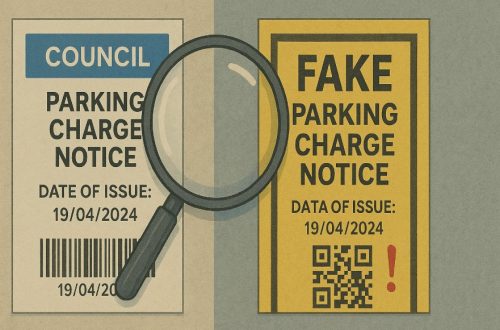
Identifying a fake parking fine starts with checking the details. Genuine penalty notices come with consistent formatting, official logos, and legitimate contact details.
Scam tickets often contain typos, generic greetings, or unusual wording. If you’re directed to a suspicious link or QR code, that’s a red flag.
Take extra caution if you’re asked to pay immediately or face exaggerated consequences. Most UK councils never demand payments via text message or unverified websites. It’s also important to verify if the issuing authority even manages fines.
Common Signs of a Scam Parking Ticket
Here are some typical indicators to watch for:
- The notice contains spelling or grammatical errors.
- You’re asked to scan a QR code to make a payment.
- The ticket uses phrases like “your car will be banned” or “you will be prosecuted.”
- There is no official barcode or council reference.
- The website linked does not start with “.gov.uk” or an official domain.
- Payment is requested through unfamiliar apps or wallets.
Scam tickets may appear under your wipers just like a real fine but always check the sender, references, and method of payment.
Why Do QR Code Parking Scams Look So Convincing?
Scammers have become skilled at mimicking authentic signage and placing QR code stickers in public parking areas. These codes may be plastered over legitimate council signs or placed on fake notices that resemble parking penalties.
When scanned, the QR code opens a website that imitates council or private operator portals, tricking you into entering sensitive details.
Because QR code payments are now widely accepted, many drivers assume these stickers are part of an updated payment system. Unfortunately, these fraudulent codes often go unnoticed until someone realises they’ve been charged or had their information compromised.
Always verify the QR code by cross-referencing with the parking provider’s official website or using known apps like RingGo.
What Role Do Text Messages Play in Parking Fine Scams?
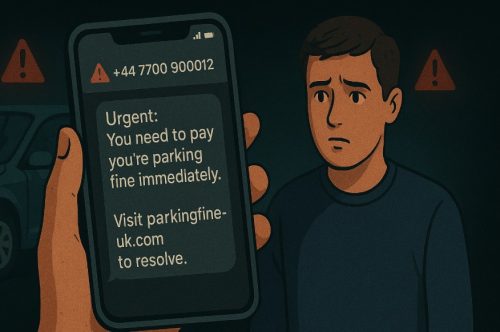
Text message scams are one of the most common forms of parking fine fraud in the UK. These texts typically alert you to an “urgent penalty” or “unpaid ticket” and include a link to a fake payment page.
Messages may threaten increased charges, driving bans, or court prosecution if you don’t act immediately.
These texts often pretend to be from DVSA or a similar authority. However, it’s important to note that DVSA does not issue or handle parking fines.
These messages are purely designed to scare you into clicking the link. Once there, scammers can steal your card details or infect your device with malware.
Always treat unsolicited texts about fines with suspicion, especially if they include shortened links or poor grammar.
Who Is Behind These Parking Enforcement Scam Texts?
These scams are typically orchestrated by organised fraud networks who use mass-messaging tactics to reach thousands of people at once.
The groups behind the fake DVSA messages, for example, are not based within any enforcement agency and use spoofed sender names to seem legitimate.
They often harvest data from leaked databases or use guesswork combined with scraped vehicle registration details to personalise messages. These criminals are often experienced in multiple forms of digital fraud, and parking fines are just one of their many schemes.
They operate from outside the UK or through untraceable numbers and domains, making them hard to track and prosecute. Public awareness and swift reporting are the most effective tools in fighting them.
Are UK Drivers More Vulnerable to Parking Fine Text Scams in 2025?
Yes, UK drivers have become more vulnerable in 2025 due to the increase in mobile-based parking services and a higher reliance on digital communication. The blend of urgency, official-sounding language, and legitimate-looking websites makes these scams highly effective.
Even tech-savvy drivers can fall victim when distractions are high or time is short. The evolution of QR codes and mobile links has added complexity, allowing scammers to mimic real platforms convincingly.
Which Regions in the UK Are Most Affected?
Some areas have experienced higher scam activity based on reported cases:
- Scotland: Particularly South Lanarkshire and Edinburgh
- London: Central zones with council-run parking
- Manchester: Areas near train stations and shopping centres
- Birmingham: Council car parks targeted by QR code fraud
- Brighton: Tourist-heavy car parks affected during weekends
These hotspots have prompted increased warnings from councils and local authorities.
What Are Authorities Like DVSA Saying About the Surge?
The DVSA has issued strong statements warning the public about scam texts falsely using their name. They’ve clarified that DVSA does not issue parking fines and would never request payment via SMS.
In addition, the agency has urged anyone receiving such messages to report them to the National Cyber Security Centre and avoid clicking any links.
The DVSA has highlighted several fake text examples that include urgent threats like prosecution, vehicle bans, or escalating fines. These warnings aim to educate the public and stop scammers before more victims are affected.
How Do Fake Parking Notices Differ from Legitimate Ones?
There are key differences between genuine parking tickets and scam notices. Real notices are issued by local councils or authorised private companies and include specific references, barcodes, and contact details. Scam tickets often rely on threats and urgency, without proper formatting or official branding.
Legitimate parking charges will not ask you to scan a QR code. Councils often use barcodes for verification and will offer multiple payment methods through secure channels. Here’s a breakdown:
| Feature | Genuine Ticket | Scam Ticket |
| Issued by | Local council/private firm | Unknown sender |
| Payment method | Website, pay station, RingGo | QR code, suspicious links |
| Language | Formal, legally compliant | Threatening, urgent, with typos |
| Logo and barcode | Accurate and traceable | Faked or missing |
| Response options | Contact info, appeal form | Immediate payment only |
Always compare your notice to samples on your local council’s website if unsure.
What Should You Do If You Receive a Suspicious Parking Fine?
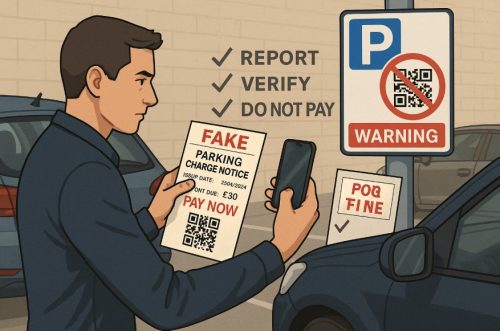
Receiving a suspicious parking fine can be alarming, especially with scams becoming more sophisticated. It’s important not to panic but act wisely and cautiously. Here’s what you should do to stay safe and avoid falling victim to fraud.
Immediate Actions to Take
- Avoid scanning QR codes: These codes may lead to fraudulent websites or install malware on your device.
- Do not click suspicious SMS links: Links in scam messages can direct you to fake payment portals that steal your information.
- Photograph the notice or message: This will serve as evidence if you need to report the scam or dispute a charge.
- Report the incident: Use Action Fraud at actionfraud.police.uk or contact Police Scotland directly.
- Visit official websites: Always cross-check with your local council or the parking provider’s official site before taking further steps.
- Protect personal information: Never share your details without confirming the source is legitimate.
Taking these actions helps protect not only you but others in your community. Report every incident to help stop these scams from spreading.
How Can You Protect Yourself from Car Parking Fraud?
Staying informed is key to protecting yourself from car parking scams. Scammers often rely on rushed decisions and lack of awareness, so the more you know, the safer you are.
Ongoing Prevention Tips
- Stick to trusted payment options: Apps like RingGo or official council portals offer secure ways to pay fines or parking fees.
- Avoid unverified QR codes: Unless the code is from a known and trusted source, don’t scan it.
- Inspect signage and machines: Look for fake stickers, overlays, or inconsistent designs that may signal tampering.
- Spread awareness: Talk to your family, especially elderly relatives, who may be more vulnerable.
- Keep your devices updated: Updated browsers and antivirus tools can help block phishing sites and malicious pop-ups.
- Save your payment proofs: Receipts or confirmation numbers are essential if you need to challenge a payment.
- Watch out for typos: Poor grammar and spelling are often signs of fraudulent messages or printed notices.
In today’s digital world, awareness is your first line of defence. Always take a moment to pause, verify, and think before responding to any parking fine notice.
Conclusion
Parking fine scams are no longer rare or simple, they’ve evolved into sophisticated operations targeting drivers nationwide.
Whether through fake text messages, misleading QR codes, or bogus paper tickets, fraudsters are using clever tactics to exploit everyday situations.
Recognising the signs of these scams and knowing how to react can save you time, money, and stress. As councils and the DVSA continue to raise awareness, your role in reporting and sharing this knowledge remains vital.
Stay informed, stay sceptical, and always verify before you pay.
FAQs About Parking Fine Scams
How do scammers usually obtain your vehicle or personal data?
Scammers may collect vehicle details from public parking areas or use data breaches and phishing tactics to gain your personal information.
Are there any mobile apps being used in parking scams today?
Yes, some fake apps mimic legitimate ones to steal payment details when drivers attempt to pay for parking.
Do scammers target older drivers more than others?
Older drivers may be more susceptible due to lower familiarity with digital fraud, though anyone can be targeted.
Can reporting a fake fine help stop the scammers?
Yes, reporting helps authorities track down scam trends and alert the public, potentially reducing further incidents.
Is there a legal consequence if you accidentally pay a scam fine?
You won’t face legal action, but it’s crucial to report the scam and contact your bank for recovery options.
How long does it take for authorities to investigate a scam report?
It varies, but cases are usually logged immediately and prioritised based on available evidence and fraud risk.
Are scammers using other platforms like email or social media?
Yes, besides texts, scammers are also using fake emails and social posts to impersonate authorities and request payment.