

In today’s fast-paced digital age, the food delivery industry is undergoing a major transformation, especially in the UK.
Dark kitchens, also known as ghost kitchens or virtual kitchens, are emerging as a disruptive solution for food entrepreneurs and restaurants alike.
These delivery-only facilities eliminate the need for dine-in areas, focusing purely on fulfilling orders through platforms like Deliveroo, Uber Eats, and Just Eat.
As the demand for takeaway and online food ordering rises, understanding the dark kitchen model becomes essential.
This guide walks you through the complete concept, setup process, legalities, costs, trends, and profitability of dark kitchens in the UK food sector.
What is a Dark Kitchen Business?
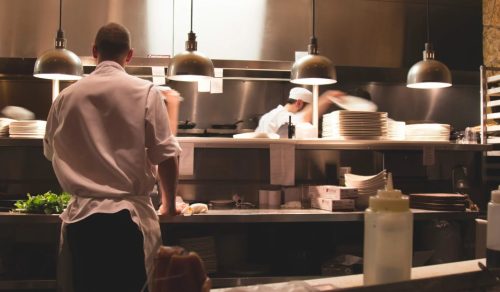
A dark kitchen business refers to a commercial food preparation unit that caters exclusively to delivery and takeaway orders.
These kitchens operate without a dining area or front-of-house staff, allowing food businesses to reduce costs and focus purely on production and fulfilment.
Unlike traditional restaurants, dark kitchens are designed to streamline the cooking and packaging process, often serving multiple brands or concepts from a single location.
They rely heavily on third-party delivery platforms and are often set up in industrial areas or underused commercial properties.
With no customer-facing element, the priority is on efficient food prep, fast turnaround, and consistent quality.
In the UK, the dark kitchen model is becoming increasingly popular among startups and established chains looking to expand their reach without the overheads of a brick-and-mortar setup.
How Does a Dark Kitchen Differ from a Traditional Restaurant?
Dark kitchens represent a sharp departure from the conventional restaurant experience. Their primary objective is to serve online orders quickly and efficiently, with no customer interaction on-site.
Key Differences
- No dine-in or customer seating area
- No servers or front-of-house staff
- Operate from hidden or remote locations
- Serve through third-party apps or own delivery systems
- Faster kitchen workflows tailored for packaging
Traditional restaurants, on the other hand, offer ambiance, table service, and customer engagement. The business model requires higher investment in décor, staff, and customer experience.
Dark Kitchen vs Cloud Kitchen
| Feature | Dark Kitchen | Cloud Kitchen |
| Visibility | Often hidden, no signage | Can be branded and visible |
| Ownership | Single brand or third-party | May host multiple brands |
| Technology Integration | Basic delivery setup | Advanced POS and analytics systems |
| Kitchen Sharing | Sometimes shared | Usually a shared kitchen facility |
Both terms are often used interchangeably, but cloud kitchens are often more technology-driven and built for scalability.
What Are the Key Dark Kitchen Business Models You Can Start With?
There are several proven business models within the dark kitchen ecosystem, each suited to different budgets and goals.
1. Independent Dark Kitchen
This model involves a single brand setting up a dedicated kitchen for online orders. It gives full control over operations but requires significant investment.
2. Shared/Commissary Kitchen
Multiple brands share one commercial kitchen space, reducing costs. Ideal for startups and small operators looking for flexibility.
3. Kitchen-as-a-Service (KaaS)
Operators rent kitchen space fully equipped and ready for cooking. This model is managed by third-party providers like Karma Kitchen or Foodstars, offering a plug-and-play solution for quick launches.
Each model comes with its own cost structure and operational setup, allowing businesses to scale efficiently based on their market strategy and goals.
What Are the Legal and Regulatory Requirements for Dark Kitchens in the UK?
To operate a dark kitchen legally in the UK, you must comply with several legal frameworks, primarily focused on food safety and business licensing. Ignoring these can result in fines or closures.
Key Legal Considerations
1. Licensing & Registration
- Register the food business with your local council at least 28 days before opening.
- Obtain a Food Hygiene Rating from the Food Standards Agency (FSA).
- Secure a premises licence if you intend to sell alcohol.
2. Hygiene & Safety Regulations
- Adhere to the Food Safety Act 1990.
- Ensure compliance with Natasha’s Law for allergen labelling on pre-packed food.
3. Planning and Zoning
- Check if a change of use application is needed (usually to “Sui Generis”).
- Ensure your kitchen has adequate odour and noise control in place.
4. Commercial Lease Terms
- Make sure your lease allows food preparation and delivery operations.
- Avoid locations with restrictions on trading hours or food-related use.
Meeting these requirements will help you launch and run your dark kitchen safely and legally.
How to Start a Dark Kitchen Business?
Setting up a dark kitchen in the UK requires thoughtful planning, strategic decisions, and a focus on efficiency and branding. Here’s a step-by-step guide to help you launch successfully.
Steps to Start
- Choose Your Model: Decide between a shared kitchen, Kitchen-as-a-Service (KaaS), or independent setup. Your choice should match your budget and goals.
- Register and Licence: Notify your council and register as a food business. Ensure you have all necessary hygiene and safety certifications.
- Create Delivery Menu: Build a menu with items that are easy to prepare, pack, and deliver. Prioritise food that travels well and keeps quality.
- Join Delivery Platforms: Collaborate with apps like Just Eat, Deliveroo, or Uber Eats. These platforms offer reach but charge commissions, plan accordingly.
- Build Online Presence: Create a strong brand through social media, a website, and local SEO. Online visibility drives orders and customer growth.
- Hire and Equip: Hire trained staff familiar with fast-paced cooking. Invest in kitchen tech and packaging for smooth, efficient operations.
By following these steps, you’ll set a strong foundation for sustainable success in the food delivery industry.
What Are the Startup Costs Involved in Launching a Dark Kitchen?

Startup costs for a dark kitchen in the UK vary depending on the business model and location. If you opt for a shared kitchen space, initial setup can begin from as little as £10,000, which covers basic access to an equipped space.
For those building an independent dark kitchen, the costs can range between £50,000 and £100,000 or more, depending on property, renovations, and kitchen equipment needs.
Main Expenses
- Commercial kitchen rent
- Equipment purchase and installation
- Utility setup (electricity, water, gas)
- Licensing and legal compliance fees
- Staff wages and training
- Branding and digital presence setup
- Packaging supplies and delivery logistics
Using a Kitchen-as-a-Service (KaaS) provider can significantly cut down capital investment, as the infrastructure is already in place.
However, entrepreneurs must plan for ongoing costs such as delivery app commissions, platform service fees, and monthly maintenance. Proper budgeting is essential to ensure smooth long-term operations and scalability.
What Technologies Power a Successful Dark Kitchen Setup?
Technology is the core driver behind a successful and scalable dark kitchen. With high-order volumes and fast-paced environments, efficient tech tools streamline operations, reduce delays, and enhance customer satisfaction.
From order management to delivery tracking, every stage benefits from digital integration.
Must-Have Technologies
- Order Aggregators: Centralise orders from platforms like Uber Eats, Deliveroo, and Just Eat.
- POS Systems: Simplify kitchen workflow and track order history across platforms.
- Inventory Tools: Monitor stock levels, reduce waste, and auto-update usage.
- Customer Analytics: Gain insights into buyer behaviour to optimise menus and promos.
- Delivery Management Software: Coordinate drivers and track real-time delivery status.
- Kitchen Display Systems (KDS): Live order updates for faster kitchen execution.
- Cloud-Based Dashboards: Manage multiple brands or sites from one interface.
Integrating these systems improves speed, consistency, and decision-making. In today’s digital-first food industry, the right tech stack is no longer optional, it’s essential for growth and customer retention.
Where Should You Locate Your Dark Kitchen for Maximum Delivery Reach?
In a dark kitchen business, location plays a key role in ensuring success. Unlike traditional dine-in setups that rely on high foot traffic, dark kitchens need to be strategically placed near areas with high delivery demand.
Proximity to your customer base helps reduce delivery times, lower operational costs, and increase satisfaction.
Best Practices for Site Selection
- Target urban or suburban areas with strong app-based food delivery activity
- Use delivery platform analytics to identify zones with high order volume
- Choose commercial or industrial areas with relaxed noise and odour regulations
- Look into shared dark kitchen hubs that offer ready-to-use infrastructure
- Prioritise locations with easy access for delivery drivers and suppliers
Choosing the right location can improve your brand’s delivery speed, reduce customer complaints, and streamline daily operations.
A well-placed dark kitchen can make the difference between consistent orders and limited reach.
What Are the Pros and Cons of Running a Dark Kitchen?
Before diving into the dark kitchen model, it’s important to consider both its advantages and drawbacks.
This setup offers flexibility and lower costs but comes with unique challenges. Understanding these can help you make informed business decisions.
Pros of Running a Dark Kitchen
- Requires lower upfront investment than traditional restaurants
- Enables faster setup and easier scalability
- Allows flexible menu changes and branding experiments
- Reduces fixed costs thanks to smaller operational spaces
Cons of Running a Dark Kitchen
- Lacks direct customer interaction and in-person brand presence
- Relies heavily on third-party delivery platforms for orders
- Makes customer loyalty and repeat business harder to establish
- Offers limited control over delivery time and food quality
Ultimately, weighing these pros and cons can guide whether this model aligns with your goals, local competition, and appetite for financial risk.
How Profitable is a Dark Kitchen Business in the Current Market?

With the UK’s food delivery market projected to exceed £12 billion by 2025, dark kitchens are positioned at the intersection of rising demand and smart opportunity.
These delivery-only kitchens can yield profit margins between 15% and 25%, especially when scaled efficiently.
Brands that adopt multi-brand strategies and use well-planned kitchen layouts often achieve higher returns. Shared kitchen spaces also help reduce overheads, offering revenue potential without the burden of full ownership.
However, high commission fees from third-party delivery platforms can significantly impact profits. To combat this, many successful dark kitchen businesses create their own ordering platforms and invest in customer retention.
Focusing on repeat business and reducing reliance on external platforms allows for more control and stronger margins. With the right strategy, dark kitchens can be a highly profitable venture in today’s fast-paced food delivery landscape.
Conclusion
Dark kitchens are reshaping the UK food industry by offering a flexible, tech-driven alternative to traditional restaurants.
With lower startup costs and higher operational efficiency, they are ideal for modern food businesses aiming to meet the demand for online food delivery.
From understanding the legal requirements to choosing the right business model and location, launching a dark kitchen requires a balanced approach.
As the sector continues to grow, this model offers both established brands and newcomers the chance to innovate, scale, and thrive in a digital-first market.
FAQs About Dark Kitchen Business
What licences do I need to run a dark kitchen in the UK?
You’ll need to register with your local authority, obtain a food hygiene rating, and secure additional licences if you plan to sell alcohol.
Can I convert my existing restaurant into a dark kitchen?
Yes, by removing dine-in services, adjusting kitchen workflows, and registering for delivery-only operations, you can convert a restaurant into a dark kitchen.
How does food quality control work in a dark kitchen setup?
Food quality is maintained through standardised recipes, real-time order monitoring, and packaging that preserves temperature and presentation.
Do customers know they’re ordering from a dark kitchen?
In many cases, customers are unaware, especially if the kitchen operates under a unique virtual brand on delivery platforms.
What insurance cover do I need for a ghost kitchen?
You’ll typically need public liability, employer’s liability, equipment cover, and possibly product liability insurance.
Are dark kitchens environmentally sustainable?
They can be, especially when operators use local suppliers, reduce waste, and choose eco-friendly packaging materials.
Can multiple brands operate from one dark kitchen location?
Yes, many dark kitchens support multi-brand operations, allowing different concepts to share resources and infrastructure.