

Menopause, a natural biological process marking the end of a woman’s reproductive years, often brings about a cascade of changes. For many, these changes include unwelcome “weight” gain, particularly around the abdomen.
If you’re navigating this transition and feeling frustrated or confused about your changing body, know that you’re not alone.
This guide aims to empower you with evidence-based strategies for managing your weight and embracing a healthy, fulfilling life during and after menopause.
Navigating the Change: Menopause and Your Weight

Menopause is officially defined as the time when a woman has not had a “period” for 12 consecutive months, typically occurring in the late 40s or early 50s1.
This marks a significant shift in hormone production, primarily a decline in oestrogen. Besides the cessation of menstruation, common symptoms include hot flashes, night sweats, sleep disturbances, mood changes, and, of course, weight changes2.
This blog will provide practical, evidence-based strategies for healthy weight management, focusing on a holistic approach that encompasses diet, exercise, stress management, and “sleep”.
Remember, this is about more than just the numbers on the scale; it’s about embracing overall health and well-being during this new chapter of your life.
The Hormonal Roller Coaster: Understanding the Connection
The hormonal changes during menopause are often described as a rollercoaster, and understanding these fluctuations is key to managing weight effectively.
Oestrogen’s Role in Weight Regulation
Oestrogen influences various metabolic processes, including fat storage and muscle mass4. It helps maintain insulin sensitivity, ensuring that the body effectively uses glucose for energy rather than storing it as fat.
Declining oestrogen levels can lead to insulin resistance, increasing the likelihood of weight gain.
Metabolic Slowdown – Fact or Fiction?
Many women believe that metabolism inevitably slows down during menopause, leading to unavoidable weight gain. While some decline in metabolic rate can occur, it’s not the sole determinant of weight changes.
Research suggests that the decline in metabolic rate during menopause is often less significant than previously thought.
Nourishing Your Body: Diet for Menopause Weight Management
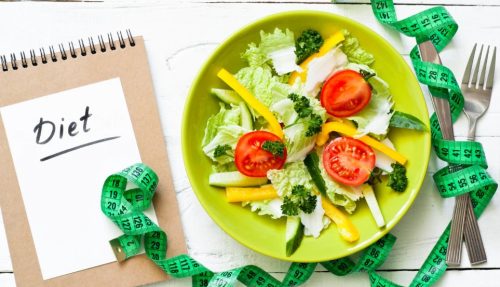
A well-balanced diet is paramount for managing weight and overall health during menopause. Focus on nourishing your body with wholesome foods that provide essential nutrients and support hormonal balance.
The Menopause Diet: What to Eat (and What to Limit)
Embrace whole-foods, plant-based approach, emphasising nutrient-dense foods such as fruits, vegetables, lean protein, and whole grains.
- Fruits and Vegetables: Aim to consume at least five servings daily. These are packed with vitamins, minerals, antioxidants, and fibre, which promote satiety and overall health.
- Whole Grains: Provide sustained energy and fibre. Choose whole grains like brown rice, quinoa, oats, and whole-wheat bread.
Fibre is vital for satiety, blood sugar control, and gut health. Good sources include fruits, vegetables, whole grains, and legumes.
Protein Power: Maintaining Muscle Mass
Adequate protein intake is crucial for preserving muscle mass during menopause. Muscle tissue burns more calories at rest than fat tissue, so maintaining muscle mass can help boost metabolism and prevent weight gain.
Good protein sources include:
- Lean meats (chicken, turkey, beef)
- Fish (salmon, tuna, cod)
- Poultry
- Beans and lentils
- Tofu and tempeh
| Food | Protein Content (per 100g) |
| Chicken Breast | 31g |
| Salmon | 20g |
| Lentils | 24g |
| Tofu | 8g |
| Greek Yogurt | 10g |
Hydration and Menopause: Why It Matters?

Staying well-hydrated is essential during menopause. Lack of hydration can impact metabolism, energy levels, and overall health. Try to consume at least eight glasses of water each day.
Moving Your Body: Exercise for Menopause Weight Loss and Well-being
- Exercise is a cornerstone of weight management and overall well-being during menopause.
The Benefits of Exercise Beyond Weight Loss
- Exercise offers numerous benefits beyond “weight loss”, including improved mood, better sleep, reduced stress, and increased bone density.
Listening to Your Body: Avoiding Injury
- Listen to your body and take rest days as needed. Incorporating proper warm-up and cool-down routines can help reduce the risk of injuries.
Sleep and Menopause: The Restorative Power
- Getting enough sleep is crucial for maintaining a healthy weight and overall well-being. Set a consistent sleep schedule and develop a calming nighttime routine.
Conclusion
Navigating menopause can feel like traversing uncharted territory, especially when faced with unexpected changes like weight fluctuations. It’s easy to feel overwhelmed, but remember this: weight management during menopause is achievable.
By embracing a holistic and evidence-based approach, focusing on nourishing your body, staying active, managing stress, and prioritising sleep, you can take control of your well-being.