

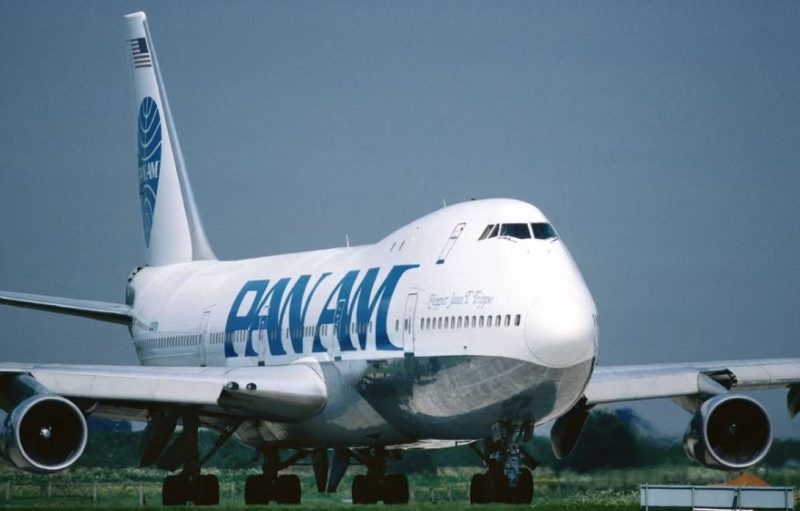
When did Pan Am go out of business? This question marks the end of an iconic era in global aviation. Pan American World Airways, better known as Pan Am, revolutionised international air travel with its luxurious service, innovative technologies, and ambitious global network.
Founded in 1927, it became synonymous with elegance and progress in the skies. However, a combination of financial struggles, rising competition, and unfortunate events led to its eventual collapse.
Pan Am ceased operations in December 1991, leaving behind a legacy of innovation and lessons for modern airlines. This blog explores Pan Am’s remarkable journey, from its pioneering achievements to its tragic downfall.
An Overview of Pan Am (Pan American Airways)
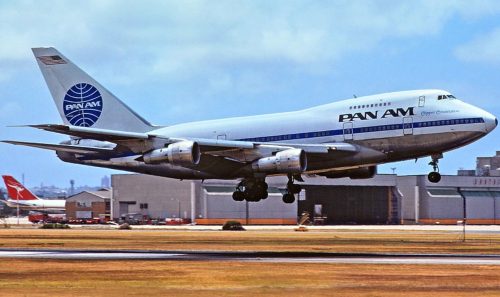
Image – Source
Pan Am, founded in 1927 by Juan Terry Trippe, began as a modest airmail service between Key West, Florida, and Havana, Cuba. This inaugural route marked the U.S.’s first scheduled international flight and laid the foundation for Pan Am’s expansive global network.
Under Trippe’s leadership, Pan Am rapidly grew, reaching a 12,000-mile route network by the end of 1929, connecting the U.S. with the Caribbean and Central and South America.
The airline’s fleet, known for its advanced aircraft, included the iconic Clipper flying boats. Pan Am was also the first U.S. airline to operate the Boeing 707 in 1958, demonstrating its commitment to innovation.
The airline was renowned for its exceptional service, with multilingual, college-educated flight crews offering gourmet meals and impeccable service, cementing Pan Am’s reputation as a symbol of luxury and sophistication in air travel.
What Were the Early Successes of Pan Am?
Pan Am’s early years were marked by groundbreaking achievements that set the airline apart. Some of its key successes included:
- 1936: Pan Am inaugurated the first transpacific flights, connecting San Francisco to Manila via the China Clipper, opening up new horizons for international travel.
- 1939: The airline introduced transatlantic flights, with the Yankee Clipper providing regular service between New York City and Lisbon, making distant destinations more accessible.
- 1947: Pan Am launched the first round-the-world flights, connecting major cities and further solidifying its leadership in international aviation.
In the post-World War II era, Pan Am continued to innovate by embracing the jet age. In the mid-1950s, the airline became the first to operate Boeing’s B-707 jetliner, setting new standards for speed and efficiency in air travel.
These early successes not only positioned Pan Am as a trailblazer in aviation but also played a significant role in the globalisation of air travel, making international journeys more feasible and appealing.
How Did Pan Am Revolutionize the Aviation Industry?

Pan Am’s influence on the aviation industry is profound, with several innovations that have left a lasting impact:
- Introduction of Jet Aircraft: Pan Am was the first airline to operate the Boeing 707, ushering in the jet age and significantly reducing travel times for passengers.
- Global Reservation System: The airline developed one of the earliest computerised reservation systems, streamlining bookings and setting a precedent for modern airline operations.
- In-Flight Services: Pan Am set new standards for in-flight comfort, offering amenities such as gourmet meals and entertainment, enhancing the overall passenger experience.
- Training and Safety: The airline established rigorous training programs for pilots and crew, contributing to improved safety standards across the industry.
These contributions not only advanced aviation technology but also transformed air travel into a more accessible and enjoyable experience for passengers worldwide.
What Happened to the Airline Pan Am?
Despite its groundbreaking contributions to aviation, Pan Am faced a series of challenges that ultimately led to its decline.
Financial Difficulties
Pan Am struggled with mounting debts and significant financial losses. Rising fuel costs and economic downturns only worsened its financial situation, making it harder for the airline to maintain profitability.
Operational Challenges
The airline’s extensive international network has become increasingly challenging to manage efficiently. This led to operational inefficiencies, as Pan Am found it challenging to streamline its services across various global routes.
Competitive Pressures
The emergence of new airlines and changes in the regulatory environment further intensified competition. These factors eroded Pan Am’s market share, as other carriers were able to offer more competitive pricing and services.
These combined pressures, along with internal struggles, ultimately led to Pan Am’s downfall.
Why Did Pan Am Begin to Struggle Financially?

Pan Am’s financial troubles were a result of both internal mismanagement and external challenges. One major issue was its over-reliance on international routes, making the airline vulnerable to geopolitical and economic fluctuations.
Unlike its competitors, Pan Am lacked a strong domestic network, which could have provided stability during difficult times.
Key factors contributing to its financial decline included:
- Acquisition of National Airlines in 1980 for $437 million to strengthen its U.S. presence, which failed to generate the expected revenue.
- Rising fuel prices during the 1970s oil crisis, which significantly increased operating costs.
- Expensive infrastructure, including maintaining its flagship JFK Airport terminal, which added further financial strain.
In response, Pan Am sold valuable assets, such as its Pacific routes to United Airlines, to stay afloat. Ultimately, the airline’s inability to adapt to changing market conditions and increasing competition led to its downfall.
What Led to Pan Am’s Final Bankruptcy in 1991?
Pan Am’s final bankruptcy filing in 1991 was the result of a long series of financial, operational, and reputational setbacks. Despite efforts to streamline operations and sell off assets, the airline could not overcome its mounting debts and shrinking market share.
The Lockerbie bombing, the impact of the Gulf War, and increased competition from more agile carriers all played critical roles in Pan Am’s collapse.
In addition, the airline’s attempt to restructure its business by focusing on its remaining profitable routes failed to generate sufficient revenue.
By 1991, Pan Am was unable to secure the necessary financing to continue operations. The airline officially ceased its flights on December 4, 1991, marking the end of an iconic chapter in aviation history.
When Did Pan Am Go Out of Business?
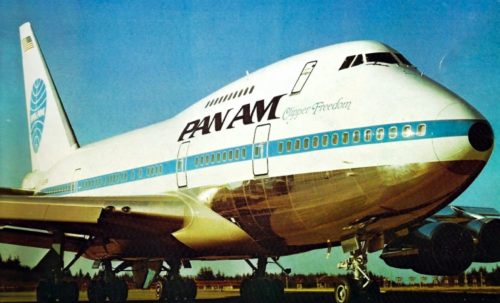
Image – Source
Pan Am’s decline culminated in the airline filing for bankruptcy protection on January 8, 1991. Despite efforts to restructure and overcome financial challenges, Pan Am struggled to stay afloat.
The airline was facing mounting debts, operational inefficiencies, and increased competition in an evolving aviation market.
After months of unsuccessful attempts to recover, Pan Am made the difficult decision to cease operations on December 4, 1991.
The closure followed years of financial losses, regulatory pressures, and a failure to adapt to the changing landscape of the airline industry.
The end of Pan Am marked the conclusion of an iconic era in aviation. For decades, Pan Am had been a symbol of luxury, innovation, and pioneering spirit in air travel, and its shutdown was a significant moment in commercial aviation history.
How Did the Airline Deregulation Act Impact Pan Am?
The Airline Deregulation Act of 1978 revolutionised the U.S. aviation industry by removing government control over routes and pricing. While the act aimed to foster competition and lower ticket prices, it created significant challenges for Pan Am.
Before deregulation, Pan Am thrived under government-imposed restrictions, which allowed it to dominate international routes.
However, with the removal of these controls, the airline faced intense competition from domestic carriers, which could offer lower prices and more flexible routes.
Pan Am, which heavily relied on international travel, struggled to adapt to the increasing demand for domestic flights.
The loss of its monopoly on international routes and the need to compete in a deregulated market put considerable financial pressure on Pan Am, contributing to its eventual collapse in the early 1990s.
What Role Did the Lockerbie Bombing Play in Pan Am’s Downfall?

The Lockerbie bombing on December 21, 1988, had a devastating impact on Pan Am. Flight 103, which was en route from London to New York, was destroyed by a terrorist bomb over Lockerbie, Scotland, killing all 259 people aboard, including 11 on the ground.
The bombing severely tarnished Pan Am’s reputation for safety and security, leading to a sharp decline in passenger confidence. The airline faced numerous lawsuits from victims’ families, draining its already fragile finances.
Additionally, the costs of implementing tighter security measures and adhering to new regulatory standards added significant financial strain. The bombing also exposed weaknesses in Pan Am’s security systems, sparking public criticism and further damaging its brand image.
Ultimately, the tragedy accelerated Pan Am’s financial decline and played a crucial role in its eventual collapse.
What Happened to Pan Am’s Assets and Brand After Bankruptcy?
After Pan Am ceased operations in December 1991, the airline’s assets were liquidated to pay creditors. Its most valuable assets, including international routes and aircraft, were sold to competitors.
Delta Air Lines acquired Pan Am’s prestigious European routes and its flagship terminal at JFK Airport in New York, while United Airlines purchased its Pacific routes, expanding its global presence.
These sales marked the end of Pan Am’s dominance in international aviation. Despite its closure, the Pan Am brand has been revived in various ventures, including a regional airline and railway service, but none have been able to recapture the airline’s former glory.
Today, Pan Am’s name remains a nostalgic symbol of aviation’s golden age, still cherished by aviation enthusiasts for its pioneering spirit and luxury.
What Is Pan Am’s Legacy in Modern Aviation?

Pan Am’s legacy in modern aviation is marked by innovation and transformative ambition. The airline revolutionised international air travel by introducing the first transatlantic and transpacific flights, making global destinations more accessible.
Pan Am’s adoption of the Boeing 707 and the development of computerised reservation systems set new standards for efficiency and passenger experience.
Beyond its technological advancements, Pan Am’s iconic branding and high-quality service created a lasting blueprint for modern airlines. Its pioneering spirit, commitment to luxury, and focus on customer satisfaction reshaped the industry.
Although Pan Am ceased operations in 1991, its innovations and achievements continue to influence modern aviation, with airlines drawing inspiration from Pan Am’s successes and learning from its challenges.
Is Pan Am Really Returning to the Skies?
Pan Am, once the epitome of luxury air travel, is making a comeback in 2025. After ceasing operations in 1991 and filing for bankruptcy, the iconic airline is offering a 12-day private charter flight aboard a Boeing 757-200.
This exclusive journey will retrace the airline’s original transatlantic routes, departing from New York City on June 27 and visiting Bermuda, Lisbon, Marseille, London, and Foynes, Ireland, before returning to New York on July 9.
Tickets, however, come at a hefty price: $65,500 for solo travellers and $59,950 for couples. The price includes flights, accommodations, meals, beverages, and a swag bag. Only 50 seats are available, emphasising the exclusivity of the experience.
Despite not having flown in decades, nostalgia has kept Pan Am alive, with merchandise available in South Korea and plans for a Pan Am Experience restaurant in Los Angeles.
Conclusion
Pan Am’s story is one of both triumph and tragedy. From its pioneering days as a leader in global air travel to its eventual collapse in 1991, the airline left an indelible mark on the aviation industry.
Its groundbreaking achievements, such as the introduction of transatlantic and transpacific flights and its commitment to luxury and innovation, helped shape modern air travel.
Despite its financial struggles the challenges of deregulation, and the Lockerbie bombing, Pan Am’s legacy lives on.
Today, its influence is still felt, inspiring a new generation of airlines and aviation enthusiasts, keeping the spirit of Pan Am alive even years after its closure.
FAQs About Pan Am
When was Pan Am founded, and by whom?
Pan Am was founded in 1927 by Juan Terry Trippe, a visionary in the aviation industry.
What made Pan Am a leader in international aviation?
Pan Am’s extensive global route network, innovative technologies, and exceptional in-flight services made it a leader in international aviation.
How did Pan Am’s management contribute to its decline?
Pan Am’s decline was partly due to costly investments, such as the National Airlines acquisition, and its inability to adapt to market changes.
What were Pan Am’s most famous aircraft?
The Boeing 707 and Clipper flying boats were among Pan Am’s most iconic and widely recognised aircraft.
Were there any attempts to revive Pan Am after its closure?
Yes, the Pan Am brand was revived multiple times for different ventures, but none achieved significant success.
How did Pan Am shape the travel experience for passengers?
Pan Am introduced innovations such as first-class lounges, gourmet meals, and in-flight entertainment, setting new standards for passenger comfort.
What lessons does Pan Am’s story offer to today’s airlines?
Pan Am’s story highlights the importance of financial prudence, adaptability, and maintaining a strong domestic and international network.
Featured Image – Source
Disclaimer
The featured images used in this blog are not owned by the UK Business Magazine, the copyrights of these images belong solely to their respective owners.