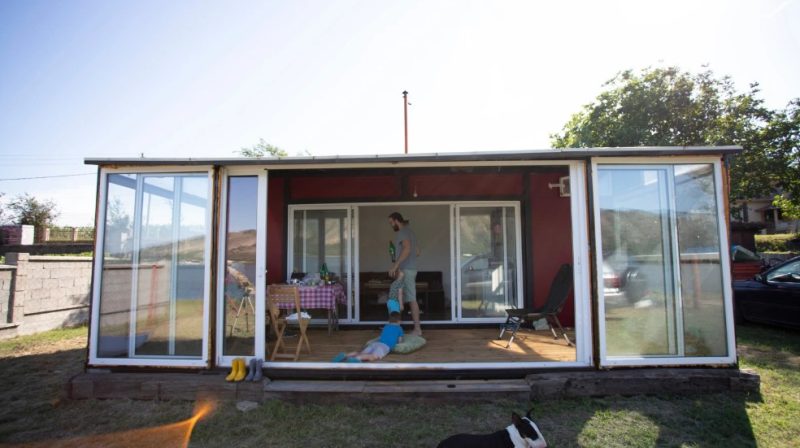
Thinking of downsizing to a container home? Maybe you’ve seen photos of sleek steel boxes turned into modern living spaces and wondered if it’s more than just styling.
This article walks you through the real pros and cons of living in a shipping container home with enough detail to help you decide if it suits your budget, climate, lifestyle, and legal landscape.
What Is a Shipping Container Home?
A shipping container home is a dwelling built by converting one or more shipping containers normally made from corten steel into living space. Containers are engineered for strength, durability, and mobility; they’re reused for homes because of these qualities, combined with the rising interest in sustainable, minimalist, and affordable alternatives to traditional housing.
These homes range from tiny single‑container units to multi‑container modular homes, often modified with insulation, windows, plumbing, and finishes to make them comfortable.
Recent articles note that container homes are gaining popularity due to their cost savings, speed of construction, and potential for environmental savings.
What Are the Pros and Cons of Living in Shipping Container Home?
The Pros of Living in a Shipping Container Home

Here are the advantages people frequently highlight:
1. Cost‑Effectiveness
- Since the basic structural shell is already manufactured, you save on framing and large‑scale structural materials. Studies and conversion guides show container builds often cost less than conventional homes especially when you use used containers.
- Fewer labor hours: because modifications can be prepared off‑site or done in a modular way, you avoid some of the drawn‑out timelines of a typical home build.
2. Faster Construction & Turnaround
- Many container home builds are quicker to complete. The shell exists; you’re filling in and converting instead of erecting from scratch. Builders report that small container homes can be ready in a matter of weeks (depending on design, local code, and finish choices).
- Less on‑site disruption (less concrete, less framing, fewer deliveries of raw lumber) can mean fewer weather delays, fewer scheduling conflicts.
3. Durability & Weather Resistance
- Shipping containers are designed for harsh environments: ocean voyages, storms, salt air, loading/unloading. Corten steel is used to resist corrosion, though over time protective coatings and maintenance matter a lot.
- They can withstand heavy snow loads (if roof reinforced), strong wind, and rough handling that would degrade many traditional structures.
4. Sustainability & Eco‑Potential
- Reuse of shipping containers reduces demand for new steel, framing, bricks, etc. It helps divert used containers from landfill or scrap, reduces embodied carbon relative to new builds.
- Smaller homes: Lower heating, cooling, material consumption; better compatibility with green features (solar, rainwater collection, off‑grid systems).
5. Modular Expansion & Flexibility
- Container units are modular they can be stacked, combined, expanded. If you start small, you can add more later.
- The shell is portable (though moving containers usually still requires heavy equipment). If built on skids or frames, mobility is more feasible. Some container‑home builds are prefabricated off‑site, saving more time.
6. Unique Aesthetic & Creative Freedom
- Steel, sharp lines, industrial style: Container homes offer a design aesthetic many find compelling. They tend to stand out.
- Interiors can be highly customized: Window placements, mezzanines, open layouts, green features. If you like unconventional design, a container home lets you experiment.
The Cons of Living in a Shipping Container Home
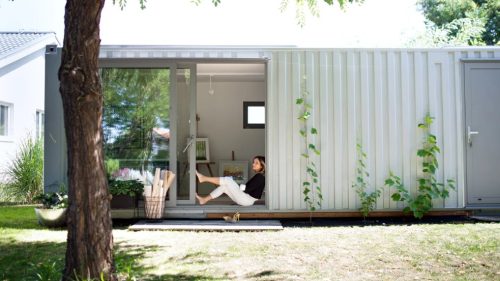
Of course, there are trade‑offs. Some things are harder, some cost more, some require careful planning. Here’s what to watch out for.
1. Insulation, Temperature & Climate Control
- Steel is a good conductor: Without robust insulation, container homes can overheat in summer, get very cold in winter. Poor insulation may lead to high energy bills or discomfort.
- Condensation issues: moisture inside can cause rust, mold, leaks. Ventilation, thermal breaks, proper insulation both inside/outside matter.
2. Limited Space & Interior Constraints
- Standard container width is around 8 feet: When you build insulation, wiring, structure, that usable internal width shrinks. Tall furniture or wide open spaces are harder.
- Layout flexibility is constrained: Large windows or door openings reduce structural integrity unless reinforced (expensive). Lofting designs, stairs, or ceiling height are limited by container dimensions unless using “high cube” containers or stacking.
3. Zoning, Permits & Code Challenges
- Many local building codes and zoning rules were created before shipping container homes became popular. Some areas don’t allow them, or require special permits, structural engineering reviews, safety inspections.
- Insurance, resale, and financing may be more difficult: banks and insurers may have limited familiarity or increased perceived risk.
4. Structural Modification & Maintenance Issues
- Cutting steel walls or roof for windows/doors weakens structure needs reinforcement. Welding, steel treatment, specialized labor add to cost.
- Rust over time is a serious concern, especially roof areas, joints, seams, if water accumulates. Protective coatings, regular inspections needed.
5. Source Quality & Health/Safety Concerns
- Used containers might have been exposed to chemicals, toxic coatings, pesticide treatments, or had cargo that leaves residue. Floors may contain lead or solvent residues. Testing and remediation may be required.
- Interior finishes (paints, flooring materials) also matter for indoor air quality.
6. Cost Surprises & Hidden Expenses
- While structural shell may be cheap, insulation, HVAC, windows, plumbing, electrical, finishes quickly add up.
- Transporting heavy steel containers, foundation work, crane rental, permit fees can escalate costs beyond expectations.
Is a Shipping Container Home Right for You?
Living in one can be fantastic but it depends heavily on your preferences, lifestyle, location, and budget. Consider:
- Climate: In hot, humid climates or extreme cold, insulation and climate control become big expense lines.
- Location & land: If you need a foundation, utilities, soil work, or are in an area with strict zoning, that can complicate matters.
- Lifestyle: Do you want open space? Entertaining? Multiple rooms? Container homes tend to favor compact living.
- DIY vs prefab: If you’re handy and want to take on more work, you can save; but quality control and safety are essential.
Where to Start?: Choosing the Right Container & Starting Build

Beginning well avoids many downstream problems.
- Decide new vs used vs one‑trip containers. Used may be cheaper but have more risk in condition and residues.
- Standard vs high cube (high cube has greater height, which helps with lofts or ceilings).
- Inspect for rust, structural integrity, previous cargo history.
If you’re considering building your own container home, the quality of the container you start with is crucial. Whether you’re looking for new, one‑trip, or used containers, choosing a reliable supplier can make all the difference in safety, durability, and ease of modification.
Universal Containers offers a wide range of high‑quality shipping containers suitable for residential conversion a great place to start if you’re looking for containers you can trust.
Practical Recommendations & Tips
Here are tips to maximize the pros and manage the cons.
- Invest in good insulation (spray foam, rigid board, or eco‑fibers) and ventilation.
- Use passive solar design: orient windows, use overhangs, shading to reduce heat gain.
- Design for expansion or modularity so you can add containers if needed.
- Plan for maintenance: rust protection, water drainage on roofs, proper sealing around joints.
- Use quality finishes and materials to ensure safe indoor air quality.
Conclusion
Shipping container homes are an intriguing alternative to conventional housing for many people they hit sweet spots in affordability, sustainability, durability, and comfort. But they’re not magic boxes: insulation, space constraints, regulations, and build quality matter a lot.
If you’re careful about choosing your container, thoughtful about climate control, mindful of legal requirements, and realistic about your lifestyle needs, a container home can be a compelling and personal choice. For some, they’re ideal. For others, less so.
The key is doing it with eyes wide open: knowing the trade‑offs, planning ahead, and building in quality. If you do, you could live with beauty, creativity, and purpose inside a box that tells a story.