

The demand for prescription weight loss medications has surged across the UK, but traditional healthcare pathways haven’t kept pace. NHS waiting times for specialist weight management services stretch into months or even years, while private obesity clinics can cost thousands of pounds.
This gap between demand and access has created space for a new model, regulated online pharmacies offering prescription medications through remote consultations.
The Scale of the Problem

Obesity affects 28% of UK adults, according to NHS England data. The condition costs the NHS approximately £6.1 billion annually in direct treatment costs, with the broader economic impact reaching an estimated £27 billion when factoring in lost productivity and sick leave.
For professionals managing demanding careers alongside health concerns, accessing specialist obesity treatment through traditional routes presents significant challenges.
GP appointments are limited, referrals to specialist services take months, and attending multiple in-person consultations requires time that many working adults simply don’t have.
The approval of new GLP-1 medications like Wegovy (semaglutide) has increased treatment options, but it’s also intensified the access problem.
Clinical trials demonstrated that patients lost an average of 15-17% of their body weight over 68 weeks, results that generated substantial public interest. However, the NHS’s capacity to prescribe and monitor these medications hasn’t expanded at the same pace as demand.
Enter the Online Pharmacy Model
Regulated online pharmacy services have emerged to address this access gap. Platforms like Curely operate under UK regulatory frameworks, are registered with the General Pharmaceutical Council, and employ MHRA-licensed prescribers to review patient consultations remotely.
The process typically works as follows, patients complete a comprehensive online health questionnaire covering medical history, current medications, weight-related conditions, and contraindications.
UK-registered pharmacists or prescribers review these consultations to determine eligibility based on MHRA licensing criteria, generally a BMI of 30 or above, or 27-30 with weight-related conditions like hypertension or type 2 diabetes.
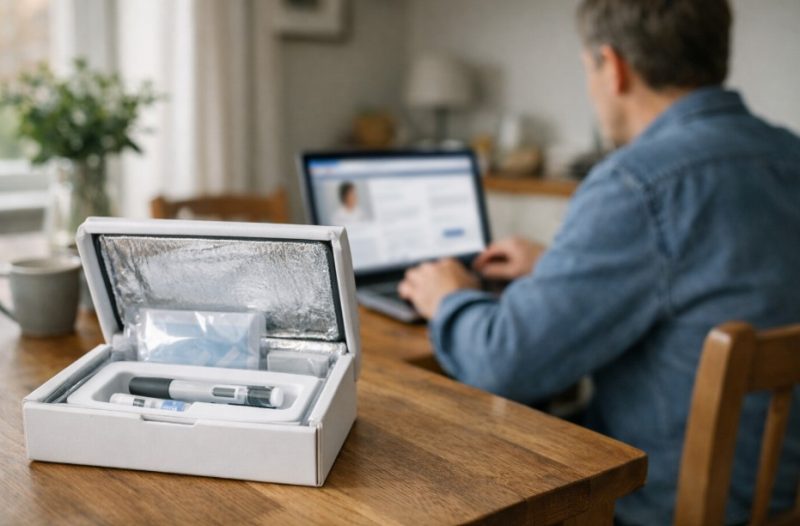
If approved, medication is dispensed in temperature-controlled packaging and delivered to patients’ homes. Most services include ongoing access to pharmacists via secure messaging systems, regular check-ins to monitor progress and side effects, and weight-tracking tools.
Pricing typically ranges from £200 to £ 300 per month, which includes the consultation, prescription, medication, and delivery. While not insignificant, this compares favorably to private obesity clinic fees that can exceed £2,000 for initial consultations and treatment plans, plus ongoing prescription costs.
Why Professionals Choose This Route?

Time efficiency drives much of the demand. A remote consultation takes 15-20 minutes to complete, versus multiple GP visits, specialist referrals, and in-person appointments that can span weeks or months.
For business owners and executives with packed schedules, the ability to access prescription treatment without disrupting work commitments holds significant appeal.
The medication itself, a once-weekly injection, requires minimal time investment compared to daily pills or more intensive interventions. The clinical support component also matters.
Reputable services don’t simply dispense medication, they provide pharmacist oversight during the adjustment period when side effects like nausea and digestive issues are most common. This monitoring helps patients manage symptoms and stay on treatment, which improves outcomes.
The Clinical Reality
Wegovy’s mechanism involves mimicking GLP-1, a hormone that regulates blood sugar and appetite. The medication works by slowing gastric emptying, reducing hunger, and helping patients feel full sooner.
Clinical trials showed average weight loss of 15-17% over 68 weeks when combined with lifestyle modifications, diet and exercise changes. However, the medication isn’t suitable for everyone.
Contraindications include personal or family history of medullary thyroid carcinoma, Multiple Endocrine Neoplasia syndrome type 2, and pregnancy. Common side effects include nausea, vomiting, diarrhea, and constipation, particularly during dose escalation.
Proper screening and ongoing monitoring are essential. Legitimate online services conduct thorough eligibility assessments and provide access to healthcare professionals who can adjust treatment or advise discontinuation if serious side effects occur.
The regulatory framework matters here. Services operating legally in the UK must be registered with the GPhC, employ MHRA-licensed prescribers, and follow clinical guidelines for eligibility and monitoring. Patients should verify these credentials before using any remote prescribing service.
Economic and Workplace Implications

From an employer perspective, obesity-related health issues impact productivity and healthcare costs. Research from the Association for the Study of Obesity indicates that employees with obesity miss an average of 4.3 additional work days per year compared to employees at healthy weights.
Some UK employers are beginning to consider how weight management support might fit into workplace wellness programs. While direct provision of prescription medications raises complex questions around medical privacy and equality, facilitating access to information about legitimate treatment options falls within standard wellness program scope.
The broader telemedicine trend, of which online pharmacy services are part, has grown significantly since the pandemic. NHS Digital data shows remote consultations remained elevated even after in-person services resumed, suggesting lasting changes in how people access healthcare.
What This Means for Healthcare Access?
The online pharmacy model represents a practical response to capacity constraints in traditional healthcare delivery. For conditions where treatment guidelines are clear and monitoring can be conducted remotely, this approach offers genuine efficiency gains.
However, it’s not a replacement for comprehensive obesity care. Weight management requires sustained lifestyle changes, dietary modifications, increased physical activity, behavioral support. Medication works best as part of a broader approach, not as a standalone solution.
The long-term question is how online and traditional healthcare services will integrate. Some NHS trusts are exploring partnerships with telemedicine providers to expand capacity. Others are developing their own remote consultation capabilities.
Regulation will likely continue evolving. The MHRA has already tightened rules around online prescribing to prevent inappropriate access to controlled medications.
Finding the right balance, accessible enough to serve patients with legitimate needs, restrictive enough to prevent misuse, remains an ongoing challenge.
Looking Ahead
The supply and demand imbalance for prescription weight loss medications isn’t likely to resolve quickly. NHS capacity expansion takes time, private healthcare remains expensive, and public interest in these treatments continues growing. Online pharmacy services fill a legitimate gap in the current healthcare landscape.
For working professionals who meet clinical eligibility criteria, have been unable to access treatment through traditional routes, and need the time efficiency of remote care, these services provide a regulated pathway to medications that can meaningfully impact health outcomes.
The key is ensuring quality and safety standards keep pace with the growth of this sector. Patients should verify regulatory credentials, understand the importance of honest health disclosure during consultations, and recognize that medication is most effective when combined with sustained lifestyle changes.
As telemedicine continues maturing, the line between online and offline healthcare will likely blur further. The current wave of online pharmacy services may represent not an alternative to traditional care, but rather the early stages of a more integrated, flexible healthcare delivery model that better accommodates modern working lives.