

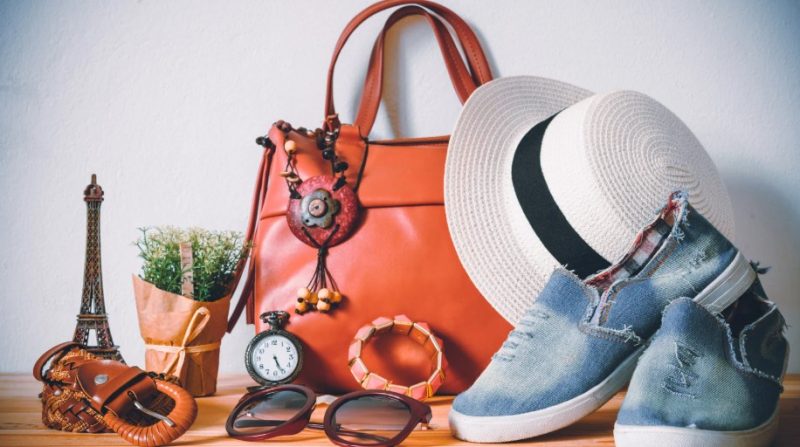
In the dynamic world of retail, fashion accessories present a promising opportunity for UK businesses seeking to enhance revenue and remain relevant in a fast-evolving market.
Accessories such as wholesale sunglasses, jewellery, bags, and scarves have become key revenue drivers as consumer tastes shift and trends cycle rapidly.
Keeping pace with accessory trends not only helps businesses capture new market share, but also enables them to adapt to the growing demand for personalisation and sustainability.
Understanding the UK Fashion Accessories Market
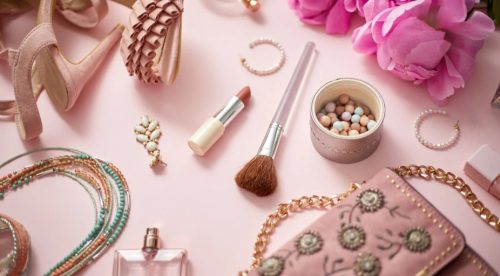
The UK’s fashion accessory market has shown resilience and adaptability amidst shifting consumer behaviour. According to recent reports, demand for stylish yet functional accessories continues to rise, particularly as social media and celebrity culture amplify trends almost overnight.
Accessories are no longer mere add-ons; instead, they have become central to personal style expression. This means that businesses, from high street retailers to independent boutiques, have significant incentive to monitor runway trends, influencer partnerships, and seasonal demands to anticipate what consumers will want next.
Retailers who keep a close eye on global fashion shows, street style, and digital influencers are better positioned to source or design on-trend products quickly.
This agility reduces the risk of holding obsolete stock and allows brands to tap into rising trends at the peak of consumer interest. Accessories with a distinctive identity: such as bold sunglasses, layered necklaces, or sustainable tote bags, can serve as affordable entry points for shoppers and boost sales without overhauling the entire product range.
Prioritizing Sustainability and Ethical Sourcing
Today’s UK consumers, especially Millennials and Generation Z, are paying closer attention to how products are made. They seek transparency, fair labour practices, and a reduced environmental footprint in the brands they support.
For business leaders, integrating sustainability into accessory collections is not just a matter of ethics, but also of financial strategy. Accessories often lend themselves well to sustainable approaches, as they can be produced with recycled materials, cruelty-free alternatives, or low-impact dyes. Sourcing accessories from suppliers that provide clear documentation on their practices further builds consumer trust.
Promoting the use of recycled metals in jewellery, biodegradable frames for sunglasses, or organic fabrics in hats and scarves caters to a growing eco-conscious segment in the UK.
By sharing the stories behind these products, retailers can enhance the perceived value and justify slightly higher price points. This focus on sustainability can also forge stronger customer loyalty, as many shoppers are willing to pay extra to support responsible brands.
Leveraging Technology and Omni-Channel Retail
The intersection of digital and physical shopping has reshaped how consumers discover and buy accessories. Brands that succeed today are those that create seamless experiences both online and offline.
Utilising robust e-commerce platforms, social media marketing, and in-store events can spark consumers’ interest in trending accessories, drive footfall, and increase average transaction value.
UK retailers benefit from investing in user-friendly websites, virtual try-on technology, and targeted digital advertising to connect with style-conscious shoppers where they spend their time.
Loyalty programmes and customer relationship management tools offer ways to gather insights on shopping habits, allowing retailers to personalise offers and anticipate buying patterns.
For example, analysing data on the popularity of products like bead jewellery, bucket hats, or oversized totes helps businesses decide which trends to back with promotional campaigns or limited-edition launches. A unified view of inventory across all retail channels further ensures that the latest accessory trends are consistently available, reducing missed sales opportunities.
Building Trend-Focused Collections and Engaging Customers
The fast turnover of accessory trends means timing is everything. UK retailers should focus on building collections that speak directly to current tastes: think layered chains, retro sunglasses, statement hair clips, and sustainable handbags.
Launching themed collections tied to relevant moments: summer festivals, wedding seasons, or Christmas gifting, can give shoppers a reason to visit both physical and digital stores. Collaborating with emerging designers or local artists is another way to differentiate collections and generate buzz on social media platforms.
Interactive marketing, such as online polls to decide new accessory colours or pop-up styling workshops, further increases consumer engagement and fosters community around the brand. These tactics are especially effective in the UK’s saturated retail environment, where standing out often comes down to how well a brand understands and connects with its audience.
Accessories offer unique storytelling opportunities and a platform for retailers to experiment with limited runs or shopper exclusives, thus fuelling urgency and excitement.
Monitoring Performance and Adapting Quickly

Success in the fashion accessories segment relies on close monitoring of market response and swift adaptation. Regularly tracking sales data, inventory turnover, and customer feedback provides actionable insights.
If a certain accessory does exceptionally well, businesses can scale up production or offer similar variations to extend the trend’s lifecycle. Conversely, for products that underperform, early markdowns or creative bundling can minimise losses and free up shelf space for new arrivals.
Participation in trade shows, engaging with buyer communities, and utilising trend forecasting tools keeps decision-makers ahead of shifts in consumer preferences.
In a highly visual category like accessories, even subtle changes in colour palettes or fabric choices can have an outsize impact on demand. Staying connected to both global trends and localised UK tastes enables retailers and brands to create a diverse yet harmonised product mix that stands out in a crowded marketplace.