

Ten years ago, workplace safety signs were just regulatory boxes to tick. Yellow warning triangles collected dust above fire extinguishers, and nobody gave them much thought until an inspector showed up.
But something interesting has happened in British businesses recently. Companies have started treating their signage as seriously as they treat their IT systems or machinery upgrades, and the results are worth paying attention to.
Find more information on workplace safety solutions and professional signage systems here, and visit to explore practical options suited to different industry needs.
How Safety Signage Transforms Workplace Culture in Modern Businesses?
The Hidden Psychology Behind Workplace Signs
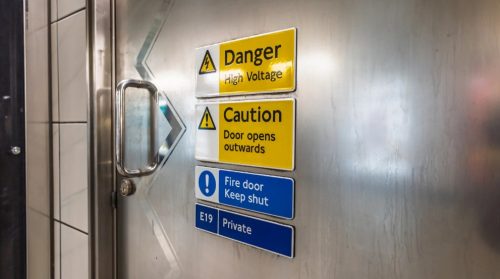
Research from Manchester’s manufacturing sector reveals unexpected patterns in employee behavior. Workers in facilities with new, properly maintained signage report higher job satisfaction levels during annual surveys.
The correlation appears straightforward: visible investment in safety infrastructure demonstrates organizational commitment to employee welfare. This visible commitment influences workplace culture in measurable ways.
Workplace safety researchers have tracked notable improvements in businesses that upgrade their signage systems. Accident rates tend to drop, sometimes by as much as a quarter, and staff retention improves noticeably.
One recent survey of UK manufacturing facilities found that workplaces with clear, modern safety signs had better attendance records, roughly one in five fewer unexplained absences compared to facilities with outdated signage.
Beyond Compliance: The Competitive Edge
Most business owners know they need proper signage to satisfy HSE requirements. But here’s what many don’t realize: good signage can actually save money. A Leicester distribution centre provides a useful example.
The company spent twelve thousand pounds updating their warehouse signage in early 2023, adding colour-coded areas and signs in Polish, Romanian and Urdu alongside English. Within half a year, mistakes in order picking had fallen by about a third, and new workers were getting up to speed almost twice as fast. The finance team calculated the improvements saved them forty-five thousand pounds that year.
The Technology Revolution Nobody’s Discussing
Sign technology has come a long way, though most people haven’t noticed. Take photoluminescent signs, they soak up light during the day and glow in the dark if the power fails, no electricity needed. Food processing plants are now using signs with special coatings that kill bacteria on contact.
These aren’t fancy extras anymore; they’re practical solutions that more businesses are choosing to implement ahead of any regulatory requirements.
Cultural Considerations Driving Change
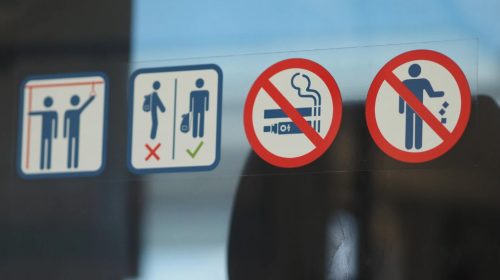
The makeup of British factory floors and warehouses has changed considerably over the past two decades. Polish, Romanian, and South Asian workers now make up substantial portions of many industrial workforces, particularly in the Midlands and Southeast. Standard English-language signs don’t work well for everyone anymore.
A Birmingham parts manufacturer replaced their written warnings with picture-based signs that follow international standards. Their accident rate among workers who speak English as a second language fell by nearly thirty percent in the first quarter after the change. Pictures and symbols work the same way for everyone, which means fewer misunderstandings and fewer injuries.
Making the Investment Count
Leading organizations implement systematic signage management protocols rather than ad-hoc replacement strategies. Quarterly audits identify deteriorating signs, confusion points, and coverage gaps before incidents occur.
Proactive replacement schedules maintain signage visibility and legibility standards. They replace signs before they become unreadable, not after. And importantly, they ask their workers for input about where signs are needed or which ones don’t make sense.
Safety signage used to be about avoiding fines. Now it’s about building better workplaces that run smoothly and keep people safe.