

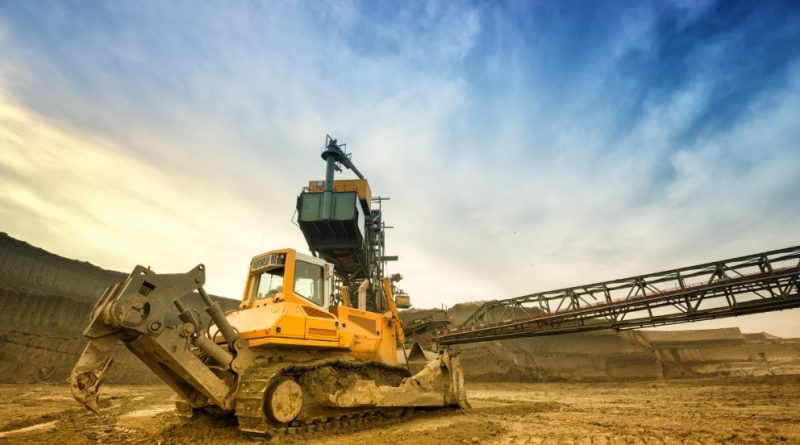
In the ever-demanding world of mining and quarrying, flexibility, speed, and efficiency are no longer optional extras. Modular aggregate processing equipment is rapidly becoming the preferred choice for forward-thinking operators looking to stay competitive in a fast-moving industry.
From crushing and screening to washing and material handling, modular systems offer a streamlined way to scale, adapt, and reduce downtime across a variety of mineral extraction environments.
How Is Modular Aggregate Equipment Reshaping Mining Practices?
Meeting The Changing Needs Of Modern Mining
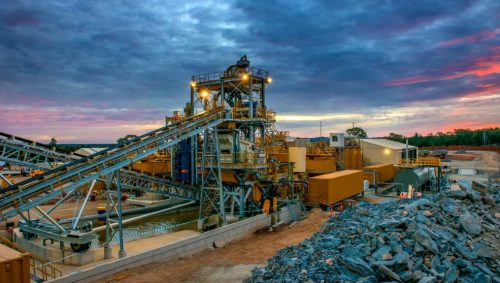
Traditional static (change to static) aggregate processing plants have long been the backbone of large-scale mining operations.
However, they often require significant upfront investment, extended installation time, and substantial civil works. In contrast, modular aggregate equipment is designed to be easily transported, installed, and configured.
Whether operating in a remote quarry or shifting between different mining locations, modular aggregate plants adapt to changing site demands without the disruption of conventional builds.
This adaptability allows mining companies to react swiftly to contract work, seasonal fluctuations, and shifts in material requirements. With less time spent on installation and more time spent producing, modular plants reduce project risk while increasing output efficiency.
Flexible Layouts For Dynamic Operations
One of the most compelling aspects of modular systems is the flexibility in layout and scale. Each module, be it a jaw crusher, cone crusher, screen, or wash plant, can be combined in a tailored configuration to suit the exact needs of the site.
This mix-and-match approach makes it easier for operations to evolve over time without the need for costly structural changes.
If an operation starts small and gradually expands, additional modules can be introduced without interrupting production. Conversely, for short-term projects or contract work, specific units can be hired or repositioned, limiting capital expenditure, reducing cost per ton rates, all while meeting tight timelines.
For businesses providing aggregate processing equipment for hire, this flexibility is particularly valuable. It allows for a rotating fleet of machinery that can be deployed quickly and assembled on-site with minimal fuss.
Speed Of Deployment And Reduced Downtime
Time is money in mining. Traditional plant builds can take several months to become operational, especially when terrain, planning, and foundations slow progress.
Modular plants, by comparison, are pre-engineered and pre-assembled, often arriving on-site (on low-loaders or) in containerised formats. Installation times can be reduced to weeks or even days, depending on the configuration.
This speed of deployment gives operators a tangible commercial advantage. Equipment can be brought in for fast-moving opportunities, emergency replacements, or urgent expansion.
Likewise, if servicing or maintenance is required, machines can be replaced temporarily, avoiding prolonged shutdowns and lost revenue.
In the long term, this agility not only improve ROI but also supports more sustainable operations by limiting the need for fixed, large-scale infrastructure in environmentally sensitive areas.
Supporting A Circular Approach To Equipment Use
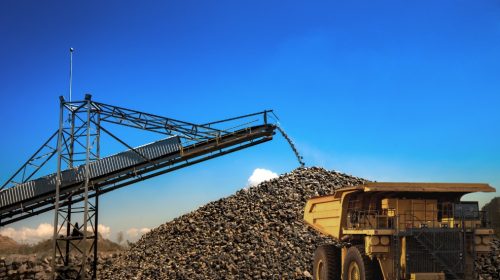
In addition to new installations, modular aggregate equipment fits naturally into the growing market for refurbished and used machinery. With the ability to buy, sell, and trade individual modules, businesses can better manage costs and avoid unnecessary waste.
Reputable providers of used equipment often refurbish individual units to near-new condition, providing a more accessible option for smaller or emerging operations.
When paired with modular systems, these used units can be slotted into existing configurations or deployed for short-term work, offering practical, low-risk ways to extend the life of mining fleets.
Contractors and service providers also benefit from this modularity. Rather than committing to a full plant purchase, they can invest incrementally or hire specific machines that meet their needs for the duration of a project. This makes it easier to fulfil a wider range of contracts without overcommitting on fixed assets.
Streamlining Maintenance And Servicing
Another advantage of modular setups is how they simplify maintenance and servicing. Since each unit operates independently, they can be isolated for inspection, repair, or upgrade without impacting the entire plant.
This compartmentalised approach minimises downtime, improves safety during repair works, and allows servicing teams to work more efficiently.
Modular systems are often designed with accessibility in mind, meaning routine maintenance tasks, such as screen media changes or belt replacements, can be carried out more quickly and with less disruption.
For operators offering servicing or support contracts, this also makes the equipment easier to manage across multiple sites and clients.
A More Sustainable Path Forward
Modular aggregate equipment is also helping the industry align more closely with modern environmental expectations. Because these systems require less permanent infrastructure and civil engineering, they reduce the disturbance to natural landscapes.
Many modular systems are designed with more energy-efficient motors, integrated water recycling for wash plants, and quieter operation, making them more suitable for sensitive or urban-adjacent sites.
In a sector increasingly under scrutiny for its environmental footprint, the ability to operate cleaner, quieter, and more efficiently is a game-changer for any business.
Conclusion
The shift towards modular aggregate equipment is not simply a passing trend. It reflects deeper changes in how the mining and construction industries approach flexibility, speed, and sustainability.
From quicker installation to easier maintenance, and from scalable expansion to smarter servicing, modular systems are helping operators do more with less.
Whether supplying new or used equipment, offering contract services, or supporting long-term clients, businesses in the aggregate equipment space are finding that modularity opens up new possibilities. In an industry where conditions change rapidly, modular setups are giving operators the tools to adapt and thrive.