


Local events in the UK play an important role in supporting economic development. These events consistently boost local economies by driving tourism, supporting jobs, and attracting regional investment.
Unlike abstract economic theories, local events provide visible, tangible results. They influence communities through job creation, spending, infrastructure development, and visitor engagement.
These events are some kind of engines for income, revitalisation, and financial stability in many towns and cities.
How Local Events Help the UK Economy Grow?
Cultural Events and Long-Term Growth

Cultural events can bring real, long-term value to local economies, especially when they’re well-planned and when they have strong backing. Bradford, the UK City of Culture for 2025, is a strong example.
The city is set to host hundreds of events over the year, from major performances to smaller, local exhibitions. While the kickoff was low-key, there’s still plenty of confidence in the programme’s potential.
Organisers expect millions of visitors, which could lead to around 6,000 new jobs, providing substantial employment opportunities for residents.
They anticipate attracting approximately 3.3 million additional visitors, potentially injecting nearly £140 million into the local economy.
For local authorities and national partners, it’s seen as a strategic push to boost tourism, improve infrastructure, and support economic growth across West Yorkshire.
Sporting Traditions with Economic Value
Cheltenham Festival continues to play an important role in Gloucestershire’s economy. It offers a boost to local businesses during the early part of the year. Hospitality, retail, and transport services all benefit from the steady demand the event generates.
In 2025, organisers introduced several updates aimed at making the experience more accessible. These included keeping ticket prices stable, expanding viewing areas, and launching a travel and accommodation initiative in collaboration with local providers.
These efforts reflect the festival’s ongoing relevance as a sporting occasion and as a consistent source of seasonal economic support for the region.
Economic Contributions of Equestrian Events in the UK

Equestrian events provide consistent economic value to communities across the UK. Newmarket offers a clear example, where major race days draw visitors from across the country, boosting footfall in hotels, cafés, and local shops.
In places like Newmarket, these events are connected to the area’s employment and business infrastructure. They generate seasonal work in training facilities, stables, logistics, and transport, while also benefiting surrounding hospitality and service sectors.
The UK’s horse racing betting industry also contributes significantly, thanks to its long history and well-organised structure. Major race days such as those held at Newmarket, Ascot, and Cheltenham are among the most well-attended sporting occasions in the country.
They also attract thousands of people from the UK and beyond who actively place bets, both online and at the track. The widespread engagement with betting further amplifies the sport’s economic impact and draws national and international attention.
Conferences and Business Exhibitions
Corporate events like conferences, trade shows, and exhibitions contribute directly to the strength and stability of the UK’s economy.
The UK Events Report 2024 estimates that business-related gatherings generate around £33.6 billion per year. This includes approximately £10.9 billion from exhibitions and trade shows, £16.3 billion from conferences and meetings, £4 billion through business travel, and £2.4 billion linked to incentive-focused trips.
These events generate direct economic benefits through venue bookings, equipment rentals, travel, and staffing. Cities like Manchester, Birmingham, and London continue to attract organisers seeking well-equipped venues with robust infrastructure.
The Global Britain Trade Expo is scheduled to take place on 29th May 2025 at London’s QEII Centre. It highlights the UK’s appeal as a prime location for international business gatherings.
City Infrastructure and Expansion Projects in 2025
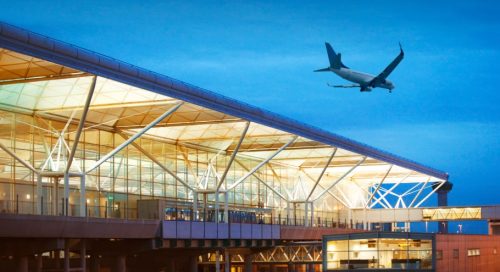
The approval of London Luton Airport’s expansion in early 2025 signals a clear effort to strengthen the UK’s infrastructure in support of long-term economic activity.
A second terminal is being added, alongside upgrades to existing operations and improvements to transport links like the extended DART rail system. These changes will better prepare the airport to accommodate increased international access.
Better travel connections will make it easier for both business travellers and tourists to reach their destinations. Events across the UK are likely to benefit from improved travel connectivity.
Projects like this show a clear focus on building the transport systems needed to support the economic value of large-scale gatherings in the future.