
Thousands of pensioners across the UK are now finding themselves at the centre of a major financial development. Over the past few years, increasing attention has been drawn to a large-scale issue surrounding State Pension back payments.
With growing media coverage and parliamentary involvement, many are left wondering if they might be among those affected. But what exactly are these back payments, who is entitled to them, and why did they happen in the first place?
This blog aims to break down the key facts behind the situation, helping you understand what’s going on and what steps you might consider if you think you’re involved.
What Caused the DWP State Pension Back Payments?
The DWP State Pension back payments stem from historic administrative failings. The issue first came to light in 2020 when it was discovered that thousands of pensioners, mainly women, were not paid the correct pension amounts.
Key problems included failure to apply pension uplifts upon a spouse’s retirement, not reassessing pensions after a partner’s death, and missing automatic increases after the age of 80.
These errors were the result of outdated IT systems, poor record-keeping, and complex rules associated with the old State Pension system.
Some cases also involved missing National Insurance (NI) contributions due to gaps in the Home Responsibilities Protection (HRP) scheme.
Together, these systemic issues led to some individuals being underpaid for decades. The DWP began investigating in January 2021 and continues reviewing cases to this day.
Who Has Been Affected by the DWP State Pension Back Payments?
The correction exercise conducted by the DWP identified specific groups most likely to be affected by State Pension underpayments.
The groups primarily include older women whose pension entitlements were miscalculated or not automatically updated. Here are the three major affected categories:
Category BL – Married Women
These women did not receive automatic increases to their pension when their husbands reached retirement age.
- Cases reviewed: 321,439
- Underpayments identified: 47,004
- Average arrears: £5,553
- Total repaid: £252.8 million
Category B – Widowed Women
Pensions were not reassessed to reflect inherited entitlements after a spouse’s death.
- Cases reviewed: 465,316
- Underpayments: 50,261
- Average arrears: £11,725
- Total repaid: £483.4 million
Category D – Women Over 80
These pensioners missed out on automatic entitlement uplifts after turning 80.
- Cases reviewed: 90,753
- Underpayments: 33,683
- Average arrears: £2,203
- Total repaid: £68.5 million
In some cases, individuals qualified for more than one category, and their cases were checked accordingly.
What Is the Home Responsibilities Protection (HRP) Issue?
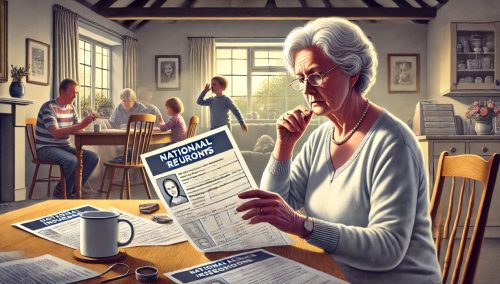
HRP was introduced in 1978 to protect the State Pension rights of parents and carers who took time off work.
However, between 1978 and 2010, many HRP records were not correctly added to National Insurance accounts due to missing NI numbers on child benefit claims.
This led to incorrect or reduced State Pension calculations for many individuals, mainly women now in their 60s and 70s.
As of September 2024, 5,344 cases have been reviewed through a correction exercise by HMRC, resulting in £42 million in back payments.
The average repayment stands at £7,859. It is estimated that around 210,000 people could be affected, with overall arrears ranging between £300 million and £1.5 billion.
Those affected by HRP errors can now check their eligibility and request NI record updates, enabling the DWP to reassess and correct their pension payments.
How to Check If You’re Owed DWP State Pension Back Payments?
Although the DWP is actively contacting many affected individuals, some may still fall through the cracks. If you think you might have been underpaid, it is crucial to verify your status.
Steps To Check
- Use Online Tools: Consultants like LCP have developed tools for married women and widows to check their potential entitlement.
- Review NI Records: Check your National Insurance record on the UK Government website to spot any HRP gaps or missing credits.
- Look Out for Letters: DWP and HMRC have issued hundreds of thousands of letters, particularly regarding HRP. If you’ve received one, act promptly.
- Contact the Pension Service: If in doubt, call or write to the Pension Service to request a review of your pension records.
Also, if you are the next of kin of someone deceased who may have been underpaid, you could be eligible to receive back payments on their behalf.
DWP has confirmed thousands of such letters have been sent, though many remain unanswered. Responding quickly is vital to ensure that entitled payments are not lost.
What Progress Has the DWP Made in Resolving the Issue?

Since the correction exercise began in January 2021, the DWP has made significant strides in identifying and repaying those underpaid.
As of March 31, 2025, nearly 131,000 underpayments have been addressed, amounting to over £804.7 million. Including previous HRP-related corrections, the total payout nears £929 million.
The DWP completed the majority of cases in the married women (Category BL) and over-80s (Category D) categories by December 2023.
However, due to additional documentation requests, widowed cases have seen extended timelines into 2025. HMRC continues its HRP exercise and expects to identify even more cases by 2027.
The government aims to complete all known correction efforts by March 2027. Despite notable progress, experts such as Sir Steve Webb have stressed the urgency of resolving outstanding cases to avoid further injustices, especially for women who were underpaid for decades.
What Steps Should You Take If You Think You’ve Been Underpaid?
Taking a proactive approach can make all the difference when it comes to claiming missed pension payments. While DWP is attempting to contact all affected individuals, errors may still go unnoticed without individual inquiry.
Steps To Follow
- Check Your Eligibility: If you’re a married woman, widow, or over 80 and retired before 2016, check whether your pension amount reflects your full entitlement.
- Request a Review: Contact the Pension Service by phone or in writing to ask for a formal review of your records. Have your National Insurance number and pension details ready.
- Use a Calculator: Tools like LCP’s calculators can estimate potential back payments based on your marital and retirement status.
- Act Quickly: If you’ve received a letter about underpayments, respond as soon as possible. DWP may close cases if no reply is received.
- Support for Estates: If a relative has passed away, and a back payment may be due, the next of kin or executor should reach out to the DWP promptly to initiate a claim.
By following these steps, you can ensure that any potential underpayments are identified and corrected in a timely manner.
Don’t wait, taking action now could secure the pension income you or a loved one rightfully deserve.
Conclusion
The DWP State Pension back payments saga reveals how systemic errors can lead to decades of underpayment for thousands, mainly women, who deserved better in retirement.
While more than £800 million has already been paid, the ongoing correction process serves as a stark reminder of the importance of transparency, efficient record-keeping, and proactive checks.
Whether you’re a pensioner, a surviving spouse, or a family member of someone who has passed, it’s vital to take action and confirm your entitlement.
Don’t wait to be contacted, understanding your pension rights today could lead to life-changing repayments tomorrow.
FAQs About DWP State Pension Back Payments
Who qualifies for DWP state pension back payments?
Mainly women who were married, widowed, or over 80, and whose pensions were previously miscalculated by the DWP system.
How much can someone get in back payments?
Amounts vary, but the average ranges between £2,203 and £11,725, with some pensioners receiving even more compensation payments.
Can back payments be claimed for deceased relatives?
Yes, next of kin or executors can apply on behalf of a deceased person by submitting relevant claim documents properly.
What is Category BL in state pension terms?
It refers to married women whose pensions were not increased when their husbands retired, despite meeting eligibility criteria.
What is the Home Responsibilities Protection issue?
It’s a record-keeping error affecting NI credits for parents who claimed child benefit before 2010, causing underpaid pension entitlements.
Is there a deadline for making a claim?
There is no fixed deadline, but responding quickly is recommended to avoid case closure and missing possible entitlement recovery.
How can I contact the Pension Service?
You can reach them via phone or post to request a record review or lodge a claim with appropriate identification details.