

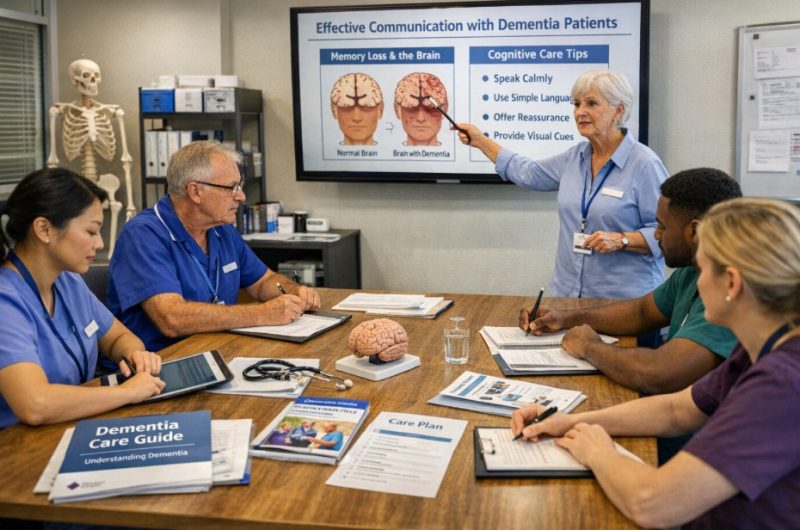
Running a modern healthcare organisation means preparing for one of the most significant demographic shifts of our time. As populations age, dementia is becoming a central challenge across hospitals, residential facilities, and community services.
If you’re responsible for managing staff, budgets, or service delivery, you’ve likely seen the pressure it places on teams and resources. That’s why investing in quality dementia care training is a strategic decision.
When you strengthen the knowledge and confidence of your workforce, you reduce risk, improve outcomes, and build a more resilient team.
Training doesn’t just benefit people living with Alzheimer’s disease and other conditions that involve cognitive impairment. It also transforms how your team works, communicates, and supports families.
Why Dementia Training Is Becoming a Strategic Priority?
Dementia is no longer a niche issue within healthcare. It now affects every part of the health system, from primary care clinics to assisted living communities and complex long-term care facilities.
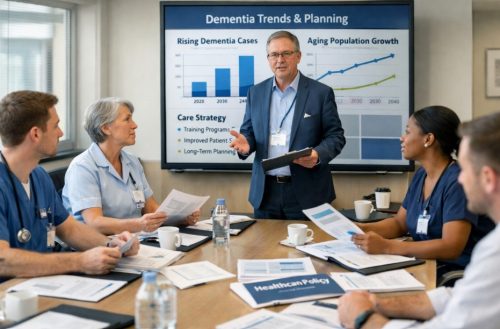
The scale of the challenge is growing rapidly. The latest government data cites that there are currently 944,000 individuals with dementia in the UK. This figure is expected to breach one million by 2030.
The rising dementia statistics mean healthcare organisations must rethink how they deliver supportive care for neurodegenerative conditions. Without structured dementia education, staff may struggle to recognise symptoms early, manage behavioural changes, or communicate effectively with families.
Formal dementia training programmes make a measurable difference. They strengthen skills around detection and diagnosis, assessment, and care planning. Organisations can ensure people receive appropriate support earlier.
Early recognition also helps teams coordinate services more effectively, reducing unnecessary hospital admissions and improving continuity of care.
Improving Outcomes Through Person-Centred Care
Specialised training is the key to person-centred care. This approach is supported by frameworks like the dementia care practice recommendations developed with guidance from organisations such as the Alzheimer’s Association.
These guidelines encourage care teams to look at the whole picture, medical needs, personal history, emotional wellbeing, and daily routines. Care providers should likewise be updated with emerging technologies and best practices.
It pays to explore reliable information from sites like frequencyprecision.com to know more about dementia care and essential healthcare devices. Resources like these help professionals discover innovations that improve monitoring, safety, and communication in dementia care settings.
When creating a therapeutic environment, even small adjustments can dramatically improve a person’s quality of life. Lighting changes, familiar objects, predictable schedules, and respectful communication help reduce anxiety and confusion.
For those delivering home- and community-based care or residential services, this philosophy also strengthens relationships with families.
Through better family engagement, relatives become partners in the care process rather than overwhelmed observers. The result is more compassionate, consistent, and effective quality care.
Operational Benefits for Healthcare Organisations
While the ethical argument for training is strong, the business benefits are equally compelling. Providers that invest in workforce development often see improvements across several operational areas.
Below are a few examples of how staff training strengthens service delivery:
- Stronger Care Coordination: Dementia often involves multiple professionals, nurses, therapists, physicians, and social workers. Training promotes better interdepartmental teamwork, helping teams share information and plan care together rather than working in isolation.
- Improved Clinical Consistency: Clear quality measures and structured learning ensure that every staff member follows similar standards of practice. This consistency becomes especially valuable in large facilities or multi-site home care service providers.
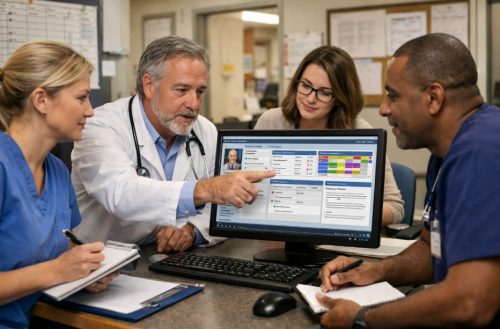
- Better Use of Health Information Technology: Training also improves documentation and communication through health information technology systems, allowing teams to track patient needs, medications, and behavioural patterns more effectively.
These operational improvements ultimately strengthen the reputation and sustainability of your brand. They also reduce costly inefficiencies across the system.
Strengthening the Long-Term Care Workforce
The demand for dementia expertise is rising alongside dementia prevalence, and that places enormous pressure on the long-term care workforce. Staff shortages, high turnover, and burnout are common challenges in facilities that support older adults.
Training helps address these issues in several ways. First, dementia specialist training gives professionals the tools they need to manage complex situations.
It forms a stronger sense of competence in dementia care staff. Nurses, aides, and home care workers feel more confident managing behavioural changes or communication difficulties.
Second, professional development opportunities contribute to career growth. Employees who receive advanced training often feel more valued by their organisation. This can improve retention rates, especially in assisted living and community support programs.
Finally, education helps reduce caregiver burden. With effective psychosocial interventions, they can respond calmly to challenging behaviours rather than feeling overwhelmed. Over time, this creates more supportive work environments, which benefit both staff and residents.
Flexible Workforce Opportunities in Dementia Support
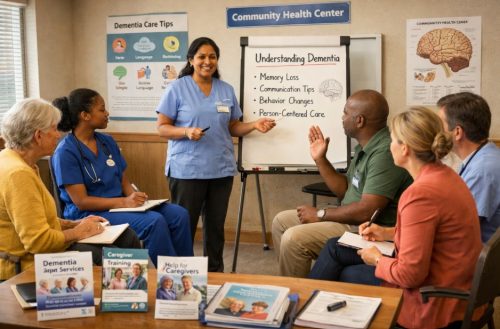
Dementia training may expand workforce flexibility. Skilled professionals can contribute across multiple care environments, including residential facilities, clinics, and community services.
They may support education programs, assist with community outreach, or provide mentoring to less experienced colleagues. In some cases, professionals even take on additional roles such as consulting or teaching within training programs.
These opportunities create additional pathways for healthcare workers while strengthening the sector overall. Part-time engagements provide an added income stream, such as assisting with caregiver education, leading workshops, or supporting community-based dementia programs.
The Long-Term Return on Training Investments
Investing in dementia education goes beyond meeting regulatory expectations. It prepares your organisation for the future. As dementia becomes more common, healthcare providers will need teams capable of delivering compassionate, coordinated, and evidence-based care.
Entities that prioritise training today will be better positioned to adapt to evolving service models and patient needs. The benefits ripple outward, from stronger care coordination to improved staff satisfaction and better experiences for families.
Most importantly, people living with dementia receive the dignity and support they deserve. In a healthcare landscape defined by rising demand and limited resources, training isn’t just an expense. It’s one of the smartest investments you can make.