


Turkey is one of those magical destinations that seems to have it all. From ancient ruins and stunning beaches to bustling bazaars and fairy-tale landscapes, this country truly offers something special for every traveler. But here’s the thing, picking the right time to visit can make all the difference between a good trip and an absolutely unforgettable one.
The weather varies quite a bit across different regions, and tourist crowds can change the whole vibe of popular spots. So let’s break down the best times to experience Turkey at its finest.
What Is the Best Time to Visit Turkey Throughout the Year?
1. Summer Offers Beach Bliss Along the Turkish Coast
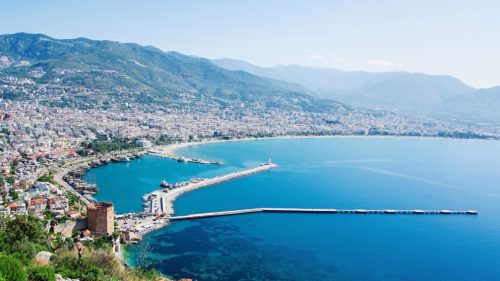
When summer rolls around from June to August, the Turkish Riviera comes alive. Beach lovers absolutely adore this season, with crystal-clear waters along the Mediterranean and Aegean coasts warming up to perfect swimming temperatures. Coastal towns like Antalya, Bodrum, and Fethiye buzz with energy during these months.
Many travelers opt for Turkey Travel Packages during summer specifically to enjoy the stunning beaches and water activities like sailing, diving, and island hopping. However, it’s worth noting that summer can get quite hot inland, Istanbul and Cappadocia often see temperatures above 30°C.
2. Spring Brings Perfect Weather and Blooming Landscapes
Spring, particularly from April to May, is honestly one of the sweetest times to explore Turkey. The weather during these months is just right, not too hot, not too cold.
Temperatures hover around a comfortable 15-25°C in most areas, making it perfect for walking through ancient cities like Ephesus or hiking the Lycian Way.
The countryside bursts into color with wildflowers, and popular destinations aren’t completely overrun with tourists yet. Plus, hotel prices are still reasonable compared to the summer peak season.
Spring also brings local festivals and celebrations, giving visitors a chance to experience authentic Turkish culture without the overwhelming crowds.
3. Autumn Delivers Comfortable Exploration Weather
September through October might just be the secret weapon for smart travelers. The scorching summer heat mellows out, but the weather stays beautifully warm and pleasant. This is arguably the ideal time for exploring historical sites and doing outdoor activities without breaking a sweat.
The crowds thin out significantly after school holidays end, meaning shorter lines at popular attractions and better photo opportunities. The autumn light creates gorgeous conditions for photography, especially in places like Cappadocia with its unique rock formations.
4. Winter Works Wonders for Specific Experiences
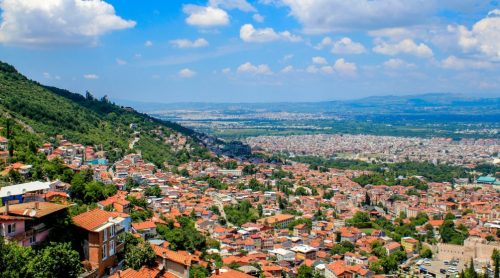
Winter in Turkey, from December to February, splits the country into different worlds. While coastal areas experience mild, rainy weather, ski enthusiasts head to mountain resorts near cities like Erzurum and Bursa for some excellent slopes.
Istanbul takes on a completely different charm in winter. Imagine exploring the Grand Bazaar and warming up with Turkish tea without the summer crowds.
This is also the most budget-friendly time to visit, with significantly lower accommodation rates and flight prices. Just remember that some coastal hotels and attractions close during these months, so a bit of planning goes a long way.
5. Shoulder Seasons Provide the Best Overall Value
The shoulder seasons of late March to early April and late October to November deserve special mention. These periods combine the best of both worlds, decent weather and fewer tourists. Prices drop compared to peak season, making luxury accommodations suddenly more affordable.
The locals have more time to chat and share recommendations since they’re not rushed off their feet. These quieter periods also mean authentic experiences at restaurants and shops that aren’t designed just for tourist crowds.
6. Festival Season Adds Cultural Richness to Any Visit
Turkey hosts incredible festivals throughout the year that can make any trip extra special. The Whirling Dervishes ceremony in Konya happens in December, while the Istanbul Music Festival lights up June with performances across the city.
Spring brings colorful tulip festivals in Istanbul, and summer sees countless outdoor concerts and cultural events in coastal towns. Planning a visit around these festivals offers deeper insights into Turkish culture and traditions that go beyond typical tourist experiences.
7. Hot Air Balloon Season in Cappadocia Has Ideal Windows
Cappadocia’s famous hot air balloon rides are possible year-round, but certain months offer better conditions. April through June and September through November provide the most stable weather with minimal wind and rain.
These periods see the highest success rates for flights, meaning fewer cancellations and smoother rides. The landscape looks stunning during these months too, spring wildflowers or autumn golden hues add extra magic to the already surreal scenery of fairy chimneys and cave dwellings.
Ramadan Timing Affects Travel Experience Significantly

Ramadan, the Islamic holy month, shifts dates each year based on the lunar calendar. During this period, many restaurants close during daylight hours, and the overall pace of life changes in more conservative areas.
However, this can also be a fascinating time to visit, with special evening meals called iftar and a unique spiritual atmosphere. Major tourist areas and hotels continue operating normally, but being aware of Ramadan dates helps travelers prepare and respect local customs during their visit.
Budget Considerations Change Throughout the Year
Travel costs in Turkey fluctuate dramatically based on season and demand. Peak summer months of July and August see prices jump significantly, especially in coastal resort areas where hotels can charge double or triple their off-season rates.
Booking during shoulder seasons like May or October offers substantial savings while still delivering great weather and experiences. Winter brings the biggest bargains, particularly in January and February, when even luxury accommodations slash prices to attract visitors during the quieter months.
Conclusion
Choosing when to visit Turkey really depends on what kind of experience sounds most appealing. Beach lovers might prefer summer despite the crowds, while culture seekers often find spring and autumn more rewarding.
Winter works perfectly for budget travelers and those interested in unique experiences. The beauty of Turkey is that it genuinely welcomes visitors year-round, each season offering its own special magic.
Consider personal preferences, planned activities, and budget constraints when making that decision. No matter when the trip happens, Turkey’s incredible hospitality, rich history, and stunning landscapes will create memories that last a lifetime.