
Every day, British businesses lurch forward, hungry for speed and reliability. The silent backbone isn’t just software or clever minds. It’s hardware, finer than most care to notice. Connectors. Not glamorous. Not headline-grabbing.
Yet here they are, linking systems in manufacturing plants, hospitals, and data centres. A loose cable causes the entire operation to teeter on the verge of collapse. Network strain and constant demand make advanced connector technology more important than ever.
Ignore it at your peril. When consistency is paramount, a business using outdated connectors invites chaos. So what separates today’s advanced connectors from the clunky relics of old?
4 Benefits of Advanced Connector Technology for UK Businesses
1. Precision Means Zero Downtime

Take a moment to consider technology providers in precision industries, such as LEMO, which often appear in discussions about high-spec sectors. The appeal is reliability, where every connection is designed to work without wobble or weakness.
Even a tiny mistake might cause costly delays or safety dangers on factory floors or in 24/7 labs. Durable connector technology prevents early wear, and rapid replacements save downtime when maintenance is necessary. A sturdy design could have prevented technical breakdowns, which no company wants to risk.
2. Speed That Keeps Up with Ambition
Now picture data transfer rates that rocket past yesterday’s limits, crucial for creative firms pushing 4K content or labs uploading terabytes in a blink. Old connectors groan under pressure.
Advanced ones skip straight ahead without complaint. Lightning-quick setups let projects hit deadlines early instead of sliding into last-minute chaos mode (the favourite playground of mediocrity). No CEO wants speed bumps sneaking into workflows when clients expect miracles by Monday morning and competitors wait to pounce on delays.
3. Toughness Built for the Real World
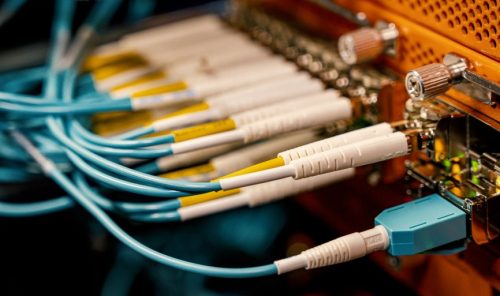
Try running a logistics company when everyday knocks threaten network cabling at every turn. Forklifts don’t apologise before clipping a connection loose.
Rugged connector designs laugh off dust, moisture, or unexpected impacts that would leave lesser components begging for replacement calls at odd hours of the night. Healthcare settings demand connectors immune to cleaning fluids or hurried handling by tired hands working late shifts. Failure isn’t an option when lives depend on unbroken signals between machines.
4. Flexible Growth Without Headaches
No growing business likes bottlenecks caused by inflexible infrastructure design. Today’s connectors must adapt as operations shift direction overnight due to market whimsy or regulatory curveballs that no forecast predicted last year.
Modular connector systems seamlessly integrate into expanded networks, eliminating the need for new wiring marathons every quarter. This is a welcome relief for IT leaders worldwide who struggle to connect new sites without having to rewrite their job descriptions in frustration.
Conclusion
Businesses that are embracing this trend understand that dependable connections are now essential. They’re a fundamental strategy in disguise, preventing disruptions everyone dreads but nobody admits until it’s too late, and apologies won’t cut it with customers gone elsewhere out of patience.
The smartest firms have stopped treating connectors as afterthoughts. They’re investing in technology designed not only for today’s challenges but primed for whatever tomorrow might hurl through the door next week before breakfast arrives cold yet again.