


A Market That Rewards Preparation
Vietnam keeps coming up in conversations about where UK companies should be looking next. Manufacturing, tech outsourcing, consumer goods – the interest is real.
But here’s the thing nobody tells you upfront: the trip lives or dies on logistics, not ambition. Wrong visa. Misjudged traffic. No local contact on the ground. Any one of those, and the pitch deck doesn’t matter much.
The good part? None of it is actually hard. You just need to know it before you land, not after.
Visa Rules UK Professionals Actually Need to Know
Most first-timers get tripped up right here, so let’s be precise about it. UK passport holders can currently enter Vietnam visa-free for up to 45 days – tourism, short business trips, either works – under a waiver running until March 2028.
Staying longer than that, or making multiple entries? The 90-day e-visa is your route, and it processes online in a matter of days rather than weeks.
One catch worth flagging before it catches you: this exemption doesn’t cover everyone holding a British passport. BNO holders need an e-visa regardless of how long they’re staying – no exceptions there.
And if you’re the type flying to Vietnam several times a year, business visas currently top out at a 3-month multiple-entry format, and that requires sponsorship from a company already based in Vietnam.
There’s no annual option on the table yet. Frustrating if you were hoping for something simpler, but worth building into the planning rather than discovering it two weeks before a trip.
A handful of smaller details matter too. Passport needs six months’ validity left, plus two blank pages – check that before booking, not at check-in.
And travellers landing at Ho Chi Minh City’s Tan Son Nhat Airport now need to complete a Digital Arrival Card, a separate step introduced alongside the e-visa system this year. Easy to miss if nobody mentions it.
Getting Around Once You Land
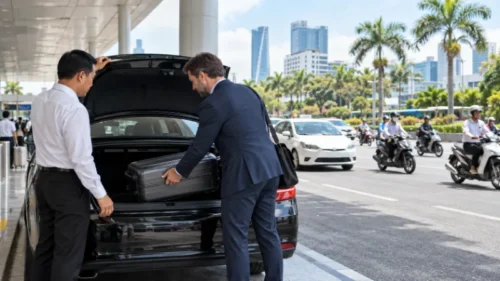
Hanoi and Ho Chi Minh City don’t run on Western timetables – motorbikes rule the streets, and a five-mile trip can eat far more time than the map suggests. Ride-hailing apps handle short hops fine.
But for anyone juggling a multi-city schedule – a factory visit in Da Nang one day, a client meeting back in Ho Chi Minh City a few days later – relying on local transport arranged on the fly starts to feel risky.
Booking Vietnam rent a car ahead of time tends to be the smarter move for exactly this kind of itinerary; one less thing to sort out mid-trip, when attention should be on the meeting, not the taxi.
Domestic flights connect the big hubs quickly enough, sure. But add up the transfers, the check-in windows, the baggage faff – and sometimes a road route between nearby cities actually wins on time.
Worth doing the maths against your real schedule rather than defaulting to whatever feels familiar.
Local Expectations That Shape the Meeting
Business culture here leans formal, especially at first contact. A few things worth knowing before walking in:
- Arriving late without warning reads as disrespect, not just bad timing.
- Business cards get exchanged with both hands – and taking a beat to actually look at the card you receive matters more than people expect.
- Hierarchy shapes the room. Greeting the most senior person first sets the tone properly.
- Relationships tend to come before numbers. Jumping straight to the deal can feel rushed to a Vietnamese counterpart.
None of this requires becoming a cultural expert overnight. A bit of awareness goes a long way where directness isn’t the default.
Connectivity and Payments
Wi-Fi is solid across hotels, cafés and coworking spaces in the major cities – less reliable once you’re out toward smaller towns or industrial zones. A local SIM or eSIM, grabbed on arrival, beats depending on hotel networks for calls that actually matter.
On payments: cash still rules for taxis and smaller purchases, cards work fine at hotels and in formal business settings. Carrying some Vietnamese dong for the gaps in between just saves the hassle.
Final Thoughts
Strip away the guesswork, and this comes down to three things: sort the visa route early, leave realistic time between cities, and read the room in those first meetings.
UK professionals who plan around Vietnam’s actual rhythm – rather than assuming it mirrors home – tend to get more done, with fewer surprises along the way. The market isn’t going anywhere. Neither is the payoff for showing up ready.