

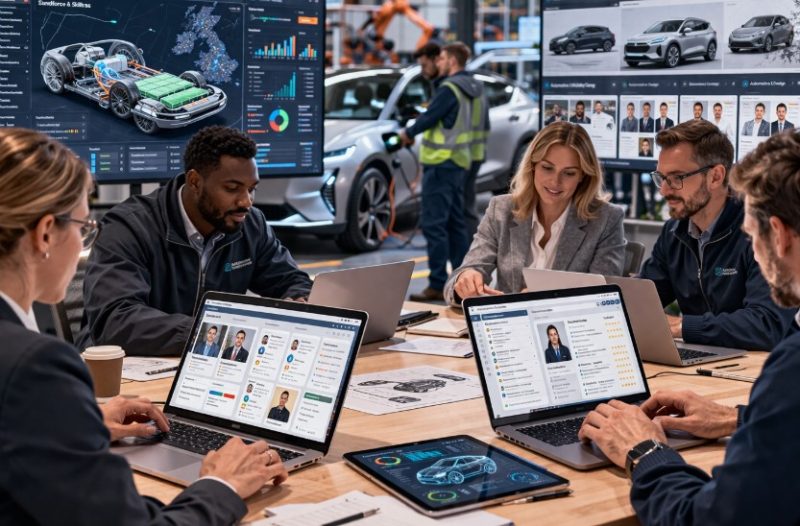
The automotive industry is changing fast and hiring is feeling the pressure. Electric vehicles, battery plants and software-led cars are reshaping what manufacturers need from their people. Roles that barely existed ten years ago are now in high demand.
At the same time, experienced technicians are retiring and new skills are in short supply. This is not business as usual for recruitment teams.
In this blog, we’ll look at what is driving these changes and how automotive hiring must adapt for the years ahead.
How Is the Future of Automotive Recruitment Changing with EV and Software Trends?
The Shift to Electrification and Green Skills
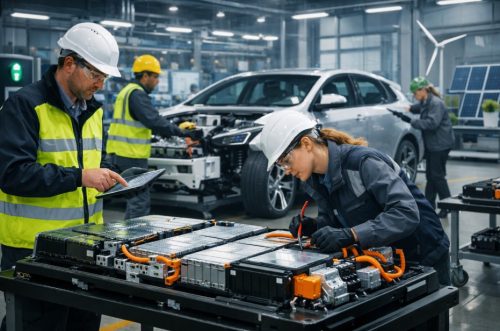
Electric vehicle production is rising and battery manufacturing is expanding across the UK and Europe. New gigafactories are creating roles that did not exist in traditional engine plants.
Employers now need electrical engineers, battery chemists and high-voltage technicians at scale. Sustainability leads and carbon specialists are also moving up the hiring list. This shift is changing what an automotive CV looks like.
Many existing employees need retraining to stay relevant. Mechanical knowledge still matters, but electrified systems require different expertise. High-voltage safety, battery diagnostics and power electronics are not bolt-on skills. There is a widening gap between legacy capabilities and what modern platforms demand.
The Rise of Software-Defined Vehicles
Cars are becoming software-led products rather than purely mechanical machines. Over-the-air updates, advanced driver assistance and connected services rely on code. That means embedded systems engineers and cloud specialists are in high demand.
Data analysts and cybersecurity experts are also vital as vehicles generate and process more information. The talent profile is shifting towards tech.
This creates competition with software firms and digital start-ups. Automotive employers are fishing in the same talent pool as fintech and big tech. Many candidates do not come from a traditional automotive background.
As a result, hiring managers are focusing more on skills than sector history.
Data-Driven and Skills-Based Recruitment Strategies
Recruitment is becoming more evidence-led. Workforce analytics and labour market data help businesses spot shortages early. Leaders can track which skills are declining and which are rising. That insight supports smarter workforce planning. It reduces guesswork and last-minute hiring.
There is also a shift away from rigid job titles. Competency-based assessment is gaining ground. Employers are asking what a person can do, not just where they have worked.
Skills mapping supports this approach and highlights future gaps. Many firms are partnering with a specialist automotive recruitment agency to access deeper market insight.
The Technician Shortage and Aftermarket Pressure
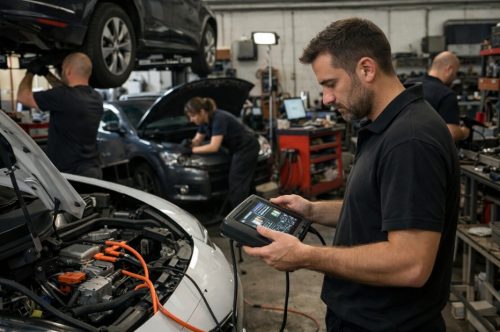
Whilst engineering roles grab headlines, the skills gap on the workshop floor is just as serious. Electric vehicles still need servicing, diagnostics and repair. Yet many technicians trained on combustion engines lack high-voltage qualifications.
Dealerships and independent garages are feeling that strain. The pipeline of newly qualified EV technicians is not moving fast enough.
Apprenticeships and accredited training routes are part of the answer. Employers must also think harder about retention. Experienced technicians are valuable and losing them sets businesses back.
Flexible Hiring Models and Project-Based Talent
Transformation projects are driving more short-term hiring. Battery launches, software rollouts and plant upgrades often need specialist input for fixed periods. That has increased demand for contractors and interim professionals. Permanent teams still matter, but they are being supported by project talent.
Workforce planning is becoming more forward-looking. Companies can no longer afford to hire only when gaps appear. Scenario planning and skills forecasting are moving into board discussions.
Leaders want visibility over future capability, not just current headcount. Recruitment is shifting from reactive activity to strategic planning.
Diversity, Employer Branding and Talent Attraction
The automotive workforce has long drawn from a narrow talent pool. That method no longer works. Employers need to attract women, career changers and graduates from digital disciplines.
Inclusive hiring practices are now expected, not optional. Clear job descriptions, fair screening and transparent pay structures make a difference.
Employer branding also carries more weight than before. Candidates compare automotive firms with tech and energy companies.
They want progression, stability and purpose. If career pathways are unclear, they will look elsewhere.
Final Thoughts
The future of automotive recruitment will not look like the past. Electrification, software and changing workforce expectations are reshaping hiring at every level.
Companies that plan ahead and invest in the right skills will stay competitive. Those that stand still risk falling behind.