

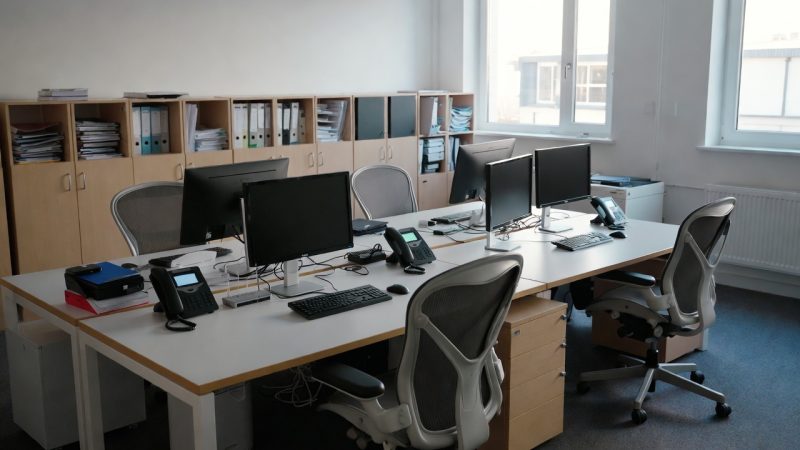
Most businesses rely on the same core types of equipment to operate day to day, regardless of industry. When these basics are missing or poorly chosen, small inefficiencies often turn into bigger problems over time.
This guide focuses on the essential equipment nearly all businesses need, why it matters, and how to decide what to prioritise first.
7 Top Equipment That Businesses Needs to Run Effectively
1. Workstations and Everyday Office Equipment
For many businesses, workstations form the foundation of daily work, and even roles that aren’t desk-based usually depend on computers for communication, scheduling, or reporting.

A reliable setup typically includes appropriate desks, supportive seating, and hardware that can comfortably handle daily tasks. Businesses often notice that poor workstation choices don’t cause issues immediately, but over time they can slow productivity and increase staff fatigue.
2. Technology and IT Infrastructure
Technology underpins almost every modern business process; from storing customer information to processing payments, dependable systems are essential.
At a basic level, most businesses rely on:
- Stable internet access
- Networking equipment such as routers
- Secure data storage
- Cybersecurity protection
Many growing businesses find that investing in dependable systems early makes expansion and remote working far easier later on.
3. Communication Equipment
Clear communication keeps teams aligned and customers informed. When communication tools are unreliable or inconsistent, delays and misunderstandings become more common.
Most businesses settle on a small set of tools for calls, messaging, and meetings. What matters most is choosing options that are easy for staff and customers to use consistently, rather than constantly switching platforms.
4. Safety, Comfort, and Compliance Equipment
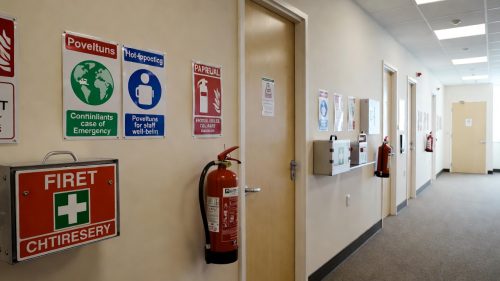
Safety is not something businesses can afford to overlook, as it affects staff wellbeing, customer confidence, and legal compliance.
Most workplaces require basic safety measures such as clear signage, first aid supplies, and fire extinguishers, alongside sensible access controls. These are simple items, but they play an important role in protecting people and minimising risk.
5. Storage, Furniture, and Space Organisation
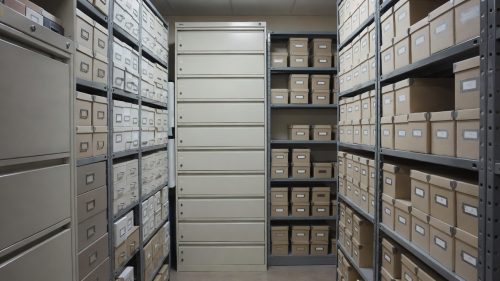
As operations grow, organisation becomes increasingly important, and messy spaces can really slow work and create unnecessary stress.
Many businesses benefit from:
- Practical storage solutions for documents and supplies
- Lockable cabinets for sensitive materials
- Thoughtfully planned shared spaces
Planning storage early makes it easier to adapt as teams and workloads increase.
6. Industry-Specific Equipment
Beyond the basics, every business has tools that are specific to its sector. Retail spaces may need display units and point-of-sale systems, while service-based businesses often rely on booking software or mobile devices. Trades require tools and protective equipment, and professional firms often need secure meeting spaces and specialist software.
Understanding these needs early helps avoid rushed purchases later on.
7. Maintenance and Continuity Planning
Equipment is only useful if it stays operational, and businesses that plan for maintenance and backups usually recover more quickly when issues arise.
This often involves having replacement hardware available, backing up data regularly, and scheduling routine checks on critical systems. Even simple preparation can prevent lengthy disruptions.
How to Prioritise Equipment When Starting or Growing?
Not every business can invest in everything at once. A clear order of priority helps manage costs without compromising operations.
A practical approach is:
- Equipment that directly supports revenue
- Items required for safety or legal compliance
- Tools that keep daily operations running smoothly
- Comfort and efficiency upgrades
This staged method allows businesses to stay functional while building towards long-term stability.
Making Personal Choices for Your Business
While businesses differ widely, the equipment they depend on follows the same principles: reliability, suitability, and long-term value. Choosing the right foundations early reduces disruption and supports steady growth.
Rather than chasing trends, most businesses benefit from selecting dependable equipment that fits how they actually work today, with room to adapt tomorrow.