Organising an event, whether a corporate gathering, live performance, or community celebration, requires more than planning schedules and logistics. Safety is a key priority. This is why business owners and organisers often ask questions such as:
- “Do I need professional event security for my event?”
- “What roles do trained personnel play in keeping an event safe?”
- “How can event security staff protect both guests and staff?”
- “What training is required for security personnel at events?”
These questions highlight the growing concern for safety at events of all sizes. Security professionals help ensure gatherings run smoothly, without disruption or unnecessary risk.
Why Trained Personnel Are Essential in Event Security?
What Event Security Actually Involves?
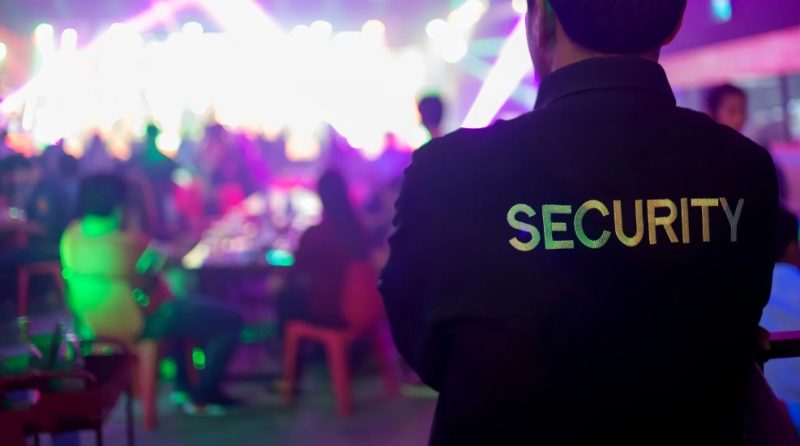
Event security is not just about preventing conflict at the door. It is a structured service that covers risk assessment, crowd management, access control, emergency planning, and incident response.
Trained personnel are positioned to anticipate issues before they escalate, keeping guests safe and protecting organisers from liability.
The scope of event security depends on the size and type of event. A small corporate seminar may need a handful of trained staff. At the same time, a large festival requires a detailed plan with security officers managing different zones, monitoring entrances, and coordinating with emergency services.
The Role of Trained Personnel in Event Safety
1. Risk Prevention and Deterrence
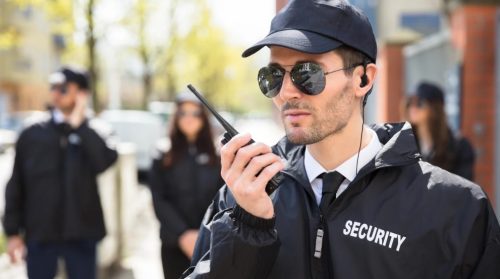
The visible presence of trained security personnel deters antisocial behaviour, theft, or attempts at unauthorised access. Many incidents are avoided simply because potential offenders recognise that professional staff are in control.
2. Effective Crowd Management
Crowds are unpredictable. Whether controlling entry points, managing queues, or ensuring that exits remain clear, trained event security staff maintain order in environments where large groups gather.
3. Emergency Response Preparedness
In fire alarms, medical emergencies, or evacuations, trained personnel are prepared to act immediately. Their response times and ability to manage crowds calmly reduce panic and ensure safe outcomes.
4. Protecting Reputation and Compliance
An incident at an event can cause long-term damage to a business’s reputation. Security staff also ensure compliance with licensing requirements, health and safety laws, and insurance obligations.
Legal Requirements for Event Security
Anyone performing security duties in licensed venues or public events in the UK must hold an SIA licence. This ensures they receive appropriate training in conflict management, first aid awareness, and safeguarding.
Hiring unlicensed staff exposes businesses to legal risks and potential fines. For organisers, compliance is as important as safety because failing to meet these obligations can result in penalties or cancellation of future events.
Situations Where Event Security Is Essential
- Corporate events: Shareholder meetings, product launches, or trade shows often require discreet yet effective security to protect guests and confidential information.
- Concerts and festivals: Large gatherings with thousands of attendees need structured crowd control, ticket verification, and emergency planning.
- Sporting fixtures: Security staff are critical for monitoring crowds and preventing disorder inside and outside the venue.
- Private functions: Security staff can help avoid gatecrashers and manage alcohol-related issues at weddings, charity balls, or community events.
- Political or high-profile events: VIPs and public figures need professional protection and controlled access to ensure safety.
Professional event security is no longer optional but essential if there is potential for disorder, overcrowding, or reputational damage.
Why Businesses Invest in Trained Personnel?
The financial and reputational risks of inadequate security are significant. According to the UK Home Office, more than 1.3 million incidents of violence were reported in England and Wales in 2023, with many linked to public gatherings.
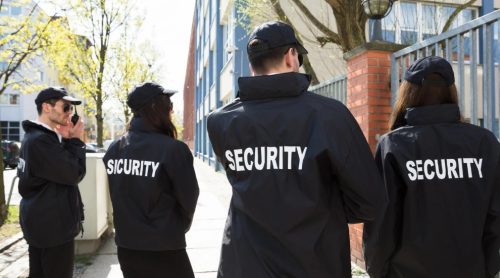
Trained security staff can reduce these risks by anticipating problems, maintaining order, and ensuring quick resolutions. This lets businesses and organisers focus on delivering a successful event, knowing that professionals manage safety.
Choosing the Right Event Security Partner
Not all providers deliver the same level of service. When selecting a company, businesses should consider:
- Licensing: Ensure all staff hold the required SIA licence.
- Experience: Providers with expertise across various event types are better equipped to anticipate risks.
- Communication: Clear reporting lines and coordination with organisers are essential.
- Adaptability: Security requirements differ by event type, so the provider must be flexible.
For example, event security from All Time Security offers fully licensed personnel trained to manage corporate, entertainment, and community events of any size. Their teams are prepared to handle big-profile functions and smaller gatherings equally professionally.
Conclusion
Event security is about much more than managing doors. Trained personnel protect guests, support compliance, prevent incidents, and safeguard reputations. For businesses, investing in professional security is a proactive measure that reduces risks and ensures events run without disruption.
Whether hosting a corporate conference, a festival, or a private celebration, security should be considered as vital as the venue or catering. Businesses that recognise this gain peace of mind and the confidence that their events will be remembered for the right reasons.
Frequently Asked Questions
Do I need event security for a small gathering?
It depends on the risks involved. If alcohol is served or if the guest list is large, professional security is recommended.
What qualifications should event security staff have?
All staff must hold an SIA licence. Many also receive additional training in first aid and emergency management.
How many event security staff are required?
Numbers vary depending on venue size, crowd capacity, and local authority requirements. Providers can carry out risk assessments to determine this.
Can security staff help with customer service?
Yes. Professional security staff often act as the first point of contact, greeting guests and providing directions while ensuring safety.