
The UK’s Driver and Vehicle Licensing Agency (DVLA) has introduced a range of changes for 2025 that affect thousands of motorists across the country.
These include new procedures for elderly drivers, online application enhancements, and an international agreement with Moldova. With many drivers unaware of how these updates may affect their licences, it’s essential to understand what’s changing and when.
From digital transformations to reciprocal agreements and renewal requirements, this guide provides a full breakdown of what UK drivers need to know to stay compliant and safe on the roads in 2025.
What Are the DVLA Driving Licence Changes Coming Into Effect?
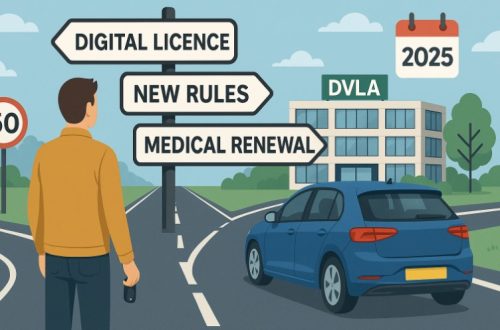
The DVLA is set to roll out several important updates in 2025 aimed at improving road safety, streamlining administrative processes, and embracing digital transformation.
These changes will influence a wide variety of driver categories and cover everything from medical renewals to international agreements.
Renewal Policy Adjustments
Drivers, particularly those over 70, will now be expected to renew their licences every three years. While this has been part of DVLA’s ongoing policy, there is renewed focus on ensuring timely renewals and up-to-date health declarations. There is no fee involved in the renewal process for those aged 70 and above.
Digital Licence Push
Paper licences are gradually being phased out. Drivers holding paper licences are encouraged to switch to the updated photocard versions, as upcoming updates may no longer recognise paper formats.
Online Modernisation
The online portal is receiving upgrades that will streamline the application and renewal process. Expect quicker application processing, better photo uploading, and stronger identity verification.
International Driving Licence Agreements
One of the most significant changes includes the introduction of simplified reciprocal agreements with specific countries such as the Republic of Moldova, allowing residents to exchange their foreign licences for UK equivalents without undergoing theoretical or practical driving tests.
How Will the Moldova-UK Driving Licence Agreement Impact Thousands?
This new agreement marks a significant milestone in the UK’s international driving licence recognition efforts. With around 18,000 Moldovan citizens residing in the UK, this change is set to benefit thousands who previously faced limitations on licence exchange.
- Simplifies the exchange process for Moldovan citizens residing in the UK
- No requirement for theory or practical driving tests
- Encourages better road compliance and legal driving activity
- Eases administrative burden for both DVLA and applicants
- Strengthens diplomatic ties with Moldova
The policy will also ensure that UK-issued licences are valid in Moldova, reinforcing the bilateral nature of the agreement and providing equal driving rights to British citizens abroad.
Who Signed the MoU and What Does It Cover?
The Memorandum of Understanding (MoU) was signed on 23 July 2025 by Lilian Greenwood, the UK’s Minister for the Future of Roads, and Ruslan Bolbocean, the Moldovan Ambassador.
The MoU signifies mutual acceptance of driving licences, facilitating smooth exchanges between the two nations. The agreement includes a provision that removes the need for knowledge or skills testing during licence exchange, provided all conditions are met.
It also underlines the UK’s commitment to inclusive immigration integration and regulatory efficiency.
What Are the Requirements for Moldovan Citizens to Exchange Their Licence?
Moldovan citizens must meet specific conditions to successfully exchange their driving licences for a UK equivalent.
These include:
- Must not have been UK residents for more than five years at the time of application
- Must apply within five years from the date of residency in the UK
- Must hold a valid Moldovan driving licence
- No disqualifications or suspensions on the record
- Documents must be submitted via DVLA-approved portals or postal forms
These simplified conditions are designed to ease transition while ensuring road safety and compliance.
What Does the Moldova-UK Licence Agreement Mean for UK Drivers?
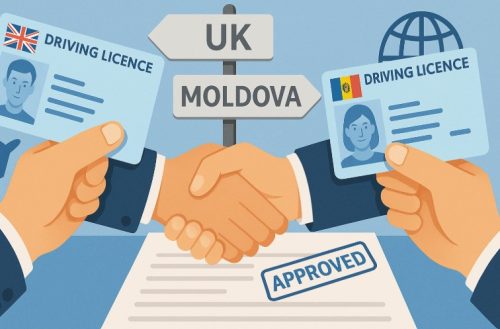
UK citizens who hold driving licences and intend to stay or live in Moldova can now legally drive using their UK-issued licences or exchange them without undergoing any further testing.
This development greatly benefits British expats, diplomats, and travellers, offering legal driving access without additional red tape.
The bilateral nature of the agreement promotes global mobility and recognises the high driving standards maintained in both nations.
It also serves as a diplomatic gesture of goodwill and respect toward Moldova’s growing ties with the UK, facilitating smoother transport integration and cooperation.
How Often Do Over-70s Need to Renew Their Driving Licences?
Drivers aged 70 or above are required to renew their driving licences every three years, according to DVLA policy. The renewal process ensures that elderly motorists maintain physical and cognitive health adequate for driving.
Upon reaching the age of 70, drivers receive a reminder from the DVLA, either digitally or by post. This reminder will contain instructions and the necessary D46P or D1 form for postal applications.
Online renewals are preferred and often processed faster. The driver must complete a health declaration but is not required to retake a driving test. If any new medical conditions have developed, they may need to undergo a professional assessment.
Failure to renew may lead to an invalid licence, making it illegal to drive. Ensuring timely renewals is crucial, not only to stay within the law but also to ensure the safety of all road users.
Will Drivers Still Be Able to Use Paper Licences in 2025?
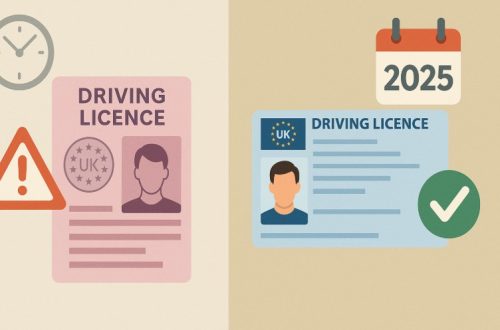
The UK’s DVLA is gradually phasing out paper licences in favour of photocard versions and, eventually, digital equivalents. While paper licences issued before 1998 are still legally valid, drivers are strongly encouraged to make the switch.
Those holding paper licences may find themselves limited in terms of online services or may encounter delays if the DVLA requests updated documentation.
A photocard licence is now considered standard, and most digital services provided through the DVLA portal cater only to these formats. For those travelling abroad, many international agencies and rental companies also prefer or require photocard licences.
Updating to the newer format ensures that drivers have full access to all digital and international driving services available in 2025.
Are Paper Driving Licences Still Valid in 2025?
Yes, paper licences remain legally valid if issued before 1998 and not expired. However, the DVLA advises switching to the photocard version for better compatibility with digital systems and identity verification.
Holding a paper licence may also create complications with overseas driving or car rental services. If personal details such as name or address change, the paper licence must be updated, which will result in a photocard being issued by default.
The photocard also provides an updated photo and security features that improve identity protection.
What Are the New DVLA Requirements for Driving Licence Renewals?
Renewing a driving licence in 2025 will involve new protocols and documentation for most age groups. The DVLA has streamlined the process to make it more accessible while enhancing safety and identity checks.
Required Information for Renewals
Applicants must provide the following:
- A valid UK passport number for photo updates
- National Insurance number
- Previous addresses from the last three years
- An email address for communication
- Details of any medical changes (if applicable)
Verification Process
Once submitted, the DVLA checks the medical information and may request further assessments if health declarations reveal any concerns. Licences are generally dispatched within three weeks, although delays can occur if more details are needed.
Free for Over-70s
There is no charge for licence renewals for individuals aged 70 or above. This ensures inclusivity and encourages older drivers to remain compliant with safety standards.
How Will the Online DVLA Licence Application Process Change?
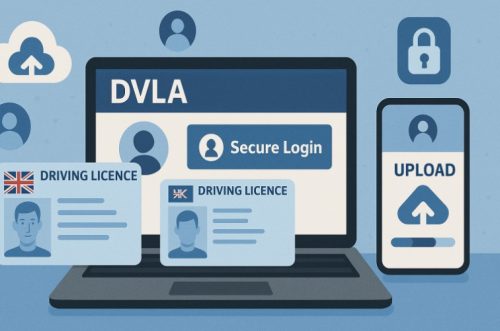
The DVLA’s online portal is undergoing a digital revamp to simplify and accelerate the application process. Drivers can now handle nearly every aspect of their driving licence digitally.
- Upload documents securely through the portal
- Track progress in real-time
- Receive reminders and notifications instantly
- Update photos directly from a smartphone or desktop
- Faster processing time compared to postal services
Digitalisation aims to reduce paper waste and improve accessibility, especially for tech-savvy drivers or those with limited mobility.
What’s New in the Online DVLA Portal?
The DVLA’s website now features a responsive, user-friendly interface designed to guide applicants through each step.
It integrates photo tools and digital signature functionality, reducing the need for physical forms. Applications are now logged instantly, and users receive regular status updates via email or text.
The portal is mobile-optimised, allowing users to apply, renew, or track applications from their phones. This makes the process not only faster but more intuitive and accessible to users across all age groups.
Will Digital Licences Replace Plastic Ones?
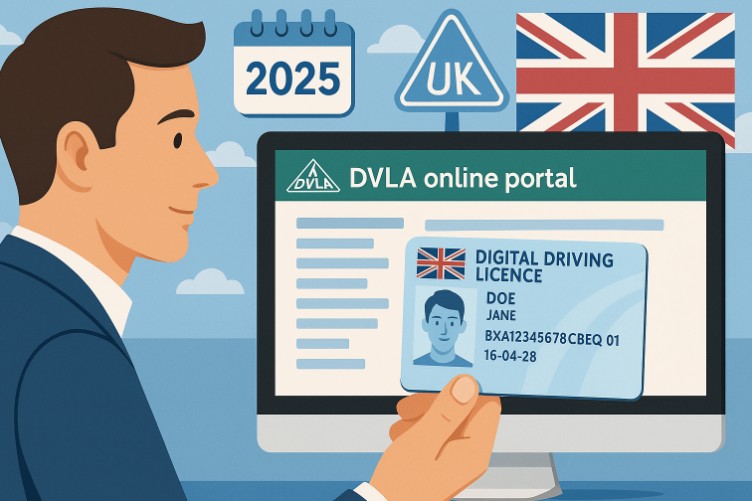
Digital licences are expected to complement, not immediately replace, the physical photocard in 2025. The DVLA is exploring options for storing licences on smartphones through a secure application.
This digital ID will work alongside traditional licences, particularly useful for identity checks and convenience. While full replacement isn’t mandatory yet, the direction points towards a gradual transition in the coming years.
Drivers should stay updated through official DVLA communications to know when digital-only formats become legally recognised for all use cases.
Are There Any Important DVLA Deadlines UK Drivers Must Follow in 2025?
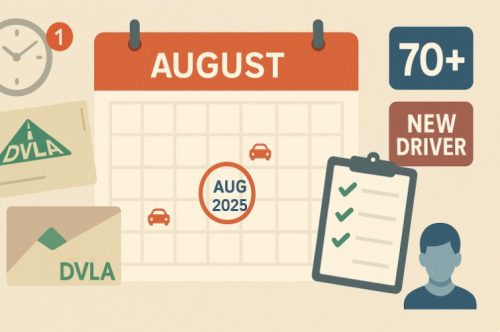
Yes, several deadlines apply to various driver categories under the new changes. It’s crucial for drivers to track these dates to avoid penalties or driving illegally. Below is a breakdown:
| Driver Group | Action Required | Deadline |
| Moldovan Residents | Apply for UK licence exchange | Within 5 years of UK residency |
| Drivers Over 70 | Renew licence and submit health declaration | Every 3 years |
| Paper Licence Holders | Update to photocard version | Recommended by end of 2025 |
| Digital Transition Group | Begin using DVLA portal for renewals | Ongoing from August 2025 |
Missing these deadlines could result in invalid driving privileges or fines. Drivers should sign up for DVLA notifications to remain compliant.
Conclusion
The DVLA driving licence changes in 2025 highlight the UK’s move toward safer roads and more efficient services. With updates ranging from international agreements to digital upgrades and elderly driver safety, these changes mark a major shift for motorists.
Staying informed helps drivers remain compliant and ready for what’s ahead. Whether renewing, going digital, or exchanging a foreign licence, taking timely action ensures continued access to the road.
Drivers should regularly check official sources to stay up to date and adapt smoothly to the evolving driving licence system.
FAQs About DVLA Driving Licence Changes
Can Moldovan drivers use their UK licence if they return to Moldova permanently?
Yes, under the MoU, Moldova will accept UK-issued licences for conversion, making the exchange valid in both directions.
How long does the DVLA take to process a driving licence exchange or renewal in 2025?
Typically 7–21 days, depending on postal delays, medical assessments, or missing documents. Online applications are generally faster.
What is the risk of using unofficial DVLA websites?
Unofficial sites may charge unnecessary fees or collect personal data. Always use the GOV.UK official portal for renewals or updates.
Do over-70s have to pay a fee to renew their licence?
No. DVLA renewals for drivers over 70 are free of charge, whether processed online or via post.
Can I drive if my licence is expired but I’ve already applied for renewal?
Yes, provided you meet the conditions under Section 88 of the Road Traffic Act and your last licence wasn’t revoked for medical or legal reasons.
What documents are required to update your driving licence photo?
A valid UK passport number (optional but useful), proof of address history, and a digital or physical passport-style photo.
Will the DVLA implement similar agreements with other countries in the near future?
The Department for Transport has hinted at future bilateral agreements. Moldova’s MoU may be a model for similar partnerships.