

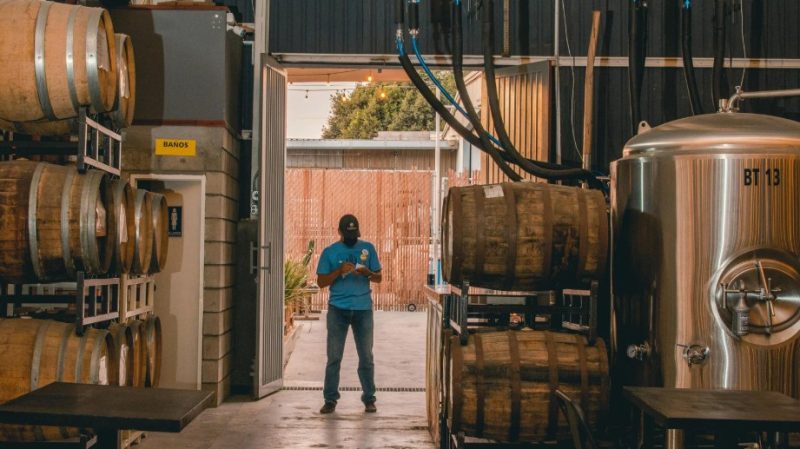
When markets get shaky and inflation eats into cash, investors tend to get creative. Some look to gold. Some stockpile art. But increasingly, a more unexpected option is finding its way into the mix: whisky casks.
Yes, barrels of aging Scotch are now being viewed not just as the preserve of distilleries and collectors, but as a serious alternative asset.
For those with a long-term mindset and a taste for tangible investments, whisky casks are gaining real traction.
But does it make financial sense? How does it actually work? And what are the risks?
A New Kind of Asset — Rooted in Tradition
Whisky cask investment involves purchasing full barrels of spirit, typically from Scottish distilleries, and holding them in bonded warehouses as they mature.
Over time, the whisky gains both complexity and value. When the time is right, the cask can be sold, bottled, or passed on making it a long-term asset rooted in patience and provenance.
Unlike property or equities, cask whisky doesn’t generate passive income. There are no rental payments or dividends.
Instead, it offers capital appreciation over time, with potential returns generally realised after 8–20 years of maturation.
While the market continues to evolve, its fundamentals remain compelling. Whisky casks offer investors a rare combination of tangible ownership, long-term value growth, and freedom from the volatility of traditional financial markets.
For those willing to adopt a patient, strategic approach, casks represent not just an alternative investment but one that is increasingly credible, tax-efficient, and backed by centuries of tradition.
According to Whisky Magazine, the value of Scotch whisky exports hit £6.2 billion in 2022, up 37% from the previous year, an indicator of growing global demand. These fundamentals underpin investor interest in whisky not just as a luxury item, but as a legitimate store of value.
Why Investors Are Starting to Pay Attention?
The appeal of whisky casks lies in their simplicity and their scarcity.
As distilleries scale back access to private stock and focus more on branded bottlings, independent investors and collectors are finding fewer opportunities to secure high-quality casks.
That scarcity is driving up values, particularly for older or blue-chip casks from respected distilleries.
Additionally, whisky casks held in the UK are considered “wasting assets,” meaning they are typically exempt from Capital Gains Tax (CGT), a unique tax benefit that sets them apart from property and shares.
According to Arts & Collections, top-performing casks especially those aged 15+ years or re-racked in high-end finishing casks like Pedro Ximénez or port, can achieve returns in the range of 10–15% per year, though this depends on distillery, age, market conditions, and exit strategy.
So, How Does the Process Actually Work?
Most investors don’t buy whisky casks directly from distilleries. Instead, they work through specialist brokers who source, store, and manage the investment from end to end.
These firms typically provide access to a range of casks by age, distillery, and investment profile, along with secure storage in bonded warehouses.
“We’ve seen growing interest from investors who are looking to move beyond paper assets,” says a spokesperson for London Cask Traders. “Whisky casks offer something different, a tangible product with historical performance, limited supply, and a longer-term horizon. It appeals to those who want to diversify in a way that feels both stable and personal.”
Here’s how the typical process works:
- Select a cask: Based on your budget, holding period, and preferred distillery, brokers recommend options tailored to your goals.
- Store it securely: Once purchased, your cask is kept in a bonded warehouse under HMRC supervision and insured against damage or loss.
- Let it mature: Over the years, the whisky develops in flavour and value. Some investors opt to re-rack their cask into more exotic wood finishes to enhance its profile.
- Exit the investment: When the time is right, you can sell your cask privately, through an auction, or to a bottler or bottle it under your own label.
What Kind of Returns Can You Expect?
Whisky casks don’t generate income while you hold them. Instead, their value builds over time as the spirit matures.
For many investors, the appeal lies in long-term capital growth, rather than short-term gains. Typical holding periods range from 8 to 15 years, during which well-chosen casks can steadily appreciate.
While returns vary depending on the cask’s age, distillery, and market demand, investors often see annualised growth of 8–12%. Whisky casks tend to be most profitable when sold as mature assets. The longer the maturation, the more refined and valuable, the whisky becomes.
This slow, compounding growth, paired with limited aged stock, makes cask investment a unique strategy rooted in time and scarcity.
But What About the Risks?
As with any asset class, cask whisky comes with considerations though many are manageable with good advice and realistic expectations.
- No short-term liquidity: You can’t sell part of a cask or easily trade out of the market. You need to commit to a long hold, ideally 10 years or more.
- Opaque pricing: Unlike shares or property, there’s no public pricing database. You’ll need to trust your broker and review all paperwork carefully.
- Storage costs: Expect annual fees for warehouse space and insurance typically modest, but essential to factor in.
- Market dependency: If global whisky demand softens, exit values may be lower than expected especially for lesser-known distilleries or young casks.
- Proof of ownership: Always ensure you receive proper documentation (ideally a Delivery Order) confirming your legal rights to the cask.
Key Takeaways
Not every investment needs to move fast. Whisky casks remind us that value can grow slowly and meaningfully over time. For those willing to wait, it’s not just about returns. It’s about being part of something crafted, aged, and real.