

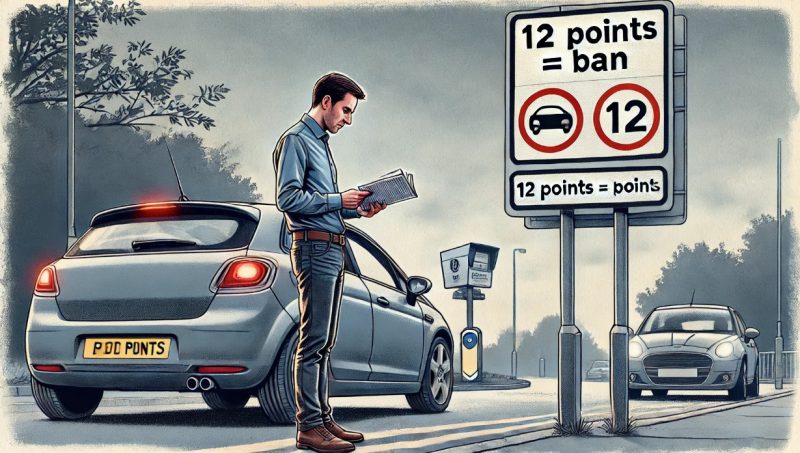
Understanding the UK’s driving license point system is essential for every motorist. Whether you’re a seasoned driver or just passed your test, knowing how many points can lead to license suspension could save you from unexpected legal trouble.
Penalty points not only affect your right to drive but can also impact your job, insurance, and even your freedom.
Points accumulate through offences like speeding, using a phone while driving, or careless driving. Too many, and you’re facing a potential ban.
This guide offers a detailed breakdown of the UK’s penalty point system, disqualification rules, and what steps you can take to avoid losing your license. Stay informed to stay on the road legally and safely.
What Are Penalty Points on a UK Driving License?
Penalty points are a way for UK authorities to penalise and track unsafe driving behaviour. When you commit a motoring offence, the court or police can issue an endorsement on your driving license.
These endorsements carry a specific number of points, which stay on your license for a fixed period depending on the severity of the offence.
For example, minor speeding could result in three points, while more serious offences like drink driving may result in a larger endorsement and immediate disqualification. Each endorsement code corresponds to a specific offence and is recorded by the DVLA.
The main purpose of penalty points is to deter dangerous driving and encourage road safety. If you collect too many points within a particular timeframe, you risk a driving ban under the totting-up system.
Knowing how points are issued and for what reasons helps drivers remain compliant and avoid costly mistakes that could lead to losing their license.
How Many Points to Suspend License in UK?
In the UK, your driving license can be suspended if you accumulate 12 or more penalty points within a three-year period. This is known as the “totting-up” process.
Once you reach this threshold, the court can impose a driving disqualification lasting six months or longer depending on your driving history.
If you’ve previously been disqualified in the last three years, the ban increases to 12 months for a second offence and potentially two years for a third.
The points can come from various offences, including speeding, using a mobile phone while driving, or failing to comply with traffic signals.
These rules apply to all standard drivers. Special conditions apply to new drivers and professional drivers. It’s essential to keep track of any points added to your license to avoid crossing the threshold that leads to a suspension and possibly facing court action or criminal consequences.
Can New Drivers Get Disqualified with Fewer Points?
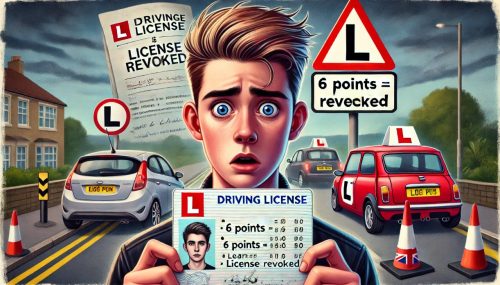
Yes, new drivers in the UK face stricter rules and can lose their license after accumulating just six penalty points within two years of passing their test.
This is due to the New Drivers Act, which aims to promote safety among newly qualified motorists who are statistically more likely to be involved in accidents.
If you receive six or more points within this probationary period, your license will be revoked rather than suspended. This means you must retake both your theory and practical driving tests to regain your full driving privileges.
This rule applies to any combination of offences. Even one major offence such as driving without insurance, or two minor speeding fines, can result in revocation.
The aim is to reinforce responsible driving habits early on. Therefore, staying alert, aware of the rules, and committed to road safety is especially vital during those first two years on the road.
What Offences Can Add Points to Your License in the UK?
A wide range of driving offences in the UK can result in penalty points being added to your license. These vary in severity and duration, depending on the specific nature of the offence.
Common Offences that Carry Penalty Points
- Speeding: 3 to 6 points depending on severity
- Using a mobile phone while driving: 6 points
- Driving without insurance: 6 to 8 points
- Drink or drug driving (if not an instant ban): up to 11 points
- Failing to stop after an accident: 5 to 10 points
- Careless or dangerous driving: 3 to 11 points
- Running a red light: 3 points
- Driving without a license: 3 to 6 points
Endorsement codes are recorded on your driving record and reflect the type of offence. Each one has a designated timeframe for how long it remains active.
Accumulating these over time without correction can lead you to the threshold for a driving ban.
How Long Do Points Stay on Your Driving License?
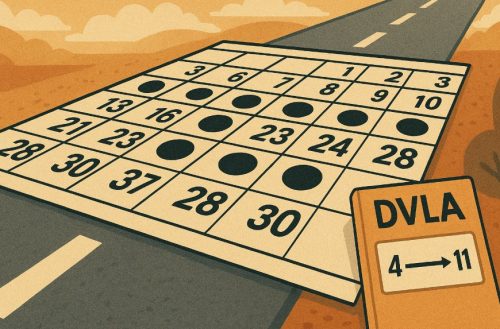
Penalty points on a UK driving license typically stay on your record for four to eleven years, depending on the offence’s seriousness.
For less severe offences like minor speeding or running a red light, the points usually last four years from the date of the offence.
However, for more serious violations, such as drink driving or causing death by careless driving, points can remain for up to eleven years.
Even though some points expire after four years, they only count towards a ban for the first three years. The DVLA keeps them on record for administrative purposes.
It’s crucial to remember that insurers and employers may still view expired points during this time, impacting your premiums or job prospects.
You can check your points online through the DVLA service. Monitoring this helps you take control of your driving record and avoid getting dangerously close to the disqualification threshold.
What Happens After You Reach 12 Points on Your Licence?
Once you reach 12 points on your UK driving licence within three years, the court will usually impose a driving disqualification. This is known as the totting-up ban. The length of the ban can vary based on your driving history and previous offences.
Disqualification Durations
- 6 months for a first offence
- 12 months for a second disqualification within 3 years
- 2 years for a third disqualification within 3 years
Before a ban is issued, you’ll usually be summoned to court. You’ll have the opportunity to explain your circumstances and present any arguments such as exceptional hardship. If accepted, this could reduce or even avoid the ban.
However, this is at the discretion of the magistrate. Drivers with commercial licences or medical needs for driving may face different consequences.
Regardless, reaching 12 points is a serious milestone that often results in temporary loss of driving rights.
Are There Any Exceptions to a Driving Ban in the UK?
Yes, in some cases, drivers can avoid a driving ban by demonstrating exceptional hardship. This is a legal argument made during a court appearance when facing disqualification due to reaching 12 or more penalty points.
The idea is that the driving ban would cause disproportionate harm beyond the inconvenience of losing your license.
For example, if driving is essential for your employment, family care responsibilities, or medical transport, the court may consider this.
However, these claims need to be supported with solid evidence such as job contracts, letters from employers, or medical documentation.
Courts evaluate each case individually and only allow exceptions where a genuine, severe hardship can be shown.
Having legal representation can improve the chances of presenting a successful argument. Still, this process does not guarantee avoiding a ban and should be approached seriously.
What Is the Process for Appealing or Reducing a Driving Ban?
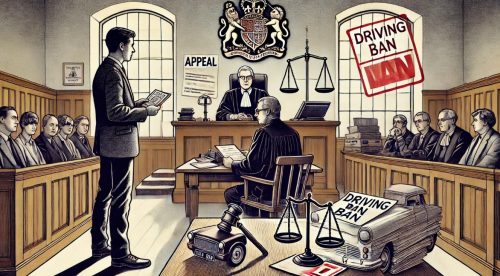
If you’ve been disqualified from driving, it’s possible to appeal or reduce the ban, depending on your specific case and circumstances. The process can be complex, but knowing the steps to take will help guide you through it.
Key Steps to Appeal or Request Reduction
- Filing an Appeal: You must file an appeal within 21 days of receiving your sentencing to challenge the disqualification.
- Request Early Removal: If you’ve served at least half of your ban, you can apply to have the ban removed early.
- Present Mitigating Evidence: Providing proof of exceptional hardship can strengthen your case for reducing the ban.
- Seek Legal Advice: Consulting with a driving offence solicitor will ensure you’re fully prepared for the process.
- Court Hearing: Attend a court hearing with your supporting documents to present your case effectively.
While the appeal process may not always lead to success, following the proper steps and seeking legal advice can help improve your chances. Always ensure that you comply with the court’s requirements during the process.
How Can You Avoid Accumulating Too Many Points?
Avoiding too many points on your licence requires conscious effort, awareness of road laws, and adopting safe driving habits.
Steps to Avoid Points
- Drive within speed limits and adjust speed to road conditions
- Avoid distractions like mobile phones or eating while driving
- Attend speed awareness or driver improvement courses when offered
- Ensure vehicle documents are valid including insurance and MOT
- Comply with road signs and traffic lights
- Stay updated with UK driving laws and changes
These preventive actions help protect your licence and reduce the risk of penalties. It’s also wise to regularly check your licence status online, ensuring no hidden endorsements are affecting your driving record.
In some cases, the police may offer educational courses instead of points, which helps keep your record clean. Adopting a safety-first mindset behind the wheel is the best long-term strategy to avoid suspension.
What Are the Legal and Insurance Consequences of a License Suspension?
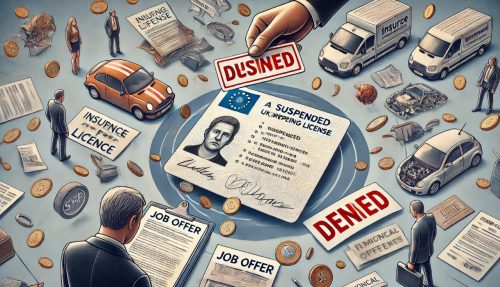
A driving license suspension can affect more than just your ability to drive. It can lead to significant legal and insurance challenges that can take time and money to resolve. Understanding these consequences is key to avoiding long-term setbacks.
Legal and Insurance Impacts
- Higher Insurance Premiums: After a suspension, insurers see you as a higher risk, leading to increased premiums or even policy rejections.
- Employment Challenges: Securing jobs that involve driving can become difficult, as many employers require a clean driving record.
- Legal Costs: If you need to attend court or hire a solicitor to appeal the suspension, it can incur additional legal expenses.
- Loss of Professional Entitlements: Commercial drivers may lose their professional driving rights, impacting their livelihood.
- Impact on Financial Standing: In some cases, a suspension may affect your credit or financial records, making it harder to get loans or credit.
In the end, a license suspension can be both costly and time-consuming, making it important to avoid. Taking steps to maintain a clean record protects your legal and financial well-being.
Conclusion
Understanding how many points can lead to a license suspension in the UK is more than just knowing a number. It’s about recognising the serious consequences that follow unsafe driving habits.
Accumulating 12 points under the totting-up rules puts your license, freedom, and finances at risk. New drivers have even stricter conditions, with just six points enough to cause revocation.
From point durations to court procedures, it’s clear that staying informed is your first line of defence. Avoiding penalty points is entirely possible with smart, responsible driving.
Check your record regularly, drive carefully, and if you’re ever unsure, seek professional advice.
Keeping your license clean isn’t just about following rules, it’s about ensuring safety for everyone on the road.
FAQs About How Many Points to Suspend License in UK
What is a DR10 endorsement and how does it affect my license?
A DR10 is a code for driving or attempting to drive with alcohol levels above the legal limit. It carries up to 11 points and remains on your license for 11 years.
Can I still drive while waiting for a court hearing for a driving offence?
Yes, unless you’ve been given an interim disqualification by the court, you can continue driving until your hearing.
How do I check how many points are on my license?
You can check your driving record online using the DVLA website with your license number and personal details.
Will my insurance premiums increase with penalty points?
Yes, most insurers raise premiums for drivers with penalty points as they are seen as higher-risk clients.
Do all traffic offences result in penalty points?
No, some minor offences may lead to warnings or fixed penalties without points, depending on the situation.
What’s the difference between a fixed penalty and court-issued penalty?
Fixed penalties are standard fines and points issued without a court appearance, while court penalties can be more severe and involve hearings.
Can I take a driver awareness course instead of getting points?
In some cases, such as minor speeding, you may be offered a course instead of points, but this depends on eligibility and police discretion.