
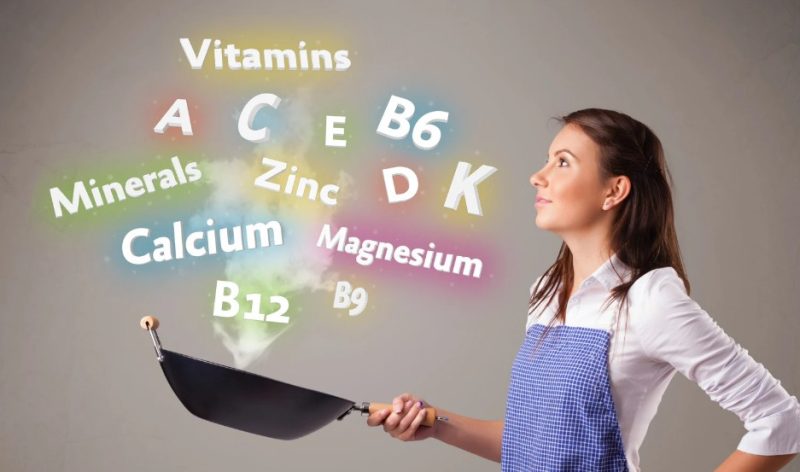
Vitamins are vital to maintaining overall health, and supporting bodily functions that are important for physical and mental health.
From boosting immunity to supporting energy levels, vitamins play a critical role in everyday life. Women, in particular, have specific nutritional needs that change throughout their life.
By understanding which vitamins are important at different ages, women can make informed decisions to enhance their health and vitality.
Why are Vitamins Important?
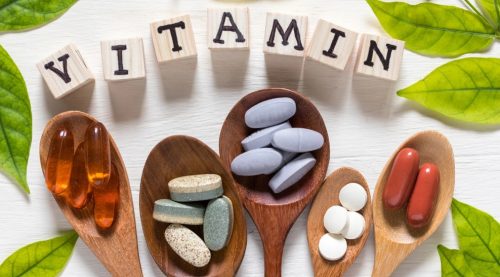
Vitamins are important compounds that help the body grow and work properly. There are thirteen ‘essential’ vitamins in total. These are vitamins A, B-6, B-12, C, D, E and K, as well as riboflavin, thiamine, niacin, pantothenic acid, biotin and folate.
There are also several important minerals such as calcium, magnesium, and iron. Together, these vitamins and minerals help maintain physical health – by helping to improve digestion, boost immunity, strengthen bones, and heal wounds.
They also help promote good mental health – by increasing energy levels and enhancing moods.
What Vitamins Do Women Need Daily?
Women need a wide range of vitamins to meet their daily nutritional needs. These vitamins should ideally come from having a varied diet, but can also come from other sources, such as supplements or an IV drip.
The most important vitamins and minerals that women need daily are vitamin C, vitamin D, biotin, zinc, iron, and B vitamins. This is because these nutrients help enhance their energy levels, general health, and reproductive health.
Vitamins for Women in Their 20s
Our nutritional needs sometimes change as we move through life. Women in their early 20s often lead very busy lifestyles. They could be studying for their degree, planning the early stages of their career, pursuing personal goals, or starting their own family.
For this reason, women in their 20s often benefit from managing their vitamin intake and planning for their own individual needs. For example, for those with hectic schedules, vitamin B5 can help convert food into energy, and B12 can help with energy release.
For those with health concerns, vitamin D can help women improve their immune system, while vitamin C, biotin, copper and zinc can help ensure healthy hair, skin, and nails.
Vitamins for Women in Their 30s
As they approach their 30s, many women start to think about starting or growing their families. There are certain vitamins that help support fertility and fetal development.
This is why many health agencies offer specific nutritional guidelines for women who are thinking about having children. For example, the UK Department of Health recommends that pregnant women take 400µg of folic acid until the 12th week of pregnancy.
They also recommend that new mothers take 10µg of vitamin D every day, until they finish breastfeeding.
As they age, some women also start to experience new health issues. For example, many women in their 30s are at risk for iron deficiency, often due to either blood loss during menstruation, or due to higher iron requirements during pregnancy.
Iron supplements can help manage this. Many women in their 30s also struggle with PMS. Magnesium can help women reduce premenstrual syndrome (PMS) symptoms, such as breast tenderness, weight gain, and water retention. Other important vitamins include vitamin C, zinc, Omega 3, and B vitamins.
Vitamins for Women in Their 40s
As they move into their 40s, many people start to notice other changes in their body, and how the natural aging process is starting to affect their health.
Some women start to worry about their risk of blood pressure, diabetes, and heart disease. Other women may start to think about the potential effects of perimenopause, and later, menopause.
There are certain vitamins and minerals that help women navigate these changes and maintain optimum health. For example, vitamin D can help reduce the risk of diabetes, heart disease, certain cancers, and multiple sclerosis. Meanwhile, magnesium can help reduce the risk of high blood pressure.
It can also help maintain the healthy function of the muscles, nerves, and heart. Other important vitamins include B12, calcium, and potassium.
Vitamins for Women in Their 50s and 60s
Women over the age of 50 may need more of certain vitamins. As women age, they are at increased risk of bone loss and fractures. That’s why it’s important for women over 50 to prioritise calcium intake.
This key nutrient helps women maintain good bone health, working alongside vitamin D, to reduce the risk of osteoporosis.
As women age, they are also at increased risk of other health issues. But, with the right supplementation, women can reduce this risk and manage their long-term health. Vitamin B9 is critical for cellular health and can help prevent heart disease, while vitamin A supports eye health and immune function.
Vitamin E helps protect cells from damage and supports skin health, while B vitamins support energy production, brain function, and red blood cell formation. Together, these vitamins can help women feel good and stay healthy in later life.
How to Improve Your Daily Vitamin Intake?

The best way for women to improve their daily nutrient intake is by eating a healthy diet. To do this, they need to learn more about different foods, and how to incorporate more vitamins and minerals into their diet.
Here are a few examples:
- Vitamin C: This vitamin is found in citrus fruits such as oranges, grapefruits, lemons, as well as in other fruits such as kiwis and strawberries. It’s also found in other healthy foods such as bell peppers, broccoli, brussel sprouts, and tomatoes.
- Vitamin D: The best source of vitamin D is sunlight. The vitamin is also found in small amounts in egg yolks, fatty fish, fortified dairy products (milk, yogurt), fortified plant-based milk (almond, soy, oat milk), and fortified cereals.
- Vitamin B12: This vitamin is found in meats such as beef, lamb, pork, chicken, and turkey. It is also found in fish such as salmon, tuna, and sardines. Vitamin B12 is also in eggs, as well as dairy products, such as milk, cheese, and yoghurt.
- Calcium: The easiest way for women to get more calcium in their diet is through dairy products such as milk, cheese, and yoghurt. It can also be found in leafy greens, plant-based milk, tofu, and certain fish like sardines and salmon.
- Magnesium: This mineral is found in lots of healthy, tasty snacks such as almonds, cashews, peanuts, and seeds. It’s also found in leafy greens like spinach and swiss chard, whole grains like brown rice and quinoa, and legumes like black beans and lentils.
- Iron: The best way for women to increase their iron intake is by introducing more iron-rich foods like red meat, poultry, and seafood into their diet. There are also some great vegetarian sources of iron like lentils, beans and tofu.
While diet plays a key role in managing your nutrient intake, you can also use supplements and IV drips to help make sure you’re getting enough vitamins.
These back-up sources can make managing your health more convenient, and take some of the pressure off monitoring your day-to-day intake.
Final Thoughts
Having a well-rounded diet rich in essential vitamins is important for maintaining health throughout every stage of life.
Women’s nutritional needs change as they move through their 20s, 30s, 40s, and beyond, but getting plenty of vitamins will always be important.
By choosing the right foods, supplements, or IV drips, women can ensure that they are giving their bodies everything they need for long-term health.
This is because prioritising vitamins not only helps prevent health issues but also promotes overall vitality, allowing women to thrive at every age.