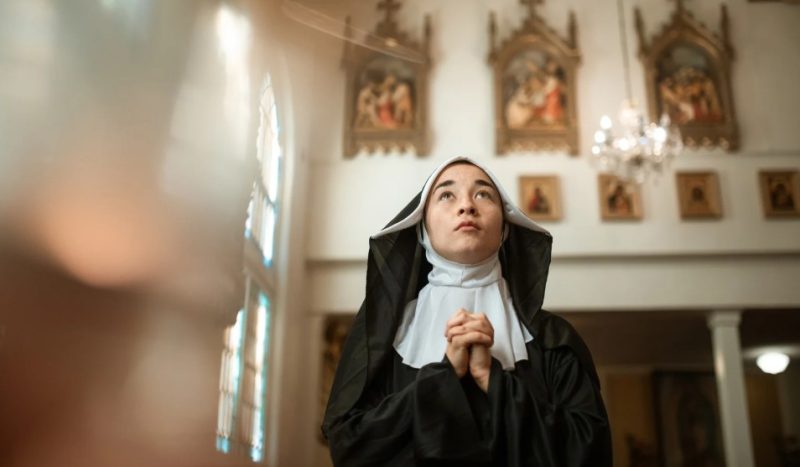
Becoming a nun is a profound spiritual journey that requires deep faith, self-discipline, and a strong sense of purpose.
Women who choose this path dedicate their lives to serving God, embracing a simple lifestyle, and committing to religious vows.
The process of becoming a nun involves several stages, including discernment, postulancy, novitiate, and taking final vows.
Each step allows an individual to reflect on their calling and fully integrate into the religious community.
If you feel drawn to religious life, understanding the requirements, steps, and challenges involved in becoming a nun can help you determine whether this sacred commitment is right for you.
What Does It Mean to Become a Nun?

Becoming a nun means dedicating your life to God and the service of others through a structured religious community.
Nuns live a life of faith, prayer, and devotion, often separating themselves from worldly distractions to focus on their spiritual journey.
They follow the teachings of the Church and commit to a disciplined lifestyle that revolves around prayer, community service, and self-sacrifice.
A common misconception is that all nuns live in isolation. While some choose a cloistered life focused on prayer and contemplation, others actively serve in education, healthcare, and social work.
Regardless of their role, all nuns take solemn vows, promising to live a life of poverty, chastity, and obedience. These vows symbolise a complete surrender to God’s will.
The decision to become a nun is not taken lightly, as it requires years of preparation, training, and spiritual discernment before making a lifelong commitment.
Who Can Become a Nun?
Not every woman is eligible to become a nun. The Catholic Church has specific requirements that candidates must meet before entering religious life.
Basic Requirements
- Must be a baptised and practising Catholic
- Should be in good physical and mental health
- Must be single, widowed, or have an annulled marriage
- Should not have dependent children under her care
- Must have a sincere desire to live a life of prayer and service
Age Restrictions
- Most orders accept candidates between the ages of 18 and 40
- Some communities may accept older candidates on a case-by-case basis
Spiritual and Psychological Readiness
- Must demonstrate a strong personal relationship with God
- Should be prepared for a life of celibacy, poverty, and obedience
- Needs to show emotional stability and commitment to religious life
Before joining, a woman is encouraged to engage in discernment, which involves prayer, speaking with a spiritual advisor, and visiting different religious communities to determine if she is truly called to become a nun.
How Do You Know If You Are Called to Become a Nun?

Discerning a religious vocation is a deeply personal and spiritual process. Many women feel an internal calling, but it is essential to confirm whether this desire is truly a divine calling or simply admiration for the religious lifestyle.
A strong calling to become a nun often includes a deep sense of peace and fulfilment when thinking about religious life.
Women who are called often feel drawn to prayer, seek spiritual guidance, and find joy in helping others. They may also feel a desire to detach from material possessions and worldly ambitions.
The best way to discern this calling is through prayer, attending retreats, and speaking with spiritual advisors.
Many women also find clarity by visiting convents and talking to nuns about their experiences. A period of self-reflection is essential before committing to this lifelong journey.
What Are the Different Types of Nuns and Religious Orders?
There are various types of nuns, each belonging to different religious orders that follow specific traditions and missions.
These orders determine the lifestyle, responsibilities, and level of interaction nuns have with the outside world.
1. Cloistered Nuns
- Live in monasteries or convents with little to no contact with society.
- Dedicate their lives to prayer, meditation, and spiritual reflection.
- Often support themselves through handmade crafts, farming, or baking.
- Examples: Benedictines, Carmelites, and Poor Clares.
2. Active Nuns (Sisters)
- Work in education, healthcare, and missionary services.
- Engage directly with communities, helping the poor, sick, and underprivileged.
- Some serve as teachers, nurses, or social workers.
- Examples: Sisters of Mercy, Missionaries of Charity, and Dominican Sisters.
3. Semi-Cloistered Nuns
- Balance contemplative prayer with social service.
- Limited interaction with the public but still perform charitable work.
- Examples: Visitation Sisters, Franciscan Sisters.
Each religious order has a unique mission, and women should research different communities to find one that aligns with their calling.
What Steps Should You Take to Join a Convent?

The process of joining a convent involves several key steps, ensuring that a woman is spiritually, emotionally, and mentally prepared for religious life.
1. Discernment
- Engage in deep prayer and self-reflection.
- Seek guidance from a spiritual mentor, priest, or religious advisor.
- Visit different convents to explore the various religious orders.
2. Inquiry and Application
- Contact a religious community that aligns with your calling.
- Attend a “Come and See” retreat to experience convent life.
- Complete an application, including background checks, interviews, and references.
3. Postulancy (6 months – 2 years)
- Live within the community while observing daily routines and traditions.
- Participate in prayers, spiritual studies, and community service.
- Receive guidance and mentorship from experienced nuns.
4. Novitiate (1 – 2 years)
- Undergo formal training in theology, religious doctrine, and Church teachings.
- Learn about the history and mission of the religious order.
- Prepare for temporary vows, which mark deeper commitment.
After these steps, the candidate may take temporary vows before making a lifelong commitment to the religious order.
How to Become a Nun?
Becoming a nun is a journey of deep faith, prayer, and dedication. The process involves discernment, spiritual preparation, and formal training within a religious community.
Steps to Becoming a Nun
1. Discernment and Prayer
- Engage in daily prayer and personal reflection to understand your divine calling.
- Meet with nuns, visit convents, and attend spiritual retreats to explore religious life.
- Seek guidance from a spiritual mentor or trusted advisor for proper direction.
2. Initial Contact and Inquiry
- Research different religious orders and communities that align with your beliefs and values.
- Ask questions and learn about their missions, daily practices, values, and way of life.
- Both you and the community assess compatibility before making a serious commitment.
3. Entering the Community
- Postulancy: A period of observation, training, and adaptation within the religious community.
- Novitiate: Formal training in theology, religious teachings, and understanding spiritual practices.
- Temporary Vows: A commitment to poverty, chastity, and obedience for a specific period.
- Final Vows: After years of preparation, perpetual vows mark a lifelong spiritual dedication.
Key Considerations
- No Virginity Requirement: Chastity is essential, but past relationships do not disqualify women.
- Celibacy: A commitment to celibate life requires spiritual, emotional, and mental maturity.
- Process Length: Becoming a fully professed nun can take approximately 9 to 12 years.
This path requires deep faith, patience, and an unwavering willingness to serve others.
What Vows Do Nuns Take, and Why Are They Important?

Nuns take three solemn vows that define their lifelong commitment to God and religious service.
Key Vows in Religious Life
- Vow of Poverty: Renouncing personal wealth to live simply. Nuns rely on their community for basic needs, focusing entirely on faith and service.
- Vow of Chastity: A commitment to celibacy and undivided devotion to God. This vow fosters spiritual purity and deepens their religious dedication.
- Vow of Obedience: Nuns follow the authority of their religious order, embracing humility, discipline, and selflessness in their mission.
These vows symbolize complete devotion to God and humanity, shaping a life of spiritual discipline and selfless service.
Through these commitments, nuns dedicate themselves fully to faith, community, and a higher calling.
What Is the Daily Life of a Nun Like?
The daily life of a nun is structured around prayer, work, and community living. While routines vary by religious order, all nuns follow a disciplined schedule that focuses on spiritual growth and service.
1. Prayer and Worship
- Most nuns begin their day with morning prayers and meditation.
- Participation in the Liturgy of the Hours is common, with prayers at set times throughout the day.
- Many communities celebrate daily Mass, an essential part of spiritual life.
2. Work and Responsibilities
- Cloistered nuns engage in activities like baking, sewing, or farming to support their community.
- Active nuns serve in schools, hospitals, or social work, depending on their order’s mission.
- Some nuns take leadership roles within their convent, helping manage daily affairs.
3. Community Life and Recreation
- Nuns gather for communal meals and spiritual discussions.
- They spend time in study, reading religious texts, or learning new skills.
- Recreation is also valued, with time for walks, crafts, or music.
Despite their structured routines, nuns experience deep joy in their spiritual journey, as their daily lives are centred on devotion, service, and peace.
Can Nuns Have Contact with Their Families and the Outside World?

Yes, but the level of contact depends on the religious order a nun joins. Some nuns maintain regular communication with their families, while others, especially cloistered nuns, have very limited contact with the outside world.
Active nuns, who work in schools, hospitals, and social services, often interact with their families and the public.
They can visit loved ones on designated days, receive letters, and even use modern technology, depending on their community’s rules.
Cloistered nuns, on the other hand, follow stricter guidelines. They may only write letters or have limited visits from immediate family members.
While becoming a nun means prioritising spiritual commitment over personal relationships, most religious communities understand the importance of maintaining family bonds.
Many allow occasional visits, phone calls, or written communication to keep connections strong while upholding the values of religious life.
Do Nuns Receive an Income or Own Personal Property?
Nuns do not receive a personal income because they take a vow of poverty, renouncing ownership of material possessions. Instead, all financial needs, including food, clothing, and shelter, are provided by the religious community.
Any wages earned by nuns working as teachers, nurses, or social workers go directly to their convent or religious order.
This collective approach ensures that resources are shared among all members, allowing them to live simply and focus on their spiritual mission.
Regarding personal property, most nuns own very little. Some may keep sentimental items, books, or practical necessities, but luxuries and private wealth are not permitted.
By embracing poverty, nuns detach from materialism and trust in God’s providence, strengthening their commitment to religious life.
Can You Leave the Convent After Becoming a Nun?

Yes, although becoming a nun is a serious commitment, it is possible to leave religious life under specific conditions. The process of departure depends on the stage of commitment a nun has reached.
During the postulancy and novitiate stages, a woman can leave freely if she feels religious life is not for her. If she has already taken temporary vows, she must formally request to leave, and these vows will expire after a set period.
For nuns who have taken final vows, the process is more complex. They must seek dispensation from the Vatican to be released from their lifelong commitment.
Once dispensed, they can return to secular life. Leaving a convent is not taken lightly, as it involves deep reflection and guidance from Church authorities.
However, the Catholic Church acknowledges that some individuals may realise that religious life is not their true calling, and they are supported in transitioning back to lay life.
What Are Some Common Misconceptions About Becoming a Nun?
Many myths surround the process of becoming a nun and religious life in general. Here are some of the most common misconceptions:
Common Misconceptions About Nuns
- You Must Be a Virgin: While nuns take a vow of chastity, past relationships do not disqualify them. The key requirement is lifelong celibacy.
- All Nuns Live in Isolation: Some are cloistered, but many work in schools, hospitals, and social outreach, actively engaging with communities.
- Nuns Cannot Talk or Have Fun: While some orders practice silence, most nuns enjoy conversations, celebrations, and strong friendships.
- Becoming a Nun Means No Freedom: Nuns voluntarily choose religious life and find spiritual freedom in their calling, not restriction.
By understanding these misconceptions, women can make an informed decision about whether religious life aligns with their personal calling.
Conclusion
Becoming a nun is a profound and life-changing decision that requires deep faith, commitment, and preparation.
It is not a simple process but a journey of spiritual growth that involves discernment, training, and devotion to religious vows.
While the path to religious life includes challenges, it also offers immense spiritual rewards, including inner peace, a deep connection with God, and a life dedicated to serving others.
For those considering this vocation, the first step is to pray, seek guidance, and explore different religious communities.
By understanding the steps, requirements, and realities of becoming a nun, you can determine whether this sacred calling aligns with your faith and purpose.
If you feel drawn to religious life, take time to discern and trust that your journey will lead you to the path that God has intended for you.
FAQs About How to Become a Nun
Are there any age limits for becoming a nun?
Most religious orders accept candidates between 18 and 40, but some may allow older applicants under special circumstances with approval.
Can you live in a convent without being a nun?
Yes, some convents offer programs where women can temporarily experience religious life before making a final decision process.
Do you have to be a virgin to become a nun?
No, virginity is not a requirement, but nuns must commit to lifelong celibacy after taking their sacred vows.
What disqualifies you from becoming a nun?
Having dependent children, an unannulled marriage, significant debts, or severe health conditions may permanently disqualify a candidate.
How to become a nun after marriage?
If a woman is widowed or has received an annulment, she may apply to become a nun in certain religious communities.
How long does it take to become a nun?
The process typically takes 6 to 9 years, including postulancy, novitiate, and temporary vows before final solemn profession.
Can a nun own a mobile phone or use social media?
Some modern orders allow limited use of phones and social media for communication, outreach, and ministry work.
Can divorced women become nuns?
Yes, but only if their marriage has been officially annulled by the Church with valid documentation.