


Ted Baker, once a beacon of British fashion known for its charm, quirkiness, and impeccable craftsmanship, now faces one of the most challenging chapters in its history.
Celebrated for its unique designs and playful sophistication, the brand enjoyed widespread acclaim and popularity.
However, recent years have brought significant challenges, both internal and external, that have left it in a precarious position.
The closure of its UK stores marks a pivotal moment, sparking questions about the viability of traditional retail models in an increasingly digital world.
In this blog, we delve into the rise and fall of Ted Baker, uncover the factors behind its decline, and explore what the future might hold for this iconic British brand.
Who is Ted Baker?
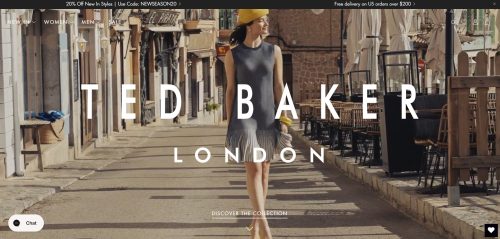
Ted Baker was founded in 1988 by Ray Kelvin in Glasgow, Scotland. The brand initially specialised in men’s shirts, quickly establishing a reputation for quality, style, and attention to detail.
What set Ted Baker apart from other fashion retailers was its playful approach to marketing and customer engagement. The brand famously avoided traditional advertising, relying instead on word-of-mouth recommendations and in-store experiences to build its reputation.
As its popularity grew, Ted Baker expanded into women’s wear, accessories, and homeware, positioning itself as a lifestyle brand. It became a darling of the British high street, celebrated for its quirky branding and whimsical details.
From its “no ordinary designer label” tagline to its distinctive store interiors, every aspect of Ted Baker’s identity was crafted to leave a lasting impression.
By the mid-2000s, the brand was operating internationally, with stores across Europe, North America, and Asia. It became a favourite among celebrities, socialites, and even members of the British royal family, cementing its status as a leading name in fashion.
What Happened to Ted Baker?
The decline of Ted Baker is a multifaceted story shaped by financial struggles, leadership controversies, and an inability to adapt to changing market dynamics. Once a beacon of British retail, the brand’s fortunes began to falter in the late 2010s.
One of the pivotal moments in Ted Baker’s decline was the departure of founder Ray Kelvin in 2019 following allegations of inappropriate behaviour.
Kelvin’s exit created a leadership vacuum, and the ensuing management instability made it difficult for the company to navigate its challenges effectively.
In 2024, Ted Baker announced the closure of its remaining UK stores, a decision that impacted over 500 employees.
This move underscored the financial pressures the brand was facing, with mounting debts and declining sales.
Despite efforts to streamline operations and focus on its online business, Ted Baker struggled to regain its footing in a competitive retail landscape.
What Factors Led to Ted Baker’s Decline?

Several interrelated factors contributed to Ted Baker’s decline. These issues collectively undermined the brand’s once-strong position in the market.
Financial Mismanagement
- In 2019, the company revealed a misstatement of inventory values by £58 million.
- This significant accounting error shook investor confidence and highlighted broader operational inefficiencies.
Leadership Issues
- Allegations of misconduct against founder Ray Kelvin damaged Ted Baker’s reputation and employee morale.
- The leadership transitions that followed failed to provide stability during a crucial period of change.
Market Shifts
- Competitors like ASOS and Zara embraced e-commerce and fast fashion, disrupting traditional retail models.
- Ted Baker’s slow investment in digital transformation left it unable to meet the expectations of modern shoppers.
Consumer Disconnect
- Its reliance on premium pricing and physical stores alienated younger, budget-conscious shoppers.
- Many consumers gravitated toward more affordable and accessible online options.
These issues combined to erode Ted Baker’s market share and profitability, making it increasingly difficult for the company to compete.
Was Ted Baker’s Business Model Sustainable in the Modern Era?
Ted Baker’s traditional business model, built around physical retail stores and premium pricing, was a major contributor to its early success. However, this model proved less effective in the face of modern retail trends.
Competitors such as Zara and H&M embraced online shopping and omnichannel strategies, offering customers convenience and speed.
Ted Baker, by contrast, was slow to invest in its digital infrastructure, which limited its ability to compete in an increasingly digital-first market.
Additionally, the brand’s reliance on its quirky, high-end image made it difficult to attract a broader audience. While its core customers appreciated its distinctiveness, younger shoppers gravitated toward trend-driven and affordable options.
These challenges highlighted the need for Ted Baker to rethink its strategy and adapt to the realities of modern retail.
Why Did Ted Baker Decide to Close UK Stores?

Ted Baker’s decision to close its UK stores was a culmination of financial pressures and strategic pivots. Rising operational costs, including rent and staffing, had become unsustainable.
Compounded by the economic downturn during the COVID-19 pandemic, foot traffic to retail stores plummeted, leaving high-street retailers struggling to cover expenses.
Ted Baker, already grappling with declining sales and mounting debts, could no longer justify the expense of maintaining its physical presence.
In response, the brand opted to focus on its online business to streamline costs and reach its customers more efficiently.
While this approach aligns with modern consumer behaviour, it also signifies the loss of a significant aspect of the brand’s identity, which had been closely tied to its high-street locations.
The move reflects a broader trend within the retail sector, where brands must adapt to digital-first strategies to survive.
How Has the British Fashion Industry Reacted to Ted Baker’s Challenges?
Ted Baker’s decline has served as a wake-up call for the British fashion industry. Analysts view the situation as a reflection of the broader challenges retailers face in navigating the shift from physical stores to e-commerce.
The brand’s slow adoption of digital transformation and reluctance to fully embrace online retail have been identified as critical missteps.
Within the fashion industry, Ted Baker’s struggles highlight the fragility of traditional retail models. Many competitors have since accelerated their digital strategies to avoid similar pitfalls.
The closures have also reignited conversations about the future of UK high streets, which continue to be impacted by rising operational costs, post-pandemic recovery issues, and changing consumer preferences.
Fashion insiders argue that Ted Baker’s story underscores the importance of innovation, adaptability, and customer engagement in maintaining relevance in a fiercely competitive market.
What’s Next for Ted Baker and Its Stakeholders?

Despite the closure of its UK stores, Ted Baker is charting a new course focused on digital transformation. The brand plans to strengthen its e-commerce platform, leveraging partnerships with global retailers to maintain its presence in the fashion market.
This shift to a digital-first strategy is intended to reduce costs while still delivering the high-quality designs that define the Ted Baker brand.
For stakeholders, the transition brings mixed emotions. Employees face uncertainty as the company moves away from physical retail, and investors are watching closely to see how the digital strategy unfolds. Loyal customers, many of whom value the brand’s British high-street heritage, must adapt to shopping primarily online.
While the road ahead is challenging, there is cautious optimism that Ted Baker can rebuild its reputation.
By focusing on innovation, brand heritage, and customer connection, the company has an opportunity to regain its standing as a leader in British fashion.
Conclusion
Ted Baker’s journey from a celebrated British fashion icon to a struggling retailer is a tale of triumph, caution, and resilience. Its decline, shaped by missteps and missed opportunities, highlights the challenges of maintaining relevance in an ever-changing market.
Despite the hurdles, the brand’s timeless appeal and strong identity offer hope for a revival. As Ted Baker navigates this critical phase, it underscores the importance of adaptability, innovation, and staying attuned to consumer needs.
The brand’s story serves as both a warning and an inspiration for businesses striving to thrive in today’s fast-paced retail landscape. Ted Baker’s next chapter will determine if it can reclaim its status as a beloved name in British fashion.
FAQs
Is Ted Baker completely shutting down all its operations?
No, Ted Baker is not shutting down entirely. While its UK stores are closing, the brand continues to operate online and through select partnerships.
How did Ted Baker’s leadership controversies unfold?
The brand faced allegations of workplace misconduct against its founder, Ray Kelvin. These controversies severely damaged its reputation and led to leadership instability.
What made Ted Baker unique in the fashion market?
Ted Baker was known for its quintessentially British style, quirky branding, and premium-quality designs. This combination made it a standout brand in the global fashion industry.
Can Ted Baker recover from its current challenges?
Ted Baker’s recovery depends on successful restructuring and embracing digital innovation. These steps could help the brand regain its footing in the competitive market.
How did the COVID-19 pandemic affect Ted Baker?
The pandemic caused a steep decline in foot traffic and sales, significantly affecting Ted Baker’s financial stability. It accelerated the shift away from physical retail stores.
Who benefits from Ted Baker’s downfall?
Competitors and discount retailers have gained market share as Ted Baker closes its physical stores. This has allowed them to attract Ted Baker’s former customers.
Why couldn’t Ted Baker keep up with new fashion trends?
The brand struggled to innovate and engage with younger, trend-conscious consumers. This failure led to a disconnect and a loss of relevance in the market.