

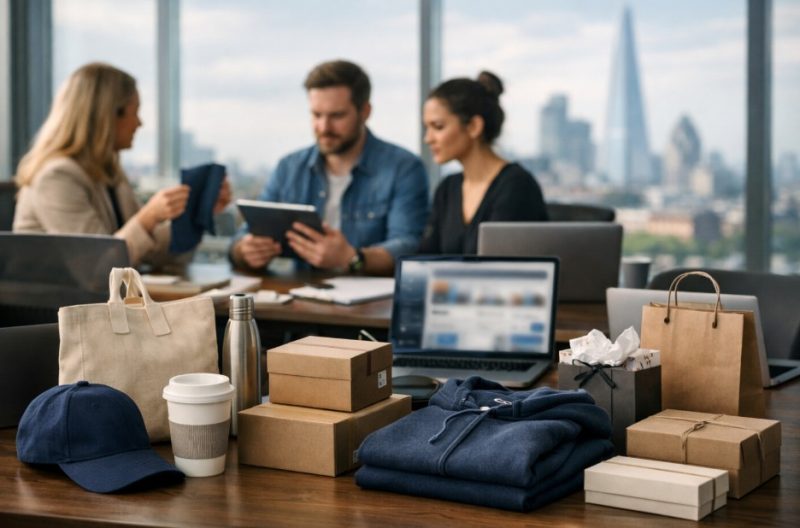
In the modern UK business world, the sheer volume of digital noise makes it incredibly hard for companies to stand out. While everyone talks about search engine rankings and social media algorithms, there is a lot to be said for physical, tangible assets.
These items have a staying power that digital pixels simply cannot match. For many growing businesses, starting with high-quality blank caps provides a versatile foundation for a solid brand identity.
By bringing physical merchandise into the mix, a company can create a sense of unity that really connects with both its team and its customers.
The move toward wearable branding isn’t just a marketing trick. It is a practical response to how much our work environments have changed. As office life becomes more relaxed, the need for a unified look has shifted away from stiff suits toward comfortable, functional clothing.
When a business invests in headwear or other gear in bulk, they are essentially empowering their team to be mobile brand ambassadors. Of course, this only works if the product is actually good.
A flimsy, poorly made item will just end up at the back of a wardrobe, but a well-designed piece of headwear becomes something people actually want to wear every day.
Why Is the Role of Tangible Branding in the Digital Age Important for Modern Businesses?
The Power of a Physical Connection
From a purchasing perspective, choosing unbranded goods offers a huge amount of flexibility. UK businesses today need to be agile. By keeping a stock of high-quality, versatile items on hand, a firm can react quickly to new campaigns, local events, or new hires without waiting weeks for custom manufacturing.
This approach to managing inventory is a lifesaver for small- to medium-sized enterprises. It allows them to maintain the professional look of a much larger corporation while keeping a close eye on storage space and overhead costs.
There is also some interesting psychology behind physical merchandise. It often comes down to the endowment effect, which is the idea that we value things more when we can actually touch and own them.
In a business setting, giving a team member a quality piece of gear fosters a real sense of belonging. This is particularly true in industries like logistics, site engineering, or outdoor hospitality.
In these fields, the practical benefits of a hat or jacket meet the requirements of a professional uniform. By picking items that focus on comfort and durability, a business shows it actually cares about the daily experience of its staff.
Sustainability and Keeping it Professional
The environmental impact of what businesses buy is also under the microscope like never before. Modern leaders in the UK are constantly trying to balance their promotional needs with their sustainability goals.
The old fast fashion approach to corporate giveaways is quickly being replaced by a preference for items that last. This means choosing premium blanks that are built for the long haul rather than cheap alternatives that fall apart after one wash.
A durable product carries a brand message for years, which offers a much better return on the initial carbon footprint. When the base material is high standard, the final result reflects the values of a responsible company.
Outside of the office, strategic merchandise is a brilliant tool for keeping clients engaged. In the B2B world, where relationships are built over years, a thoughtful and practical gift can be far more effective than another automated email.
A well-made accessory acts as a constant, subtle reminder of a professional partnership. It takes the brand out of a crowded inbox and into the real world. This provides visibility in places digital ads just can’t reach, like industry trade shows, networking breakfasts, or even during a weekend walk.
Making the Numbers Work

Financial efficiency is always a priority. For any business navigating the competitive UK market, every penny spent needs to work hard. Buying in larger quantities helps bring the unit price down, which means you can afford a much higher level of quality for the same total budget.
This gives smaller companies access to premium products that might feel too expensive if they were bought one by one. The savings found through bulk buying can then be shifted into other vital areas, such as staff training or improving customer service.
Consistency is another huge part of protecting a brand’s reputation. If a business uses too many different suppliers for their gear, they often run into problems with mismatched colours or varying quality.
By sourcing a large volume of the same blank product, a company ensures every person representing the firm looks the same. Whether a team member is based in Manchester or Bristol, that uniform look builds trust with clients. It signals that the business is organised, reliable, and pays attention to the little things.
Building a Brand That Lasts
As we look at where corporate identity is heading, it is clear that mixing physical and digital strategies is the best way forward. Digital platforms give you the reach, but physical products provide the depth. A business that knows how to use the tangible nature of quality merchandise will always have a leg up on those that only exist on a screen.
By sticking to the basics of quality, usefulness, and consistency, UK firms can build brands that people actually respect. A smart investment in a versatile inventory of apparel is really an investment in the culture and reputation of the business.
In a world of forgettable digital scrolls, the value of a physical connection is stronger than ever. High-quality merchandise creates a legacy that lasts much longer than a temporary social media post or a paid advert.