
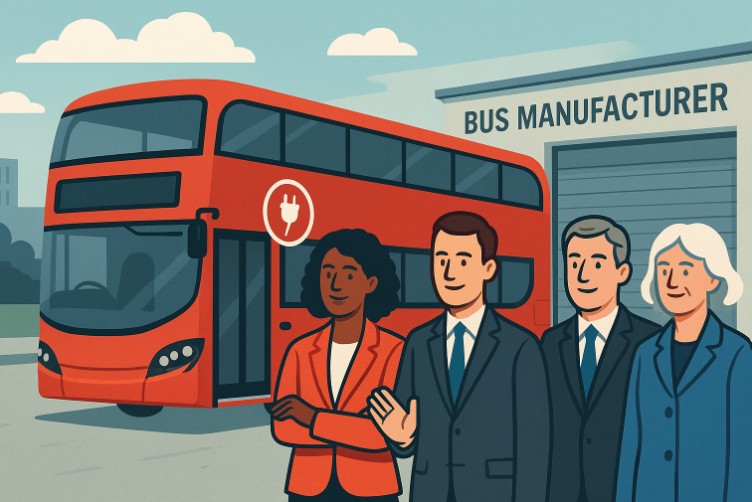
The UK is undergoing a transformational shift in public transport, with greener, cleaner buses leading the way. In a powerful show of collaboration, mayors and ministers are backing British bus manufacturers to drive both environmental progress and economic development.
With government funding, regional partnerships, and a clear 10-year pipeline of zero-emission bus orders, the nation is poised to reshape how people travel.
This strategic push aligns with the UK’s commitment to achieving net zero emissions and revitalising the manufacturing sector.
Why Are British Leaders Supporting Greener Buses and Local Manufacturers?
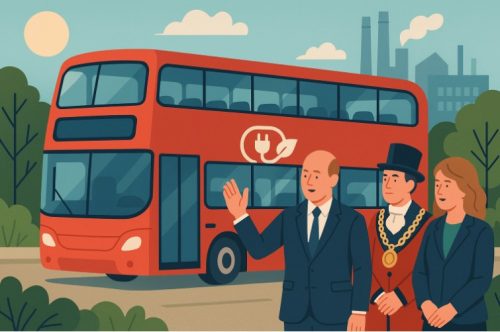
National and local government figures are rallying behind green transport initiatives for reasons that blend environmental urgency with long-term industrial strategy. By prioritising local manufacturers and greener buses, the UK ensures both sustainability and economic resilience.
Greener transport systems are central to the government’s broader Plan for Change, aiming to reduce carbon emissions while investing in future-proof industries.
Leaders are aligning with manufacturers to build a ten-year pipeline of zero-emission bus orders, offering business certainty and promoting high-skilled job creation.
Key Drivers for Government Support:
- Climate Commitments: Aligning with net-zero targets through zero-emission mobility.
- Economic Strategy: Stimulating UK manufacturing by funding local production.
- Regional Development: Spreading opportunity beyond London to Northern and Midlands areas.
- Social Impact: Ensuring investments serve community needs and deliver inclusive growth.
Local mayors and transport authorities have also voiced strong support, recognising the role of buses in daily urban life and the opportunity to revitalise fleets for the benefit of the environment and commuters alike.
The government is leveraging this alignment to ensure maximum return on public investments while advancing a greener, fairer economy.
How Does the Greener Bus Initiative Benefit the UK Economy?
The shift toward greener buses is more than an environmental project; it is a catalyst for national economic recovery and industrial strength. By focusing on UK-based manufacturing, the initiative revitalises key industrial regions and supports thousands of high-skilled jobs.
With approximately 60% of government-funded zero-emission buses currently being built domestically, the investment is directly supporting British manufacturers.
This local sourcing bolsters supply chains, stimulates innovation in automotive technology, and enhances the export potential of advanced transport solutions.
As demand for sustainable transport grows globally, the UK’s leadership in zero-emission bus production could position it as a major player in green automotive exports.
Meanwhile, public-private collaboration attracts investment, boosts regional economies, and contributes to national GDP through industrial diversification and job creation.
What Are Zero-Emission Buses and Why Are They Critical to UK’s Net Zero Goals?
Zero-emission buses (ZEBs) are vehicles powered by electricity or hydrogen, producing no exhaust emissions. These buses are vital in cities where air quality has historically suffered due to heavy diesel use in public transport.
ZEBs support the UK’s climate strategy in several impactful ways:
- Carbon Reduction: No CO2 or nitrogen oxide emissions from the tailpipe.
- Energy Efficiency: Lower energy consumption than combustion engines.
- Clean Air: Significant improvements in air quality, especially in urban areas.
These buses are integral to meeting the UK’s legally binding target of net zero emissions by 2050. They also complement city-specific clean air initiatives, offering cleaner streets, healthier citizens, and a more sustainable public transport system.
How Are Local Communities Affected by Investments in Greener Public Transport?
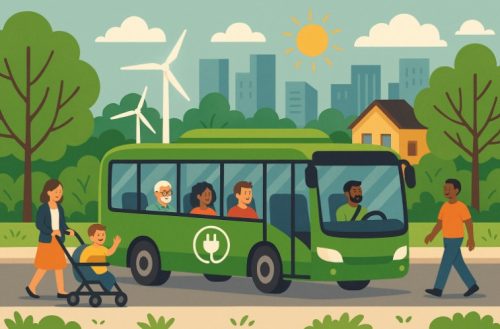
The ripple effects of green bus investments are felt directly at the local level. From better air to reliable services, communities across the UK benefit in meaningful ways.
Environmental Improvements
New zero-emission buses significantly cut down on local pollution, improving air quality and reducing health risks associated with traffic emissions. They also operate more quietly, lowering noise pollution in busy areas.
Transport Accessibility
Upgraded fleets often come with better facilities, including improved accessibility features for people with disabilities and newer technologies for smoother journeys.
These buses also help councils provide more consistent and reliable routes, especially in underserved rural and suburban areas.
Social Impact
These investments encourage local pride and inclusivity by creating more attractive public spaces and offering equitable access to cleaner travel.
Through job creation and improved services, community members are more connected and engaged, both economically and socially.
Which Regions Will Benefit Most from This Transport Investment?
The government has prioritised funding to ensure that both urban and regional communities benefit. Investments are strategically distributed to enhance connectivity and stimulate regional growth, particularly in the Midlands and the North.
Here’s a look at some key recipients of the recent funding round:
| Region/Council | Funding Allocated | Number of Zero-Emission Buses |
| Nottinghamshire County Council | £2.3 million | 42 |
| Hull City Council | £3.9 million | 42 |
| West of England Combined Authority | Nearly £20 million | 160 |
| Sheffield and Bradford | £28 million combined | Unspecified |
These areas were chosen based on strategic transport needs, existing air quality concerns, and readiness to deploy green solutions.
By channelling resources into regions beyond London, the government is creating a more equitable and sustainable national transport landscape.
What Funding and Partnerships Are Powering This Green Transport Movement?
The green bus revolution is backed by a combination of public investment and private partnerships. The government’s Zero Emission Bus Regional Areas (ZEBRA) programme plays a central role in funding, enabling councils to collaborate with manufacturers and operators.
So far, around 60% of government-funded zero-emission buses are being manufactured domestically. This direct investment supports British businesses while boosting the environmental agenda.
Key Funding and Partnership Drivers:
- ZEBRA Programme: Central government funding mechanism for green bus deployment.
- Bus Services Bill: Enhances local authority powers to plan and regulate services.
- Private Investment: Every £1 of public money is matched by at least £3 from private sources.
- UK Bus Manufacturing Expert Panel: Strategic collaboration between mayors, ministers, and manufacturers to secure supply chains.
Through these funding mechanisms and collaborations, the UK ensures that each investment serves multiple objectives, cleaner transport, industrial revival, and community wellbeing.
What Does This Mean for the Future of the UK’s Transport and Manufacturing Sectors?
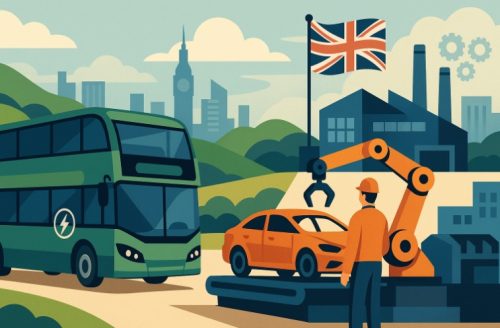
The collaboration between government, industry, and local leaders signals a significant evolution in the UK’s public transport and manufacturing sectors. The focus on zero-emission technology not only aligns with climate goals but also redefines British manufacturing for the 21st century.
By committing to a long-term pipeline of orders, manufacturers are gaining the certainty needed to innovate, expand, and hire. This strategic approach fosters a circular relationship where cleaner transport needs fuel industrial growth, which in turn supports sustainability goals.
Furthermore, the advancement of electric and hydrogen bus production establishes the UK as a potential global hub for clean transport technologies, ensuring both domestic benefits and international competitiveness.
Conclusion
The coordinated backing of greener buses by UK mayors and ministers marks a pivotal moment in the nation’s approach to sustainable transport.
With strong government funding, support for British manufacturers, and tangible benefits for local communities, the movement is set to deliver on its environmental and economic promises.
Through collaboration and strategic planning, the UK is laying the foundation for a cleaner, more connected future, one electric bus at a time.
Frequently Asked Questions
What are the benefits of zero-emission buses compared to traditional diesel models?
Zero-emission buses significantly reduce air and noise pollution, while offering lower operating costs over time. They support healthier communities and sustainable public transport.
Which UK cities are leading the transition to greener bus fleets?
Cities like Sheffield, Bradford, Hull, and Nottinghamshire are among the leading adopters of zero-emission buses, backed by significant government investment.
How does bus fleet electrification contribute to local air quality improvement?
Electrified fleets eliminate tailpipe emissions, leading to cleaner air and lower health risks, particularly in densely populated urban centres.
Are British manufacturers ready to scale up production for green buses?
Yes, UK manufacturers are preparing for long-term demand with government support and partnerships that ensure scalability and innovation.
What funding is available for local councils to invest in greener transport?
Local councils can access funding through programmes like ZEBRA and matched private investments to upgrade their public transport systems.
How will bus users experience changes under the Bus Service Improvement Plans?
Passengers can expect more frequent, reliable, and accessible services with modern, eco-friendly buses enhancing their daily commute.
What impact will these transport changes have on job creation in the UK?
The green transport shift is driving growth in manufacturing and technology sectors, creating thousands of skilled jobs across the country.