

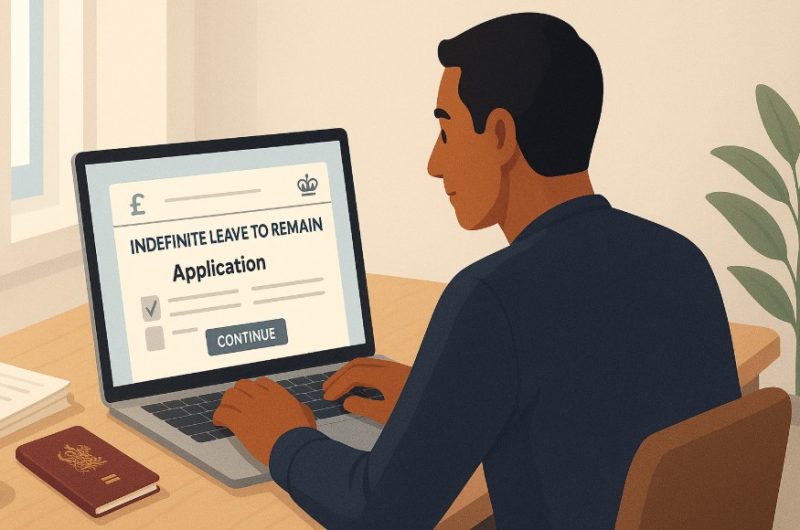
Indefinite Leave to Remain (ILR) is a crucial immigration status in the United Kingdom that allows non-British citizens to live, work, and study without time limitations.
Achieving ILR is a significant step towards permanent residency and eventual British citizenship. With ILR, you gain access to the National Health Service (NHS), public benefits, and the ability to travel in and out of the UK without the need for re-entry visas.
This guide will walk you through everything you need to know about ILR, from eligibility criteria and required documents to application steps and processing times.
What is Indefinite Leave to Remain (ILR)?
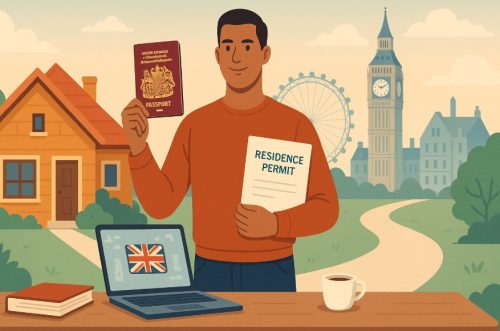
Indefinite Leave to Remain (ILR) is an immigration status granted by the UK government, which allows non-British citizens to live, work, and study in the UK without time restrictions.
Unlike temporary visas, ILR is a form of permanent residency, eliminating the need for visa renewals or extensions. Holders of ILR can access public services like healthcare through the NHS and certain state benefits, similar to British citizens.
Benefits of ILR
- The right to live and work in the UK without time limits.
- Access to the National Health Service (NHS) without additional charges.
- Eligibility for certain public funds and benefits.
- The ability to sponsor family members for UK visas.
- The option to apply for British citizenship after one year of holding ILR.
- Freedom to travel in and out of the UK without the need for re-entry visas.
ILR holders, however, must be cautious when traveling. If they leave the UK for more than two years, their ILR status may be revoked, requiring them to apply for a Returning Resident Visa.
Additionally, ILR can be cancelled if the holder is convicted of serious crimes or found in violation of immigration laws.
What are the Eligibility and Requirements for Indefinite Leave to Remain (ILR)?
Indefinite Leave to Remain (ILR) is a key step toward permanent residency in the UK, granting you the right to live and work without time restrictions. To qualify, applicants must meet specific eligibility criteria based on their visa route and personal circumstances.
General Eligibility Requirements
- Continuous Residence: You must have lived lawfully in the UK for the required period, typically 5 years, depending on your visa category.
- Absence Limit: You must not have been outside the UK for more than 180 days in any 12-month period during your qualifying residency.
- English Language Proficiency: You need to demonstrate proficiency in English at a B1 level or above, unless exempt.
- Life in the UK Test: This mandatory test assesses your knowledge of British culture, history, and values.
- Good Character Requirement: You must not have any serious criminal record or immigration violations.
Visa Routes Leading to ILR
- Work Visas: Skilled Worker, Tier 2, Global Talent, and Innovator visas.
- Family Visas: Spouse, Parent, and Child visas.
- Long Residence: 10 years of continuous lawful residence in the UK.
- Other Routes: UK Ancestry, Refugee status, and Humanitarian Protection.
Understanding your specific visa category helps determine the exact path and time required to qualify for ILR.
Which Documents Do You Need for an ILR Application?
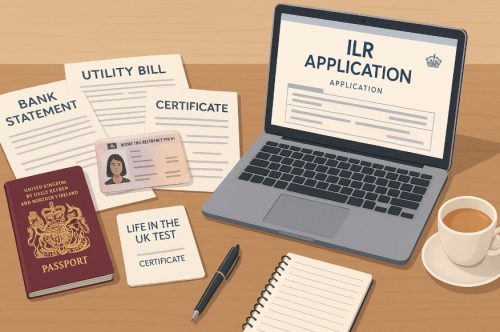
When applying for Indefinite Leave to Remain, submitting the correct documents is essential. Missing or incorrect paperwork is one of the most common reasons for application refusals.
Below is a detailed list of the documents you will need:
| Document Type | Description |
| Passport | Valid passport and any previous ones covering your stay. |
| Biometric Residence Permit | Your current BRP if you have one. |
| Proof of Residence | Utility bills, tenancy agreements, or council tax bills. |
| Financial Evidence | Bank statements, payslips, and employment letters. |
| Life in the UK Test Pass | Certificate proving you passed the Life in the UK Test. |
| English Language Proof | B1 level proficiency test or degree taught in English. |
| Absence Records | Details of time spent outside the UK during your residency. |
| Criminal Record Check | Police certificates if required. |
| Marriage or Partnership | Certificate if applying through a spouse or partner visa. |
Ensure these documents are accurate, up-to-date, and well-organised to avoid delays or rejections.
How to Apply for Indefinite Leave to Remain (ILR)?
Applying for Indefinite Leave to Remain (ILR) in the UK is a structured process that requires attention to detail and careful planning. Below is a step-by-step guide to help you navigate the application process smoothly:
Step 1: Check Your Eligibility
- Verify that you meet the residency requirement for your visa category.
- Confirm you have not exceeded 180 days of absence from the UK in any 12-month period.
- Ensure you meet the English language requirement and have passed the Life in the UK Test.
- Check that you do not have any immigration violations or serious criminal records that might affect your application.
Step 2: Complete the Online Application Form
- Visit the official UK government website to access the Set(O) or Set(M) form, depending on your visa type.
- Fill out all required sections, including personal information, travel history, and residency details.
- Review the application carefully before submission to avoid mistakes that could delay processing.
Step 3: Gather Supporting Documents
- Collect all required documents, such as your passport, biometric residence permit, proof of residency, and financial evidence.
- Make sure all documents are recent, legible, and organised logically.
- If any documents are in a language other than English, ensure you provide certified translations.
Step 4: Book a Biometric Appointment
- Schedule a biometric appointment at a UKVCAS (UK Visa and Citizenship Application Services) centre.
- At this appointment, you will need to:
- Provide fingerprints and photographs.
- Submit digital copies of your supporting documents if not uploaded online.
- Verify your identity.
Step 5: Pay Application Fees
- The standard fee for an ILR application is £3,029 per applicant.
- You may also need to pay £19.20 for biometric processing.
- If you choose the Priority Service (£500) or Super Priority Service (£1,000), additional costs apply.
Step 6: Submit Your Application
- After attending your biometric appointment, upload any remaining documents online.
- Ensure you receive confirmation of submission, which will include your unique application reference number.
- You can track the progress of your application online.
Step 7: Await the Decision
- Standard processing for ILR applications takes up to six months.
- If you opted for Priority or Super Priority services, you may receive a decision in 5 working days or 24 hours, respectively.
- Once approved, you will receive a Biometric Residence Permit (BRP) confirming your ILR status.
Successfully completing these steps increases your chances of gaining Indefinite Leave to Remain without unnecessary delays.
What Tests Are Required for ILR?
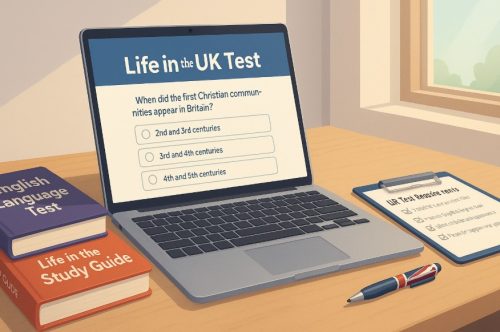
To secure Indefinite Leave to Remain, you are required to pass two critical tests:
Life in the UK Test
Life in the UK Test is a mandatory test for all ILR applicants between the ages of 18 and 64. It assesses your understanding of British culture, history, traditions, and values.
- The test consists of 24 multiple-choice questions.
- You must score at least 75% to pass.
- The cost for the test is £50.
- You can take the test as many times as needed, but you must pay for each attempt.
English Language Requirement
You must demonstrate English proficiency at a B1 level or higher. This can be done through:
- Passing an approved Secure English Language Test (SELT).
- Holding a degree taught in English.
- Being a citizen of an English-speaking country (e.g., USA, Australia, Canada).
If you have previously passed an approved test for a visa, you may use the same certification for your ILR application, provided it is still valid.
What Are the Effective ILR Application Tips?
Applying for Indefinite Leave to Remain (ILR) requires attention to detail, strong documentation, and a clear understanding of the eligibility requirements. Avoiding simple mistakes can make a significant difference in your application’s success.
Key Tips for a Successful ILR Application
- Organise Your Documents: Create a checklist and place all items, such as passports, financial records, and test results, in logical order.
- Review the Application Carefully: Double-check all sections for spelling errors, incorrect dates, or missing information before submitting.
- Prepare for the Biometric Appointment: Bring the required ID and confirmation documents, and plan to arrive early to prevent delays.
- Take the Life in the UK Test Early: Use official study materials and book your test once eligible to avoid last-minute stress.
- Track All Absences: Maintain a clear record of any time spent outside the UK and ensure you stay within the 180-day annual limit.
- Stay Updated on Rules: Monitor the UK government’s immigration site regularly for policy changes that may affect your application.
- Seek Legal Help if Unsure: Consider consulting an immigration solicitor for guidance, especially in complex or borderline cases.
By following these practical tips, you can approach your ILR application with confidence and improve your chances of success.
What to Do After Applying for ILR?
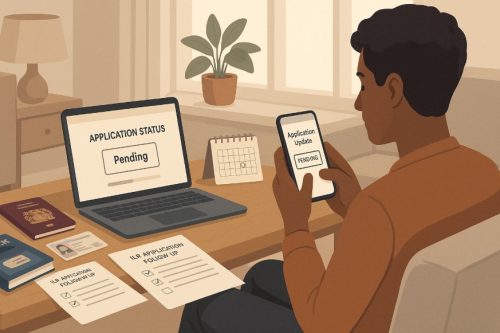
Once your ILR application is submitted, you will enter a waiting period while the Home Office processes your request. During this time, you should ensure that you are easily reachable and have access to all required documents in case additional information is requested.
Understanding what to do after you apply can help you manage expectations and prepare for the next steps, whether your application is accepted or rejected.
What If Accepted?
If your ILR application is approved, you will receive a Decision Letter from the Home Office, confirming your new status. You will also receive a Biometric Residence Permit (BRP) as physical proof of your ILR status.
This BRP allows you to:
- Work in the UK without restrictions.
- Access public services like the NHS.
- Apply for benefits if eligible.
- Travel in and out of the UK freely.
Your BRP is a crucial document that you should keep secure. If you lose it, you will need to apply for a replacement, which can take several weeks. Additionally, you may apply for British Citizenship after holding ILR for one year.
What If Rejected?
If your ILR application is rejected, it is important not to panic. The Home Office will provide a detailed explanation for the refusal, including the specific grounds that led to the decision.
Common reasons for rejection include insufficient documentation, not meeting residency requirements, or failing the Life in the UK Test.
Upon rejection, you have a few options:
- Administrative Review: If you believe there was an error in the decision, you can request a review.
- Reapply: You can submit a fresh application after addressing the issues mentioned.
- Appeal: In certain cases, you may have the right to appeal the decision.
It’s crucial to understand the reasons for rejection before taking your next step. Consulting with an immigration expert can also help you strengthen your case if you choose to reapply.
How Much Does it Cost to Apply for Indefinite Leave to Remain?
Applying for Indefinite Leave to Remain in the UK involves specific costs that must be settled during the application process.
The standard fee for an ILR application is £3,029 for each individual applicant. This includes the primary applicant and any dependents, such as a spouse or children.
The fee covers the cost of processing your application and issuing your Biometric Residence Permit (BRP).
Additionally, you may incur extra costs for:
- Biometric Appointments: Required for fingerprints and photographs, typically costing around £19.20.
- Super Priority Service: An optional service costing £1,000, allowing for a faster decision, usually within 24 hours.
- Legal Advice or Application Assistance: If you choose to use an immigration lawyer, costs will vary based on complexity.
It is important to ensure that all fees are paid at the time of submission. Failure to pay the correct amount can result in delays or even application rejection.
How Long Does the ILR Application Process Take?
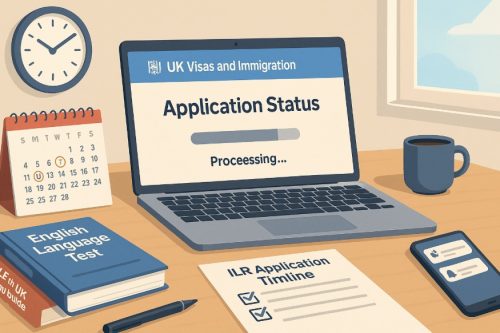
The processing time for an Indefinite Leave to Remain application usually takes up to 6 months. This is the standard processing time, during which the Home Office reviews your documents, checks your eligibility, and assesses your application.
However, the timeline can be shorter or longer depending on various factors:
- Priority Service: If you opt for the Priority Service (£500 additional cost), your application may be processed within 5 working days.
- Super Priority Service: For an extra £1,000, the Super Priority Service guarantees a decision by the next working day.
- Complex Cases: Applications with complicated immigration histories or incomplete documents may take longer.
During processing, the Home Office may contact you for additional documents or clarifications. If everything is in order, you will receive a decision letter and, if successful, your Biometric Residence Permit (BRP).
Conclusion
Applying for Indefinite Leave to Remain (ILR) in the UK is a critical step towards achieving permanent residency and potential British citizenship.
Understanding the eligibility criteria, gathering the necessary documentation, and navigating the application process are crucial for success.
ILR not only provides the right to live, work, and study in the UK without restrictions but also opens the door to British citizenship after one year.
Whether you are applying based on work, family, or long-term residency, following the correct process and avoiding common mistakes can significantly improve your chances. With proper preparation, ILR can be your gateway to long-term stability and security in the UK.
FAQs About Applying Indefinite Leave to Remain (ILR)
Can I travel outside the UK while my ILR application is pending?
Yes, you can travel outside the UK while your ILR application is pending, but it is generally not recommended, as it could complicate your re-entry and application status.
What happens if my ILR application is refused?
If your ILR application is refused, you will receive a letter detailing the reasons, and you can either reapply, request an administrative review, or appeal the decision if eligible.
How long can I stay outside the UK after getting ILR?
You can stay outside the UK for up to two years with ILR. If you exceed two years, your status may be revoked, and you may need to apply for a Returning Resident Visa.
Is there an interview process for ILR applications?
Not typically. Most ILR applications are processed based on submitted documents. However, in rare cases, you may be called for an interview if further clarification is needed.
Do I need to renew Indefinite Leave to Remain?
No, ILR does not require renewal. However, you need to ensure you do not stay outside the UK for more than two years to avoid losing your status.
Can ILR be revoked or cancelled?
Yes, ILR can be revoked if you are outside the UK for more than two years, are deported, or commit immigration fraud.
What are the differences between ILR and British Citizenship?
ILR grants indefinite residency, while British citizenship gives you the right to vote, obtain a British passport, and run for public office.