

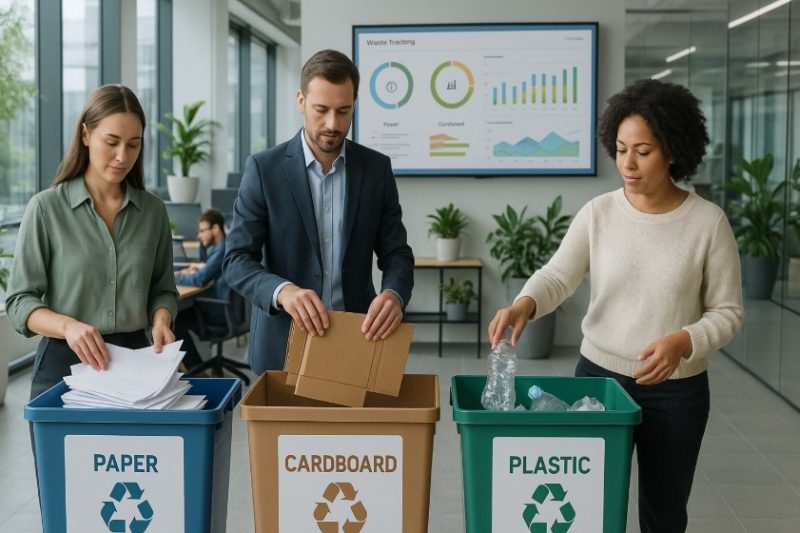
In 2026, sustainability is no longer just a buzzword it’s a business necessity. Whether you operate a small retail shop or a multinational corporation, your waste output has financial, environmental, and reputational consequences.
A clear waste management strategy not only helps you meet legal requirements but also drives cost efficiency, resilience, and customer trust.
By implementing a structured waste plan, companies can minimize environmental impact, optimize resources, and showcase commitment to corporate responsibility a vital step for maintaining a competitive edge in a more eco-conscious market.
Key Reasons Why Every Business Needs a Waste Strategy in 2026

1. Cost Efficiency & Resource Optimization
Reduction of Disposal Costs
Many businesses still treat waste as an unavoidable expense. Without proper tracking of volumes and disposal routes, costs quickly add up. A strategic waste plan involves auditing, segregation, and recycling, ensuring you only pay for genuine disposal needs instead of unnecessary landfill fees.
Recovery of Value / Circular Opportunities
Materials like paper, metal, and plastic often have recycling value. A comprehensive waste strategy can identify these opportunities, allowing businesses to recover costs or even generate revenue. By renegotiating supplier contracts or selling recyclable waste, companies can turn what was once a liability into an asset.
Operational Efficiencies & Space Savings
Unmanaged waste takes up valuable storage and disrupts daily operations. A structured plan ensures timely removal, optimised bin placement, and safer, cleaner workplaces all of which contribute to greater productivity.
2. Regulatory & Compliance Risk Mitigation
Growing Environmental Regulation
In 2026, regulations surrounding waste management, recycling, and extended producer responsibility are more stringent than ever. Non-compliance can result in hefty fines or reputational damage. A clear waste strategy ensures that your business stays compliant through regular tracking, documentation, and reporting.
Due Diligence in Contracts & Supply Chains
Suppliers, clients, and investors increasingly demand proof of responsible waste management. Having a transparent strategy demonstrates your business’s proactive approach to environmental risk, strengthening stakeholder confidence.
3. Brand & Stakeholder Value
Consumer and Client Sustainability Expectations
Modern consumers prefer brands that prioritise the planet. Transparent and ethical waste management practices boost brand reputation and customer loyalty. Neglecting this can lead to public criticism and lost opportunities.
Employee and Partner Pride
Employees feel more engaged and motivated when they work for a company that genuinely values sustainability. A clear waste policy fosters workplace pride and encourages participation in eco-friendly practices.
Investor and Reporting Standards
Investors now evaluate businesses through an ESG (Environmental, Social, and Governance) lens. Without proper waste data, your business may fail to meet reporting standards, potentially affecting funding or partnerships. A waste strategy ensures you have measurable metrics for compliance and growth.
4. Sustainability & Climate Impact
Carbon and Greenhouse Gas Reductions
Waste contributes significantly to global emissions, especially when sent to landfills. Recycling and reusing materials reduce methane production and lower your carbon footprint. With a solid waste strategy, businesses can quantify and minimise their environmental impact.
Circular Economy Alignment
The circular economy focuses on reusing and repurposing rather than discarding. By reducing waste generation at the design stage for instance, through sustainable packaging or material reuse your company becomes part of a larger movement toward long-term sustainability.
5. Crisis Preparedness & Resilience
Supply Chain Disruptions and Shocks
Unexpected disruptions like strikes, new waste taxes, or logistical breakdowns can cripple operations. A robust waste strategy includes contingency planning and multiple disposal options to ensure continuity during crises.
Scalability and Growth
As your business grows, so does your waste. A scalable waste management framework complete with contracted partners, scheduled collections, and ongoing audits prevents waste from becoming a bottleneck in your expansion plans.
How to Build an Effective Waste Strategy?
- Conduct a Waste Audit: Identify and categorise your waste streams to establish a baseline for volume, cost, and disposal routes.
- Segregate Waste Efficiently: Introduce designated bins and train staff on proper waste separation.
- Collaborate with Suppliers: Encourage eco-friendly packaging and recyclable materials in procurement.
- Partner with a Reliable Waste Removal Company: Work with professionals who understand compliance and sustainability.
- Set KPIs and Monitor Progress: Track waste reduction, recycling rates, and disposal costs regularly.
- Continuously Improve: Update your plan to include emerging recycling technologies or sustainability innovations.
Why Partnering with a Professional Waste Company Matters?
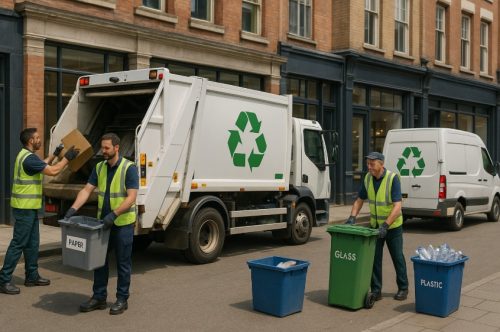
Working with a licensed waste removal provider ensures that your business remains compliant, efficient, and environmentally responsible. One such trusted partner is www.quickwasters.co.uk, a leading rubbish removal company in London offering reliable and eco-friendly waste collection services.
Quick Wasters provides:
- Timely and flexible rubbish removal for commercial and residential clients
- Full compliance with UK waste disposal laws
- Recycling and responsible waste handling to reduce landfill contribution
- Affordable solutions that align with business sustainability goals
Partnering with experts like Quick Wasters simplifies waste management, allowing you to focus on your core business while meeting environmental responsibilities.
Conclusion
As we move into 2026, having a waste strategy is not just about compliance, it’s about leadership. Businesses that manage waste efficiently demonstrate accountability, save money, and enhance their reputation in a sustainability-driven economy.
By adopting a structured waste plan and working with professional services, your business can operate cleaner, smarter, and more responsibl,y shaping a greener future for all.
FAQs
Why is a waste strategy important for businesses in 2026?
A waste strategy helps businesses reduce costs, comply with regulations, and improve their environmental impact, all key factors for success in 2026.
How can a business start developing a waste strategy?
Begin with a waste audit to identify what’s being discarded, then create a plan for reduction, recycling, and responsible disposal.
What are the common types of business waste?
Typical business waste includes paper, packaging, electronics, food waste, metals, and plastics, many of which can be recycled.
How does a waste strategy improve brand reputation?
Customers value sustainability. A transparent and responsible waste plan shows commitment to the environment, enhancing brand trust.
What are the financial benefits of managing waste effectively?
Efficient waste management reduces disposal costs, recovers recyclable value, and avoids fines directly improving profitability.