

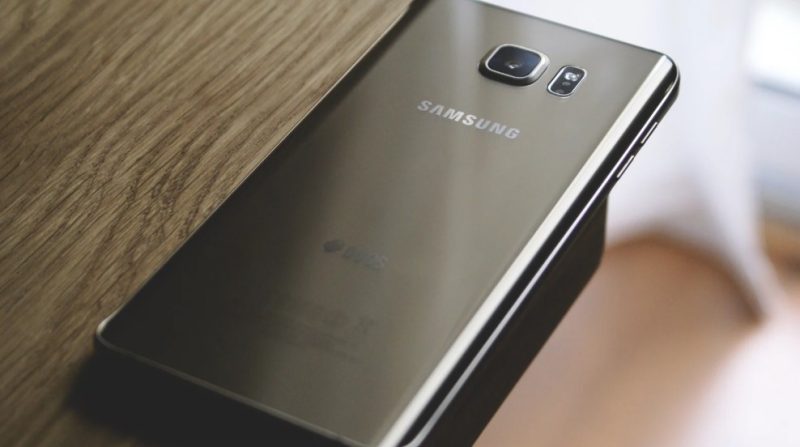
Samsung has consistently set benchmarks in mobile innovation, but the upcoming Galaxy S26 Ultra may introduce one of its most practical features yet: a built-in Privacy Display.
Designed to reduce visibility from side angles, this technology aims to protect sensitive information in public spaces without relying on bulky screen protectors or third-party add-ons.
Today’s smartphones are no longer limited to calls and messaging. They’ve become all-in-one tools for productivity, finance, and entertainment.
This includes casual gaming experiences like playing MrQ online slots, which are designed for speed and clarity on mobile devices. In busy environments, from cafés to buses, the ability to shield screen content from nearby onlookers is becoming just as important for gaming as it is for banking or work-related tasks.
How Will the Galaxy S26 Ultra Smartphone Redefine Privacy in Mobile Technology?
Privacy Without the Plastic
Historically, those concerned about screen privacy had to rely on physical privacy filters. These accessories reduced brightness, distorted colors, and often made touch interactions less responsive. Samsung’s new approach integrates privacy directly into the display itself, preserving screen quality while offering a built-in, customizable solution.
According to leaks reported by Android Central, Samsung’s Privacy Display will be a combination of hardware and software controls embedded within One UI 8.5.
The feature will allow adjustments to the privacy effect’s intensity and offer automated triggers based on context, activating when the phone detects it’s in a public setting or when sensitive apps, like mobile banking, are in use.
How the Privacy Display Works?
Leaked screenshots show a robust settings menu with Custom Conditions, allowing users to decide exactly when and where privacy mode should activate. Notifications, lock screen PIN fields, and even specific parts of the display can be blurred or dimmed automatically.
A rumored “Maximum Privacy” mode may take things further. That makes content virtually unreadable from side angles while keeping it sharp for the user. This would be particularly valuable in crowded environments, where shoulder surfing is common.
Flex Magic Pixel
At the core of this feature lies Flex Magic Pixel technology. Unlike static polarizing layers, Flex Magic Pixel dynamically alters pixel behavior in real time to change how light is emitted at different angles.
This is believed to be paired with Samsung’s Color Filter on Encapsulation (CoE) technology, which improves brightness and reduces screen thickness even with the privacy layer enabled.
Because this approach actively manages viewing angles, it can provide privacy without permanently sacrificing brightness or color fidelity. Early reports also hint at AI involvement, enabling the phone to learn usage patterns and optimize privacy controls automatically.
What Else the Galaxy S26 Ultra Brings?
While the Privacy Display is generating headlines, leaks also point to other refinements in the S26 Ultra. CAD renders show a more rounded body, moving away from the boxy look of the S25 Ultra and aligning it with Samsung’s FE and base S models.
The camera hardware, however, may see only modest changes. Current rumors suggest a 200MP primary sensor, 50MP ultrawide, 5x optical zoom, and a downgraded 3x optical zoom sensor compared to its predecessor.
While this could disappoint some photography enthusiasts, Samsung is expected to lean on software optimization to maintain image quality.
Under the hood, the device is rumored to feature Qualcomm’s Snapdragon 8 Gen 5 chipset, paired with upgraded RAM and storage options. The display itself is likely to be an M14 OLED panel, bringing improved brightness and efficiency, even with privacy features enabled. The S Pen stylus is also expected to return with a softer, more ergonomic design.
Challenges and Unknowns
Despite its promise, the Privacy Display raises some open questions. Will activating it reduce brightness or color accuracy significantly? How will it impact gaming, video playback, or reading? And will battery life be affected by the additional processing?
Until Samsung officially confirms details, the answers remain speculative. But given Samsung’s track record with display technology and One UI refinements, expectations for a well-executed solution are high.
Is This the Future of Smartphone Screens?
If Samsung successfully launches this feature as described, it could set a new industry standard. Competitors like Apple and Google may follow, embedding privacy controls directly into their displays rather than relying solely on software encryption or external filters.
This approach would also signal a change in how premium smartphones are marketed as faster or more powerful, as well as more intentional and secure devices built for modern, mobile-first lifestyles.
Why the Galaxy S26 Ultra’s Privacy Display Could Redefine Mobile Security?
The Galaxy S26 Ultra may not revolutionize photography or performance in one leap, but its rumored Privacy Display could deliver one of the most meaningful quality-of-life improvements seen in recent smartphone history.
By combining cutting-edge display technology with AI-driven controls, Samsung appears poised to address one of the most overlooked aspects of mobile life like keeping personal content private in public spaces.
If the feature lives up to the leaks, the Galaxy S26 Ultra might indeed become the most private smartphone yet and a device that protects information not just in the cloud but right on the screen.