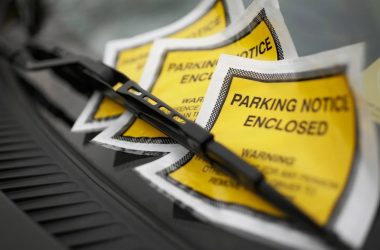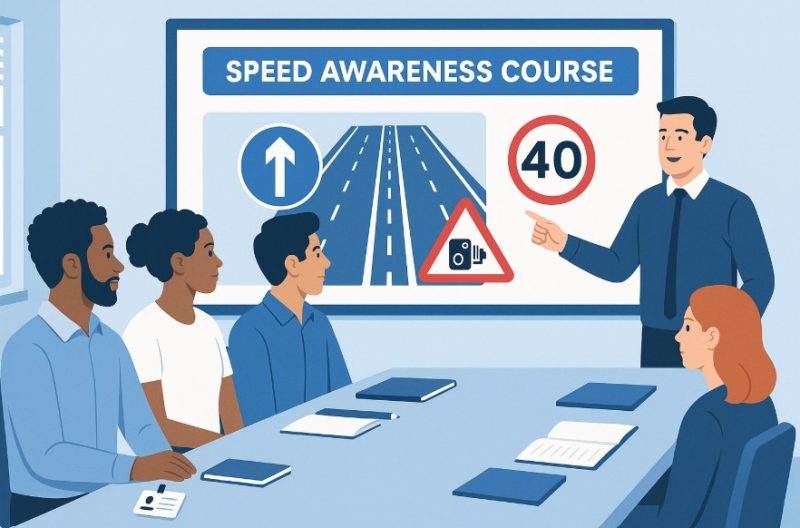
Have you recently received a notice for speeding and been offered a speed awareness course? If so, you might be wondering what it entails and whether it’s a better alternative to penalty points on your driving licence.
These educational sessions are designed to improve driver awareness and promote safer behaviour on the road. In the UK, they are commonly offered as a one-time opportunity to first-time or minor speed offenders.
Choosing the course can potentially save your insurance premiums and driving record. This guide will help you understand exactly what to expect from the course and how to navigate it effectively.
What Is a Speed Awareness Course?
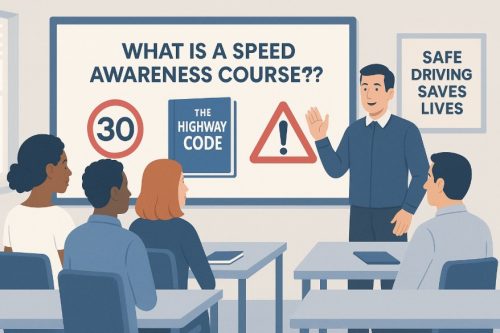
A speed awareness course is a driver education programme offered to motorists caught speeding. Instead of receiving penalty points and a fine, eligible drivers are given the opportunity to attend this course to learn about road safety and the consequences of speeding.
It is a theory-based class, not a practical driving session. The aim is to re-educate drivers on legal speed limits, responsible behaviour, and the risks associated with exceeding speed limits.
Typically lasting around four hours, it is designed to encourage long-term behavioural change and safer driving practices.
Why Is It Offered in the UK?
Speed awareness courses are part of the UK’s broader road safety strategy. Rather than punishing drivers with fines and points, the system promotes education and responsibility.
Key reasons for offering the course:
- Encourage better driving habits through education
- Reduce the likelihood of reoffending
- Support the National Driver Offender Retraining Scheme (NDORS)
- Improve public safety without adding penalty points
- Reduce administrative pressure on courts
These courses are offered at the discretion of local police forces and are supported by research that suggests re-education is more effective than punishment for minor speeding offences.
Who Is Eligible for a Speed Awareness Course Instead of Penalty Points?
Not every driver caught speeding will be offered a speed awareness course. Eligibility is determined by the nature of the offence and the discretion of the police.
Generally, only those caught driving just above the speed limit, typically within 10% + 9 mph, may be considered. Additionally, the course must not have been attended by the individual in the last three years.
Eligibility Criteria
| Speed Limit Zone | Minimum Eligible Speed | Maximum Eligible Speed |
| 20 mph | 24 mph | 31 mph |
| 30 mph | 35 mph | 42 mph |
| 40 mph | 46 mph | 53 mph |
| 50 mph | 57 mph | 64 mph |
| 60 mph | 68 mph | 75 mph |
| 70 mph | 79 mph | 86 mph |
Additional rules include:
- You must not have attended a similar course within the last 3 years
- You must not be facing a court summons for another offence
- The offence must not involve dangerous or reckless driving
Police forces use discretion based on these guidelines, so you may or may not be offered the course even if you meet the speed criteria.
What Happens on a Speed Awareness Course?
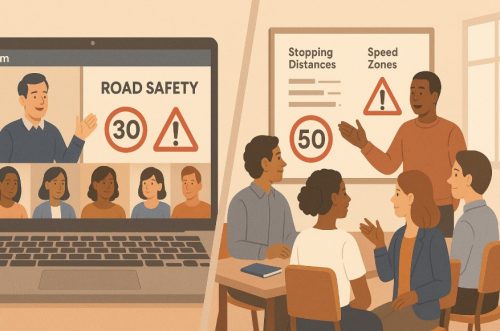
The course is structured to promote self-awareness and responsibility through interactive learning. There are no driving tests involved, and the environment is respectful and educational.
The course typically includes:
- Instructor-led presentations and road safety discussions
- Videos showing real-life incidents and consequences
- Exercises in small groups to reflect on decision-making
- Understanding road signs, speed limits, and braking distances
- Tips for safe driving and resisting peer pressure
Participants are encouraged to share experiences and learn from each other. The aim is to equip you with the knowledge and mindset needed to avoid speeding again.
How Long Does a Speed Awareness Course Take?
Most courses last between 2.5 and 4 hours, including short breaks. This timeframe is consistent across both online and in-person sessions.
It’s essential to be logged in or present at the venue from start to finish. Arriving late or leaving early usually means you’ll need to rebook or face the original penalty.
Attendance is monitored, and providers will notify the police upon successful completion. The duration is carefully chosen to ensure you receive all the necessary educational content without it being overly taxing.
Will You Have to Take a Test at the End of the Course?
No formal test is administered. You won’t have to complete a written or practical exam. However, you are expected to:
- Attend the full course
- Be attentive and respectful
- Participate where appropriate
The instructors observe your engagement and participation. If you fail to meet the behavioural or attendance expectations, the course will not count, and the police may impose the original fine and points. It’s a commitment to learning, not a pass-or-fail evaluation.
Is the Speed Awareness Course Delivered Online or in Person?
Courses are available both online and in physical venues, depending on what your police force offers and your personal preference.
Online sessions have become increasingly common, offering convenience and flexibility. If you choose the virtual route, you’ll need:
- A reliable internet connection
- A device with a webcam and microphone
- A quiet, private space with no distractions
In-person courses are typically held in community centres or hotel conference rooms and provide more face-to-face interaction. Regardless of format, the content and objectives remain the same. You must present valid identification at the start of either session.
How Much Does a Speed Awareness Course Cost in the UK?
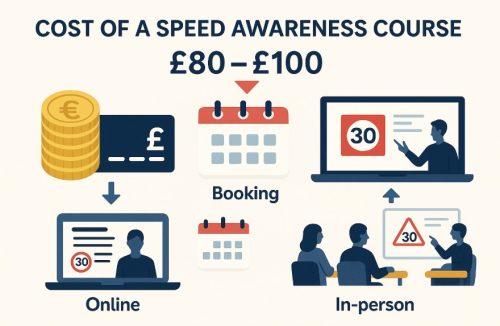
A speed awareness course in the UK typically costs between £80 and £100. The exact price can vary depending on the police force and course provider.
In many cases, online courses are slightly cheaper due to lower running costs. You are responsible for covering the full cost of the course, and payment is usually required upfront at the time of booking.
Some providers may offer instalment options, though this is less common. While the fee might seem high, attending the course can help you avoid receiving penalty points on your driving licence.
This is significant, as penalty points can lead to higher car insurance premiums. In the long run, completing a speed awareness course is often a more cost-effective choice compared to paying a fine and accepting the points. It also serves as a helpful reminder to drive safely and responsibly.
What Are the Benefits of Attending a Speed Awareness Course?
Attending a speed awareness course provides both immediate and long-term advantages. It’s a proactive and educational way to resolve a minor speeding offence without affecting your driving record or accumulating penalty points.
Benefits include:
- Avoiding 3 or more penalty points on your licence
- Preventing a potential increase in your car insurance costs
- Gaining valuable knowledge of updated road laws and safety tips
- Being part of an engaging, instructor-led learning experience with peers
- Improving your risk awareness, reaction time, and overall driving judgement
- Encouraging a safer, more responsible attitude towards speed and road use
These sessions aim to inspire meaningful behavioural change, not just provide legal relief. Most drivers leave with a renewed understanding of road safety, better habits, and a commitment to drive more consciously and carefully in the future.
Can It Help You Avoid Penalty Points?
Yes, one of the main incentives for taking the course is avoiding points on your licence. Upon successful completion, the police are notified, and the offence is not recorded as a conviction.
This not only preserves your clean driving record but also reduces the risk of reaching the 12-point limit, which could result in disqualification. The course acts as a direct alternative to legal penalties, provided the eligibility requirements are met.
How Does a Speed Awareness Course Affect Car Insurance?
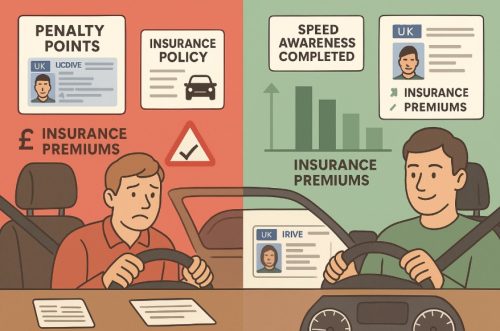
One major consideration when deciding whether to attend a speed awareness course is its effect on your car insurance.
Unlike penalty points, the course itself does not appear on your driving record, and you’re not legally required to disclose it, unless your insurer specifically asks.
Key considerations:
- Some insurers ask if you’ve completed a course, while others do not
- If asked, you must answer truthfully or risk invalidating your policy
- Many insurers will not increase premiums after course completion
- A speeding conviction, on the other hand, typically raises costs significantly
By avoiding points, you reduce your risk profile, making you a more favourable customer in the eyes of most insurance providers.
Is the National Speed Awareness Course the Same Across the UK?
Yes, the National Speed Awareness Course is standardised across the UK under the National Driver Offender Retraining Scheme (NDORS).
This ensures that all participants receive consistent educational content and quality, regardless of where or with whom they take the course. The core topics, structure, and objectives are the same nationwide, maintaining a high standard of road safety training.
However, slight differences may exist in the delivery depending on the course provider, such as DriveTech, TTC Group, or other accredited organisations.
These variations might include the presentation style, instructor tone, level of engagement, or the virtual interface and support tools used for online courses. Despite these minor differences, all providers meet the same strict national guidelines.
So whether you attend in person or online, you can be confident that you’re receiving the same level of compliance, education, and road safety training.
Conclusion
If you’re given the opportunity to attend a speed awareness course, it’s worth serious consideration. Not only does it help you avoid penalty points, but it also refreshes your knowledge of safe driving practices.
The course is practical, informative, and focused on reducing speeding incidents across the UK. Whether you’re a new driver or have years of experience, the session offers valuable insights that benefit everyone.
Choosing education over punishment could protect your driving record and promote safer roads for all.
FAQs About Speed Awareness Course
What Documents Do You Need to Bring to the Course?
You’ll typically need to bring valid photo ID and your course booking confirmation. Details are usually emailed in advance by the course provider.
Can You Fail a Speed Awareness Course in the UK?
No formal test failure, but failing to attend fully or behave appropriately may result in losing the chance to avoid penalty points.
Is It Mandatory to Disclose a Speed Awareness Course to Your Insurer?
It depends on the insurer. While not a conviction, some insurers require disclosure, so it’s always best to check your policy terms.
How Often Can You Take a Speed Awareness Course?
You can only attend once every three years from the date of your offence. Repeat offences within that period may lead to penalty points.
Can You Choose the Course Provider or Location?
In most cases, yes. NDORS allows you to select from approved providers, either near your home or online.
Will Taking the Course Impact Your Driving Licence Record?
No points will be added if you complete the course, and the offence is not recorded as a conviction on your licence.
What Happens If You Miss or Cancel the Course Booking?
Missing the course without valid notice usually results in losing the chance to avoid points, and you may face prosecution for the original offence.