

Britain’s long and complex tax history is filled with fascinating stories, and few are as curious as the Window Tax. Introduced in the late 17th century, this levy on property windows shaped architecture, public health, and societal norms for over 150 years.
From Georgian townhouses to rural cottages, the effects of this tax can still be seen today in bricked-up windows across the UK.
Though it was initially implemented as a progressive means of raising revenue, the tax soon became deeply unpopular and controversial. It not only influenced building design but also brought about public unrest, health concerns, and long-lasting architectural legacies.
Understanding the Window Tax offers a unique perspective into Britain’s social history and how taxation can affect everyday life.
What is Window Tax in UK?

The Window Tax was a property-based levy first introduced in England and Wales in 1696 during the reign of King William III.
It was designed to serve as a form of wealth tax, where households with more windows were charged more, reflecting the idea that wealthier individuals owned larger, more luxurious homes with numerous windows.
The tax targeted the number of windows in a building, assuming a direct correlation between the window count and the occupant’s financial status.
In its earliest form, homes with fewer than ten windows were exempt or paid a reduced rate. Those with more than ten windows faced increasing charges depending on how many additional windows they had.
This structure evolved over time, but the principle remained consistent, more windows meant higher taxation. This tax applied to residential dwellings and was levied on the occupiers, not necessarily the owners.
Lasting until 1851, the Window Tax left a physical mark on Britain’s buildings and remains a notable example of how economic policy can influence society and infrastructure.
Why Was the Window Tax Introduced in Georgian Britain?
The Window Tax emerged during a time of economic necessity. The British government needed new revenue streams after heavy losses from a crisis known as coinage clipping, where precious metals were shaved from coins, leading to widespread monetary instability.
In 1696, William III’s government introduced this tax to make up for lost income due to the re-minting of clipped coins.
Key Reasons Behind the Tax
- Revenue Recovery: Coin clipping had reduced the overall currency value, and the treasury needed to recover from the recoinage effort.
- Progressive Intent: The tax was meant to target the wealthy, assuming homes with more windows signified greater wealth.
- Simplicity and Visibility: Counting windows was easier than assessing property value or income, especially at a time with no standardised valuation system.
- Avoidance of Income Tax: Direct taxes on income were politically unpopular and difficult to enforce, so a property-based model was preferred.
This method allowed the government to estimate wealth based on physical property features, aligning with other early taxation principles where visible signs of prosperity dictated one’s tax burden.
How Did the Window Tax Work in Practice?

The Window Tax operated under a tiered system that charged occupiers based on the number of windows in their homes.
Initially, properties with fewer than ten windows were exempt or paid a reduced house tax. Over time, the law was modified to adapt to revenue needs and societal changes.
In its first form:
- 10–14 windows: A set charge was applied.
- 15–19 windows: A higher rate was levied.
- 20+ windows: The highest rate applied.
This meant that large homes, often owned by the wealthy, paid significantly more. The tax was collected annually by local assessors, who would count visible windows from the street.
This method led to loopholes, people bricked up or disguised windows to reduce the count, avoiding taxation. Importantly, the tax was paid by the person living in the property, not necessarily the landlord or owner.
Despite appearing straightforward, the tax created widespread discontent and led to many unexpected consequences.
What Impact Did the Window Tax Have on Architecture?
The influence of the Window Tax extended far beyond financial burdens, it transformed British architecture.
Builders and homeowners, eager to avoid high tax rates, began designing homes with fewer windows or bricking up existing ones. The result was a noticeable change in building facades across towns and cities.
Terraced houses built in the 18th and early 19th centuries often featured symmetrical designs but conspicuously missing or sealed windows, especially on upper floors. In many cases, people intentionally altered their homes to reduce their tax liability.
Window frames were filled with bricks, yet decorative elements were left intact to maintain symmetry and aesthetics.
This also affected how natural light entered homes. Buildings became darker and poorly ventilated. As this architectural trend spread, it became a signature feature of Georgian and early Victorian-era properties.
Even today, bricked-up windows serve as a visual reminder of the unintended architectural legacy of this peculiar tax policy.
Did the Window Tax Really Lead to Bricked-Up Windows?
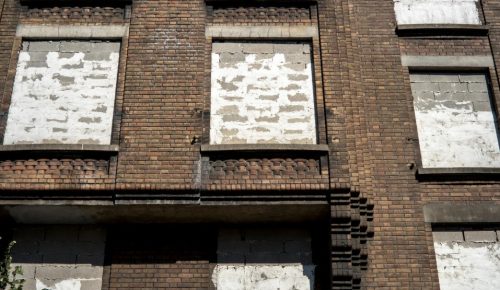
Yes, one of the most direct and visible consequences of the Window Tax was the widespread bricking up of windows.
As the tax depended solely on the number of windows, homeowners and landlords quickly began sealing off window spaces to reduce their tax burden. This action, though economically sensible, had broader implications.
In urban areas, where houses were densely packed and ventilation was already limited, blocking windows significantly reduced light and airflow. People living in such conditions often faced deteriorating living standards.
In many cases, original architectural designs included more windows, which were later filled in with bricks, sometimes haphazardly, after construction or during modifications to meet tax demands.
These bricked-up windows remain evident across Britain, especially in historic districts. They’re a physical testament to how a single tax policy shaped both domestic architecture and the behaviour of an entire population.
The term “daylight robbery” is frequently linked to this era, symbolising how the tax literally cost people their access to daylight.
How Was the Window Tax Viewed by the Public?
The Window Tax became deeply unpopular across all levels of British society. Though it was meant to tax the wealthy, its practical impact affected everyone, particularly the urban poor.
Tenants, who didn’t own their properties but lived in them, often suffered the consequences of landlords bricking up windows to avoid paying.
The public widely criticised the tax as a levy on light and air. As homes became darker and less ventilated, many doctors, writers, and public figures voiced concern about its health implications. The lack of airflow was linked to the spread of diseases like tuberculosis, typhus, and smallpox.
Resistance wasn’t just verbal, there were petitions, protests, and widespread manipulation of building designs to outwit tax inspectors. In the public consciousness, the tax embodied government overreach and unfairness.
Over time, this strong opposition contributed to mounting pressure on policymakers, leading to eventual repeal after more than 150 years of enforcement.
When and Why Was the Window Tax Repealed?
Repeal Timeline
The Window Tax was officially abolished in 1851, following intense public and professional opposition. The final decision came after years of debates about its social and health consequences.
Reasons for Repeal
- Health Concerns: Public health reformers argued that poor ventilation contributed to epidemics and respiratory illnesses.
- Economic Pressure: The tax was seen as regressive and detrimental to property value and urban development.
- Social Reform Movements: The mid-19th century was a time of social progress, with rising awareness of the poor living conditions among the working class.
- Political Will: Parliament acknowledged the tax’s flaws and sought fairer forms of taxation.
The repeal marked a significant shift in taxation philosophy. It acknowledged that even well-intentioned policies could harm the public when poorly implemented. Its abolition also paved the way for more equitable property and income tax systems in the UK.
What Other Strange British Taxes Existed During the Same Period?

The Window Tax wasn’t the only peculiar levy introduced in Georgian and Victorian Britain. The era was known for creative, and sometimes bizarre, forms of taxation aimed at increasing government revenue.
Other Odd Taxes Included
- Brick Tax (1784–1850): Taxed building materials based on brick quantity, leading to larger bricks being made to reduce count.
- Wallpaper Tax (1712–1836): Levied on decorative wallpaper, pushing people to paint walls instead.
- Hearth Tax (1662–1689): Taxed homes based on the number of fireplaces.
- Hat Tax (1784–1811): Required a tax stamp on hats; aimed to tax fashion trends among the wealthy.
- Clock and Watch Tax (1797–1798): Targeted personal timepieces, quickly repealed due to public resistance.
These taxes reflect a historical pattern, targeting visible indicators of wealth. While imaginative, many backfired, leading to behavioural changes and avoidance tactics, much like the response to the Window Tax.
Is There Any Lasting Legacy of the Window Tax Today?
Yes, the Window Tax left behind both physical and cultural legacies. The most visible reminders are in the architecture of older buildings across the UK, where bricked-up windows still adorn facades.
These features, once signs of economic evasion, are now valuable clues for historians and conservationists.
The tax also introduced the idea that government policy could have unintended architectural and health impacts. Urban planning and public housing initiatives in the later 19th century often referenced the mistakes of the Window Tax era, advocating for light, space, and ventilation.
In cultural memory, the phrase “daylight robbery” is frequently cited as having originated from this tax, although historians debate its exact etymology.
Regardless, the tax remains symbolic of how taxation, when poorly designed, can disrupt daily life and leave a permanent imprint on society.
How Did the Window Tax Affect Health and Living Conditions?
The health implications of the Window Tax were profound, particularly in rapidly growing urban centres. By discouraging windows, the tax indirectly limited natural light and airflow, two essentials for healthy living conditions.
Doctors in the 18th and 19th centuries observed the rise of respiratory illnesses in poorly ventilated homes. Diseases like tuberculosis, typhus, and cholera spread more easily in dark, damp environments.
The bricked-up windows in tenements and slums made matters worse for the working class already living in overcrowded housing.
Moreover, the tax disproportionately affected lower-income renters, who had little control over housing modifications but suffered the consequences of their landlords’ tax-avoidance measures.
These poor conditions prompted calls from health professionals, reformers, and religious leaders for the tax’s repeal. In hindsight, the policy is seen as a major contributor to urban health crises of the time.
Conclusion
The Window Tax serves as a fascinating chapter in Britain’s taxation history, highlighting how government policy can shape not only fiscal outcomes but also architecture, public health, and societal values.
What started as a means to recover lost revenue became a symbol of inequality and a catalyst for reform. Its lasting impact is evident in the buildings we still walk past today, some bearing the marks of this 150-year-old levy.
Ultimately, the tax’s legacy is a reminder that financial decisions must be weighed against broader social consequences, especially when they reach so directly into the homes and lives of the people.
FAQs About Window Tax UK
What types of buildings were exempt from the window tax?
Religious buildings, workhouses, and certain agricultural structures were typically exempt from the Window Tax. These exemptions aimed to reduce the burden on essential or non-residential spaces.
How did landlords respond to the window tax?
Many landlords bricked up windows in rental properties to avoid paying the tax. This practice often left tenants in dark, poorly ventilated conditions.
Did other countries ever implement a similar tax on light or windows?
Yes, France introduced a similar window tax in the 18th century, also leading to sealed windows. However, the British version lasted longer and had broader consequences.
How much revenue did the UK government generate from window tax?
By the early 19th century, the Window Tax generated over £1 million annually. This revenue was crucial for funding various government initiatives.
Were there any legal disputes or protests over the window tax?
Yes, many citizens submitted petitions and voiced opposition through protests. Legal challenges were less common but public dissent played a key role in repeal.
Are there any preserved examples of window tax evidence today?
Yes, many historical buildings across the UK still show bricked-up windows. These are often preserved as part of architectural heritage.
How was the number of taxable windows counted?
Tax assessors counted windows visible from the outside, often from the street. Hidden or disguised windows were sometimes overlooked, leading to loopholes.