
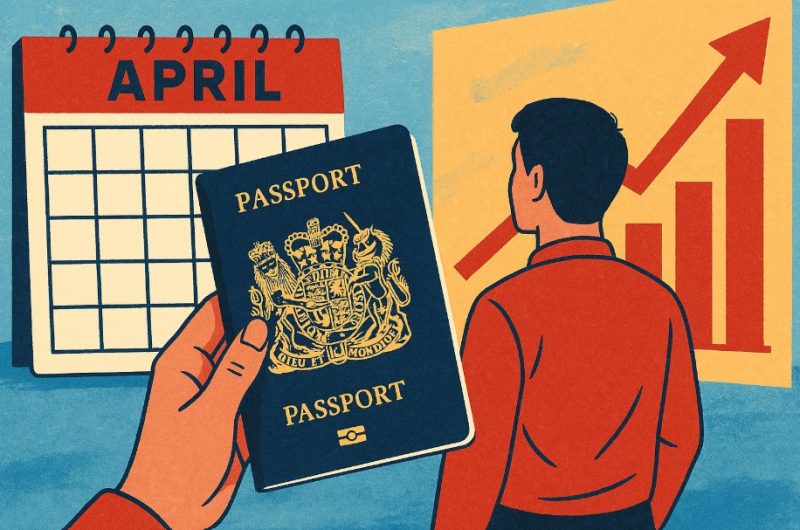
If you’ve been putting off renewing your passport, now might be the moment to reconsider. A growing buzz around an upcoming change has UK passport holders urged to renew passports before April 10 fee increase, but why the sudden urgency?
With whispers of rising costs and potential delays just ahead of peak travel season, many are feeling the pressure to act fast.
Is this just another routine update, or something that could affect your next holiday, or your wallet?
In this post, we uncover what’s prompting this last-minute scramble and why timing might be everything when it comes to your passport.
Why Are UK Passport Holders Urged to Renew Passports Before April 10 Fee Increase?
The Home Office has officially confirmed a rise in UK passport fees, sparking a flurry of urgency among British travellers.
Starting from 10 April 2025, fees for both adult and child passport renewals will increase, impacting those applying within the UK and overseas.
This announcement comes at a time when many families are planning their spring or summer getaways, and a delay could lead to higher costs and longer processing times.
Authorities are encouraging citizens to apply early, especially if their passports are nearing expiration or if they’re planning holidays in the near future.
The push to renew now is particularly vital for those travelling to the European Union, where stricter entry rules around passport validity apply.
EU countries require your UK passport to be no more than 10 years old from the issue date and valid for at least three more months from your return date.
With travel back in full swing and an increasing demand for passport services, those who wait until after the deadline may face unnecessary delays and added expenses. Renewing now is the most cost-effective and stress-free option available.
What Are the New UK Passport Fees from April 10, 2025?

From 10 April 2025, all UK passport application fees will increase across various services. These changes apply to both online and postal applications and are relevant for renewals, replacements, and new issues.
The Home Office states that the new fees are essential to fund passport processing and consular support without burdening taxpayers.
New UK Passport Fees
- Standard online adult passport renewal (within UK): £94.50 (up from £88.50)
- Standard online child passport renewal (within UK): £61.50 (up from £57.50)
- Postal adult application (within UK): £107 (up from £100)
- Postal child application (within UK): £74 (up from £69)
- Premium 1-day service (adult): £222 (up from £207.50)
- Overseas online adult application: £108 (up from £101)
- Overseas online child application: £70 (up from £65.50)
These increases may seem modest individually but can add up quickly for families or frequent travellers renewing multiple documents.
Who Should Renew Their Passport Now to Avoid the Price Hike?
With the upcoming price increase, many UK residents will benefit from renewing early. This isn’t just for those with expiring passports, several categories of travellers should consider acting before the deadline.
You Should Renew Now If
- Your passport expires in the next 12 months or sooner than expected.
- You’re planning a summer or autumn holiday abroad this year.
- You have children whose passports are due for renewal soon.
- You travel frequently for work or family-related commitments overseas.
- You want to avoid increased processing times during peak travel periods globally.
Why It Matters?
- Cost savings: Renewing before 10 April saves you up to £13 per passport application fee.
- Travel peace of mind: Many countries, especially in the EU, require at least 3 months of valid passport time.
- Avoid delays: Anticipated rush after the fee change could significantly slow down processing timelines nationwide.
Taking action now ensures you’re ready for upcoming travel plans without the added cost and stress of a late application.
How to Renew Your UK Passport?

Renewing your UK passport is now simpler than ever, especially with the Home Office encouraging online applications for faster turnaround. Here’s how you can complete the process:
Online Renewal (Recommended)
- Visit the official gov.uk passport renewal portal for secure application submission.
- Create or log in to your account using verified personal identification details.
- Upload a digital passport photo that meets all government photo requirements.
- Pay the renewal fee (£88.50 before 10 April, £94.50 after) using a valid payment method.
- Receive updates via email or text for real-time application status tracking.
Postal Renewal
- Collect a paper application form from a local post office branch nearby.
- Attach a printed passport photo and complete the form without any errors.
- Send the application and payment by post with tracked or recorded delivery option.
- Expect slower processing compared to online submissions due to manual handling times.
Helpful Tips
- Use a recent and high-quality photo
- Double-check personal details before submitting
- Apply at least 10 weeks before travel if using the standard service
- Keep tracking details from the application confirmation
Whether online or by post, applying early helps you beat the fee rise and gives peace of mind ahead of travel.
How Long Does It Take to Get a Renewed UK Passport?
The time it takes to receive a renewed UK passport depends on how you apply and when you do it.
According to recent government data, 99.7% of standard applications in 2024 were processed within three weeks when no additional information was required. This is encouraging news for those applying early.
However, during peak periods such as school holidays, Easter, and the lead-up to summer, processing times can increase due to high demand.
Online applications tend to be quicker than postal submissions. For urgent travel needs, the Home Office also offers a 1-day Premium Service, though this comes at a significantly higher fee.
To ensure you receive your passport on time:
- Apply well before planned travel dates
- Use the online application for speed and efficiency
- Consider fast-track options only in urgent situations
Delays can easily disrupt travel plans or result in costly rebookings. Planning ahead is key to staying stress-free.
What Are the Risks of Delaying Your Passport Renewal?
Delaying your passport renewal might seem harmless, but it could lead to several avoidable issues, financially and logistically. As the 10 April deadline approaches, here’s why you shouldn’t wait.
Key Risks of Delaying
- Higher fees: Pay up to £13 more per passport after the price rise kicks in nationwide.
- Longer processing times: Increased volume of late applications could lead to frustrating travel document delays.
- Missed travel opportunities: Outdated passports may prevent you from boarding international flights or cruises.
- Invalid travel documents: EU countries reject passports older than 10 years, regardless of stated expiry date details.
You Might Also Face
- Stress and anxiety during last-minute planning
- Additional costs for premium or fast-track services
- Delays in group or family travel arrangements
Renewing now protects your plans, saves money, and helps you avoid administrative stress in the weeks ahead.
How Does the Passport Fee Increase Affect Families and Frequent Travellers?

Families and frequent travellers are among the most impacted by the passport fee hike. When renewing multiple passports, especially for a family of four or more, the extra cost quickly adds up.
For instance, renewing two adult and two child passports after 10 April could cost £337, compared to £313 before the change, a difference of £24.
For frequent flyers, especially business travellers, maintaining an up-to-date passport is crucial. Delaying can interfere with work trips or lead to last-minute expenses for faster processing.
Since many business and leisure travellers operate on tight schedules, even minor disruptions can affect broader plans.
This price change also disproportionately affects families travelling during school holidays, who often need to plan far in advance.
Renewing early helps them budget more effectively and avoid unexpected costs during peak seasons.
Why Is the UK Government Increasing Passport Fees?
The UK government, through the Home Office, has outlined several reasons behind the upcoming fee increase.
According to official statements, the new pricing structure is designed to ensure that the passport system is funded by its users, rather than relying on taxpayers.
Reasons for the Increase
- Covering the cost of processing applications
- Funding consular support for lost or stolen passports abroad
- Enhancing border control and security checks
- Upgrading digital systems for faster application handling
Additional Considerations
- The government makes no profit from passport fees
- This move aligns with similar pricing adjustments in other public services
- Overseas application fees are also adjusted to match delivery costs and handling times
While the rise may be frustrating to many, it supports the infrastructure needed for efficient passport processing and border management, both crucial for national security and travel convenience.
Conclusion
With the 10 April 2025 deadline fast approaching, renewing your UK passport now could save you both time and money.
The Home Office’s fee increase may seem modest at a glance, but when multiplied across families or frequent travellers, the cost can become significant.
By acting early, you not only avoid paying more but also sidestep the administrative backlog expected as more people rush to apply before the price change.
For smooth travel, especially to destinations like the EU, your passport must meet specific validity rules that go beyond the expiry date.
Taking care of your renewal now is a practical, stress-free decision, one that ensures your documents are ready when you need them most.
Frequently Asked Questions (FAQs)
Can I renew my UK passport early, even if it’s still valid?
Yes, you can renew your passport at any time, even if it still has months left. It’s often recommended if you’re planning to travel soon.
Are the new fees applicable to first-time applicants as well?
Yes, the new pricing from April 10 applies to all passport applications, including first-time issues.
What payment methods are accepted for passport applications?
You can pay by debit or credit card for online applications, while postal applications may also allow postal orders.
Will I be notified when my passport is about to expire?
No automatic notifications are sent, so it’s your responsibility to check the expiry date and renew on time.
Can I travel if my passport is set to expire soon?
It depends on the destination. Some countries require six months’ validity from the date of arrival.
Is there any refund if I cancel my passport renewal after April 10?
Refunds are limited and may not include the full fee, depending on the stage of application processing.
Are there different fees for UK passport holders living overseas?
Yes, fees are slightly higher for those applying from abroad to cover additional handling and delivery costs.